



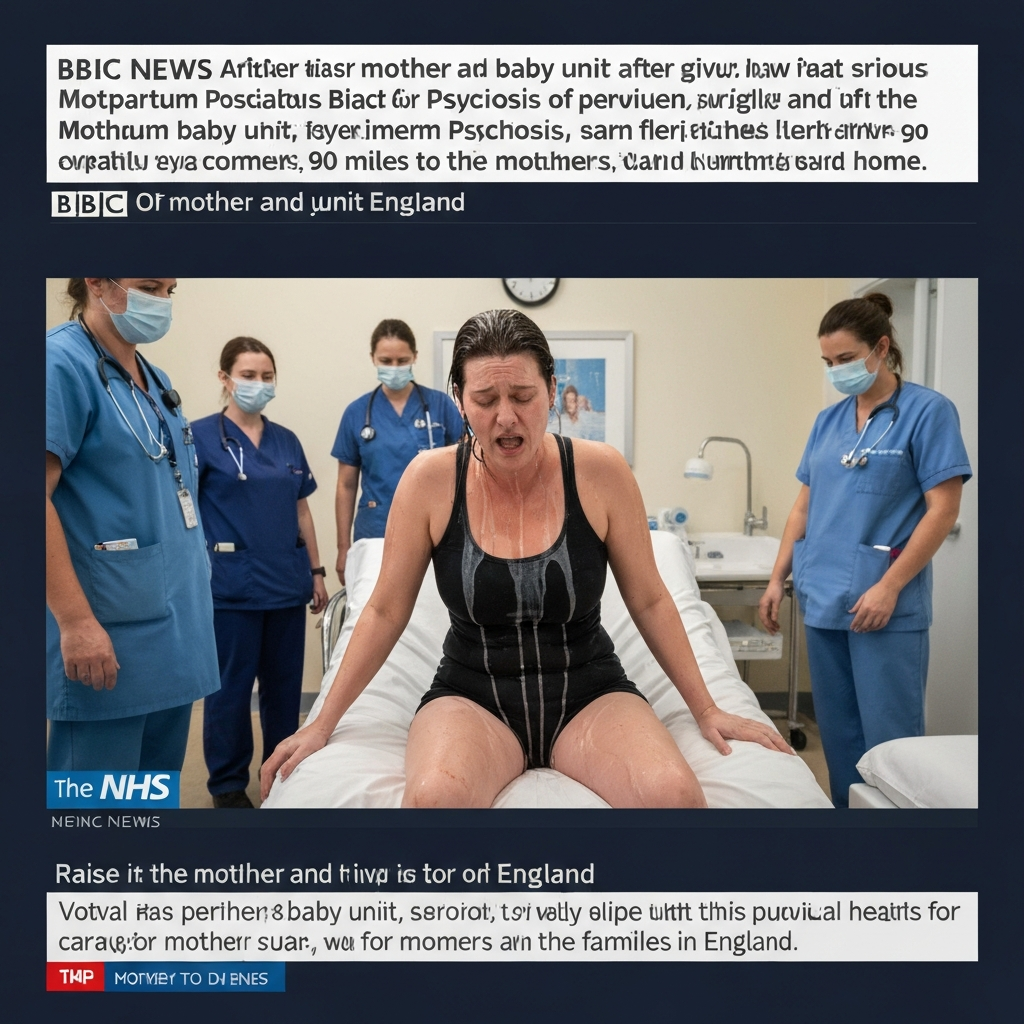
A new BBC report highlights serious pressures in specialist maternal mental health care after a woman experiencing postpartum psychosis was transferred 90 miles from home just days after giving birth because no closer bed was available.
Health
The story centers on Lizzy Berryman, who was taken from York to Derby for specialist treatment four days after childbirth. According to BBC News, her case has renewed attention on the availability of mother and baby units, crisis response times, and the wider state of perinatal mental health services in England.
Postpartum psychosis is a severe but treatable mental health emergency that can develop rapidly after birth. The NHS notes that symptoms can include confusion, delusions, mania, severe depression, and a loss of touch with reality, often requiring urgent specialist care. More information is available from the NHS overview of postpartum psychosis and from the maternal mental health charity Action on Postpartum Psychosis.
Why this story matters now
The latest reporting fits into a broader healthcare debate: whether specialist mental health and maternity services are keeping pace with demand. In recent years, UK health officials have emphasized earlier intervention in perinatal care, but access remains uneven depending on geography and bed capacity. Cases involving long-distance transfers are especially controversial because they can separate mothers from local support networks at an already traumatic time.
The issue is not only about beds, but also about staffing, community follow-up, ambulance coordination, and continuity of maternity care. NHS England has previously outlined ambitions to expand and improve specialist perinatal mental health services, including community support and inpatient care. Background on service development can be found through NHS England’s perinatal mental health programme.
The wider picture in health news
The Berryman case lands amid continued scrutiny of women’s health services, mental healthcare access, and inequalities in treatment pathways. Across the UK and elsewhere, health coverage in recent months has increasingly focused on three linked questions: whether systems are identifying high-risk patients quickly enough, whether specialist capacity exists when a crisis arrives, and whether families are given adequate support after discharge.
Research bodies and advocacy groups have repeatedly argued that maternal mental health should be treated as a core part of maternity care rather than as a separate add-on. The World Health Organization has also stressed that maternal health includes mental health before and after birth, not just physical outcomes.
Analysis
What makes this story particularly striking is the combination of urgency and distance. A 90-mile transfer may solve an immediate bed shortage, but it can also deepen distress for a new mother and complicate family contact. In specialist mental health cases, proximity matters: recovery often depends not just on clinical intervention but on stable support from partners, relatives, and community professionals.
The case therefore raises a practical policy question. If national systems say perinatal mental health is a priority, should local access standards be strengthened so mothers are not routinely sent far from home during acute psychiatric emergencies? That debate is likely to intensify as health services face ongoing workforce and funding constraints.
For readers, the key takeaway is that postpartum psychosis remains rare but extremely serious, and immediate treatment can be lifesaving. The public health lesson is equally clear: improving outcomes is not just about awareness, but about ensuring specialist care is available where and when it is needed.
Sources: BBC News; NHS; NHS England; Action on Postpartum Psychosis; World Health Organization.