
Category selected: Pop Culture
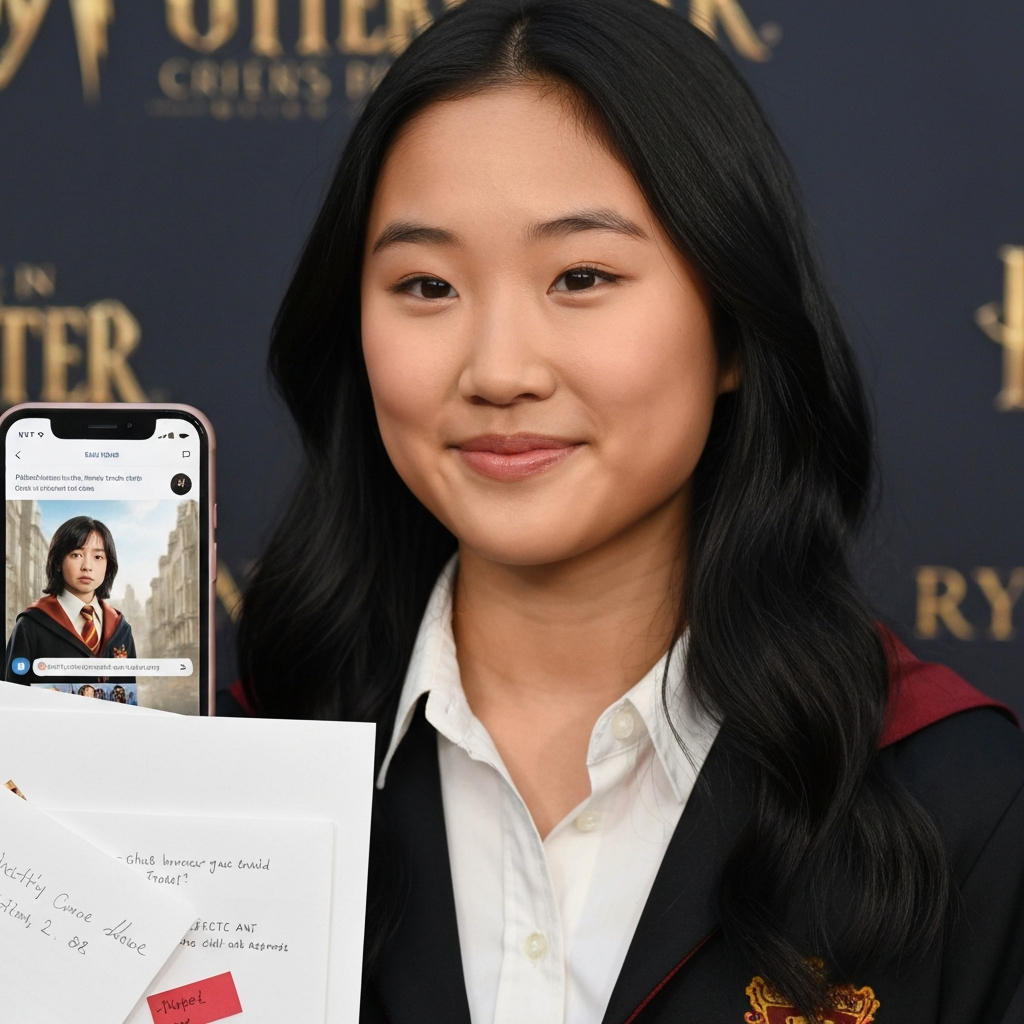
Katie Leung’s recent comments about not wanting to revisit her Harry Potter years fit squarely within the Pop Culture category. The story centers on a well-known actress, a major film franchise, fandom, celebrity treatment, and the lasting effects of internet-era fame.
Katie Leung’s Comments Highlight a Bigger Pop Culture Conversation
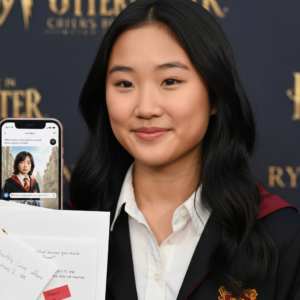
Actor Katie Leung, who played Cho Chang in five Harry Potter films, said she “would not want to go back” to that chapter of her life, describing how young age, insecurity, and public scrutiny shaped her experience. The remarks, reported by Entertainment Weekly, add to a broader entertainment-industry discussion about what fame does to young performers long after the cameras stop rolling.
Leung’s reflections arrive at a moment when Hollywood and TV audiences are again reassessing the cost of franchise stardom, especially for actors who entered global fame as teenagers. Her comments also resonate because they come as HBO develops a new Harry Potter television adaptation, renewing public attention on the legacy of the original films and the pressures placed on the cast from an early age.
The Latest Pop Culture News: Child Stardom, Franchise Fame, and Online Abuse
The latest news around Leung is not just a celebrity retrospective. It intersects with one of the most persistent themes in entertainment reporting: how young actors are protected, branded, and scrutinized in the age of social media and permanent fandom discourse.
In Leung’s case, she has spoken publicly about facing racist abuse online after being cast in the franchise. That experience mirrors wider reporting across entertainment media about the treatment of women and performers of color inside massive fan ecosystems. Recent coverage from The Guardian and People shows Leung reframing those years through the lens of adulthood, identity, and professional growth.
Her perspective also lands during a period of renewed focus on set protections and mental health support for younger performers. In recent years, industry groups including SAG-AFTRA have emphasized workplace standards, consent practices, and performer protections, while studios have become more publicly attentive to issues once treated as private consequences of fame. Background on union protections and performer advocacy can be found through SAG-AFTRA.
Why This Story Matters Now
Leung’s remarks matter because they reflect how pop culture is changing its own memory. For years, success in a franchise like Harry Potter was presented almost entirely as a dream scenario. Now, coverage is more willing to ask what that success cost the people inside it.
That shift can be seen across entertainment journalism. Outlets increasingly examine not just box office results or casting announcements, but the emotional and cultural aftereffects of fame: online harassment, racialized backlash, parasocial fandom, and the challenge of maturing in public. Leung’s comments are especially significant because they are neither scandal-driven nor nostalgic. Instead, they offer a more mature, less romanticized account of blockbuster-era celebrity.
There is also a timely contrast in her comments about working on Netflix’s Bridgerton, where she suggested she now approaches acting with a healthier sense of self. That comparison underscores a larger cultural point: experience, agency, and workplace environment can dramatically reshape how performers navigate visibility.
The Broader Industry Backdrop
Hollywood has spent the last several years confronting how digital culture intensified old problems. Before social media, young stars faced tabloids and paparazzi. Today, they also face algorithmically amplified criticism, direct harassment, and fandom reactions that can be immediate and relentless. Research and public guidance from organizations like the American Psychological Association have highlighted how online environments can affect self-image, especially for younger people already under pressure.
In that sense, Leung’s story is not only about one actor revisiting one franchise. It is about the evolution of celebrity itself. Major entertainment brands still offer career-making exposure, but audiences and journalists are increasingly aware that exposure is not the same as support.
What Comes Next
As HBO’s planned Harry Potter reboot moves forward, Leung’s advice to whoever next plays Cho Chang — essentially, to hold onto their sense of self and avoid being overwhelmed by outside noise — may become one of the most relevant lessons attached to the franchise’s next era. It is both personal advice and an implicit critique of the systems that failed many young actors in the first place.
For pop culture observers, this is why the story has staying power. It is not merely about whether an actor misses a famous role. It is about how the entertainment industry, fandom culture, and audiences are learning to revisit beloved properties with sharper awareness of what happened behind the scenes.
Sources
- Entertainment Weekly: Katie Leung says she would not want to go back to her Harry Potter days
- The Guardian: Katie Leung on sudden fame, insecurity, and Bridgerton
- People: Katie Leung shares advice for the next Cho Chang actress
- SAG-AFTRA
- American Psychological Association: Social media and internet topics