



Category: Pop Culture
Entertainment Weekly’s report about John Lithgow honoring Stephen Colbert is best categorized as Pop Culture. The story centers on a major late-night television host, a celebrity guest appearance, and the broader entertainment-industry conversation surrounding the end of The Late Show with Stephen Colbert.
John Lithgow salutes Stephen Colbert as late-night TV faces another turning point
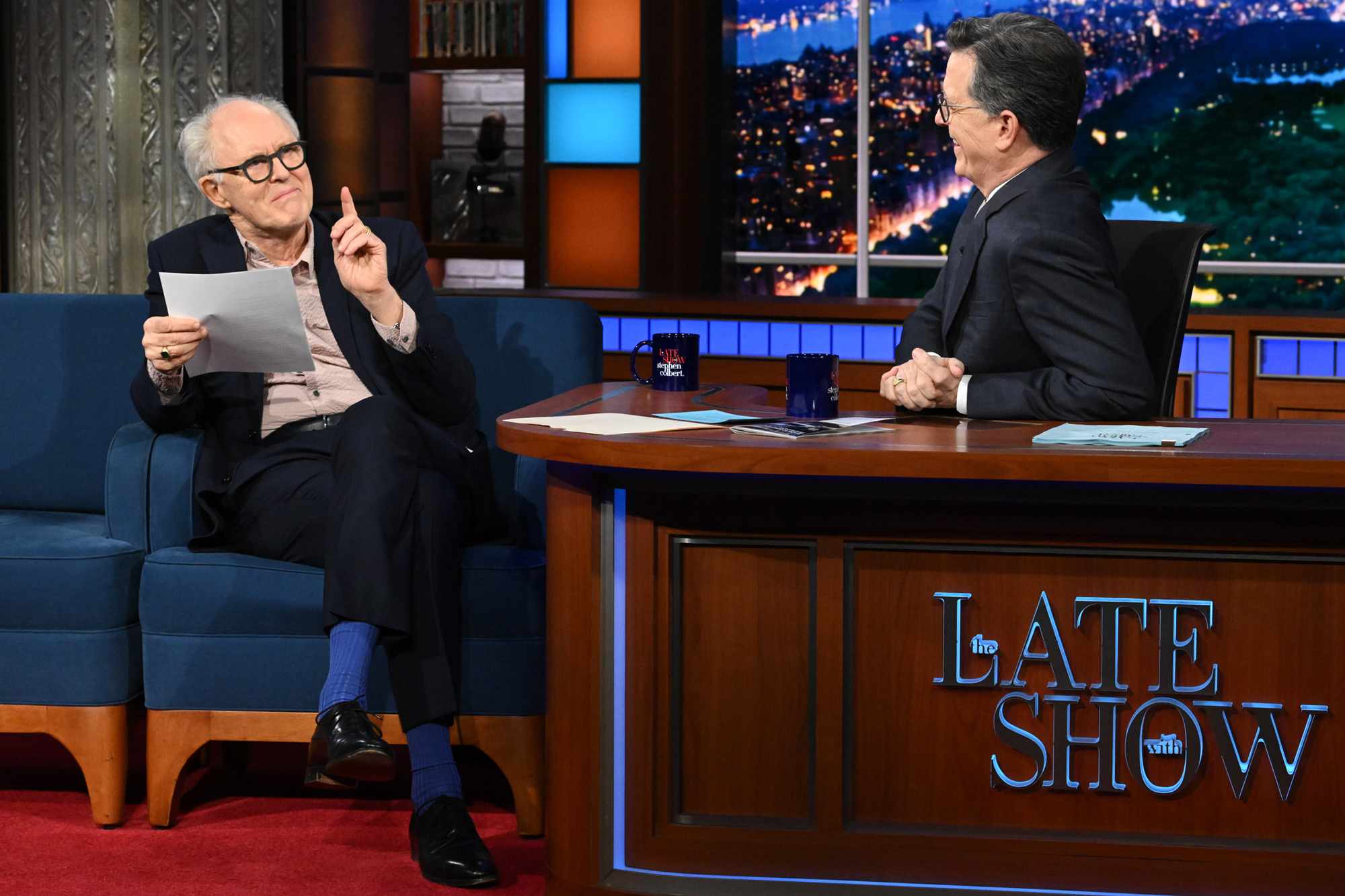
Actor John Lithgow used a recent appearance on The Late Show with Stephen Colbert to pay tribute to Colbert, calling him a “beloved national treasure” as CBS prepares to wind down the long-running franchise in May 2026, according to Entertainment Weekly. Lithgow delivered the praise in verse, framing Colbert’s departure as both a cultural loss for viewers and a sign of the continued upheaval in late-night television.
The segment arrives at a moment when the late-night format is under pressure from shrinking linear TV audiences, shifting advertising economics, and changing viewer habits driven by streaming and social-video platforms. CBS previously said the decision to end the show was financial rather than editorial, a point that has remained central to coverage of the cancellation.
The bigger story: late-night television is being remade
Colbert’s exit is not an isolated event. Across the industry, broadcasters and media companies are reassessing the cost of traditional nightly talk shows as younger audiences consume clips on YouTube, TikTok, Instagram, and network-owned streaming platforms instead of watching full episodes live. That broader trend has been documented by major industry outlets including The Hollywood Reporter, Variety, and Deadline, all of which have closely tracked late-night cutbacks, format changes, and network restructuring.
In recent years, media companies have placed greater emphasis on franchises that travel well across digital platforms and can generate revenue beyond traditional ad-supported broadcasts. That has made high-overhead studio productions more vulnerable, even when they remain culturally influential. Colbert’s show has often been a centerpiece of political satire and celebrity conversation, but prestige and relevance do not always shield a program from broader balance-sheet pressures.
Why Lithgow’s tribute resonated
Lithgow’s appearance stood out because it tapped into a wider sentiment in entertainment: that Colbert represents a style of smart, personality-driven late-night hosting that has become increasingly rare. His monologue-driven format, interview style, and political commentary helped define the post-2015 era of network late night. For longtime viewers, the end of the franchise also carries historical weight. The Late Show brand dates back to David Letterman’s debut on CBS in 1993, making its retirement the end of a major chapter in modern TV history.
The tribute also landed in a politically charged media environment. Coverage from Entertainment Weekly notes that public reactions to the show’s ending have included commentary from political figures, underscoring how late-night TV has evolved from celebrity entertainment into a visible part of the national conversation. That crossover between entertainment and politics is one reason Colbert’s departure has drawn outsized attention compared with an ordinary programming change.
Latest pop culture context: legacy TV brands are under pressure
More broadly, one of the biggest current stories in pop culture is the continued transformation of legacy entertainment brands as studios and networks confront a digital-first audience. Companies across film, television, and streaming are focusing on cost discipline, franchise value, and multiplatform distribution. Recent reporting from The Wall Street Journal, The New York Times, and CNBC has highlighted how media executives are rethinking programming strategies amid uneven advertising markets and intense competition for attention.
That context helps explain why Colbert’s departure matters beyond one host or one show. It reflects a broader recalibration in entertainment, where even iconic formats must prove they can survive in a media ecosystem dominated by on-demand viewing, algorithmic discovery, and clip-based engagement.
What comes next
For viewers, the end of The Late Show with Stephen Colbert will likely feel like the close of an era. For the industry, it may serve as another case study in how quickly legacy television institutions can be reshaped by economics and technology. Lithgow’s tribute captured the emotional side of that shift, while the business backdrop explains why it is happening.
If there is a takeaway, it is that pop culture now moves on two tracks at once: the emotional attachment audiences feel toward familiar personalities and the unforgiving financial realities facing the companies that put them on screen. Colbert’s farewell sits directly at that intersection.