

Category selected: Pop Culture
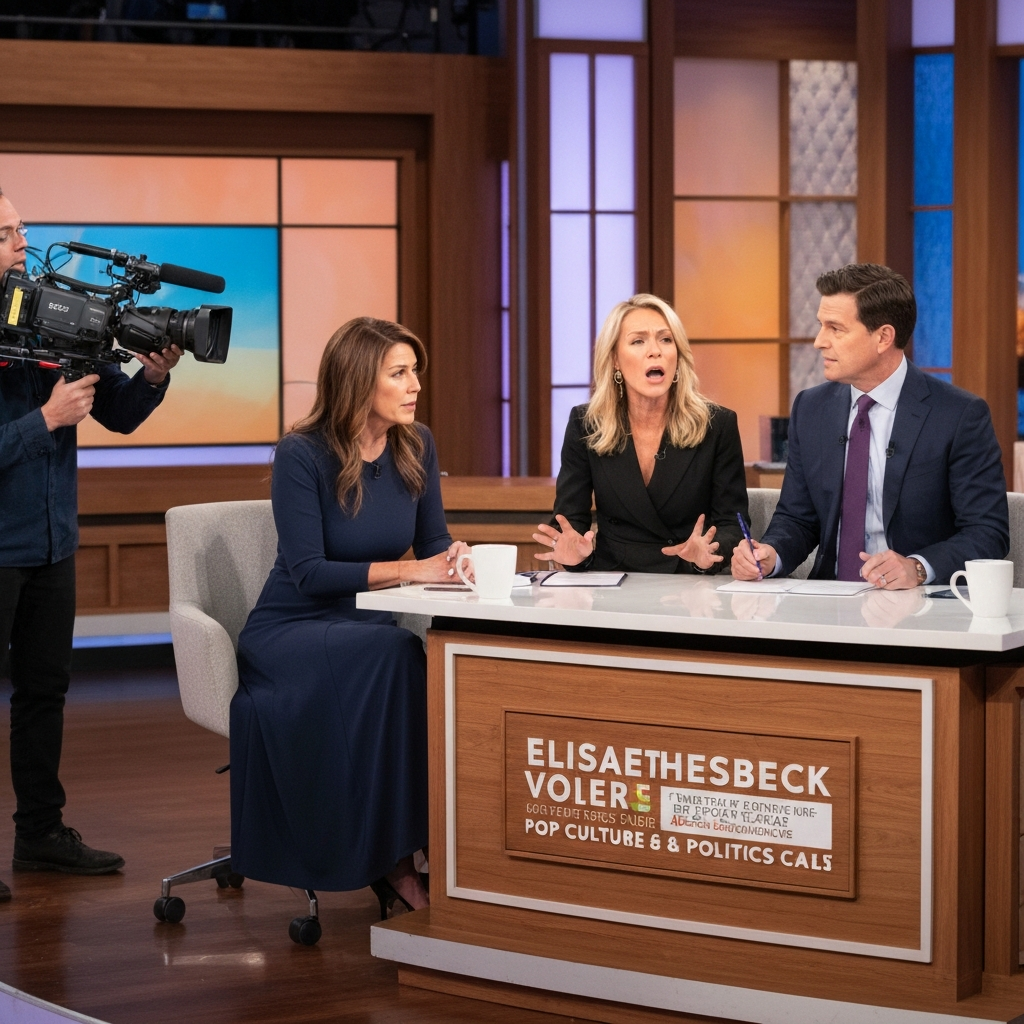
Elisabeth Hasselbeck’s return to The View is a reminder that daytime television still knows how to generate a national conversation. During her guest-host stint, Hasselbeck clashed on air with Sunny Hostin over her support for Donald Trump, then later said on the show’s companion podcast that the exchange felt energizing rather than hostile. In her words, the debate was “fun,” a sign that the long-running ABC talk show continues to thrive on ideological tension, personality-driven television, and viral cultural moments.
At its core, this is a Pop Culture story, not simply a political one. The headline centers on a famous TV personality returning to one of America’s most recognizable talk shows, reviving the kind of unscripted conflict that has long defined The View as a cultural institution. The politics matter, but mainly because they amplify the celebrity dynamics, audience reaction, and media afterlife that drive entertainment coverage.
Why the moment resonated
Hasselbeck told producer Brian Teta on Behind the Table that she enjoyed debating Hostin because both women came prepared and argued from conviction. That framing matters. In today’s media environment, TV conflict is rarely just about disagreement; it is also about performance, authenticity, and replay value. A sharp exchange on a daytime panel can quickly become a social clip, headline package, podcast topic, and newsletter item within hours.
That helps explain why the segment spread so quickly beyond the show’s core audience. The View has spent years occupying a unique place between entertainment and civic discourse, where celebrity interviews, political arguments, and generational culture wars all coexist in one format. Hasselbeck’s appearance tapped directly into that formula.
The larger trend in TV talk culture
The latest episode also fits a broader entertainment trend: legacy talk shows are leaning harder into confrontation, personality, and event-style booking to stay relevant in a fragmented attention economy. Traditional ratings still matter, but digital circulation matters too. Shows increasingly produce moments designed to travel far beyond live broadcast, whether through YouTube clips, social platforms, newsletters, or podcasts.
That strategy has been visible across the daytime and late-night landscape. Networks and producers now treat memorable exchanges as multiplatform assets. A strong on-air disagreement is no longer just television; it becomes a content engine.
Recent entertainment developments shaping the conversation
The entertainment industry surrounding moments like this is evolving quickly. Disney, ABC’s parent company, has continued emphasizing streaming distribution and cross-platform audience engagement in its broader direct-to-consumer strategy, reinforcing the value of recognizable TV brands that can generate repeat conversation across formats. The company’s recent investor materials have repeatedly highlighted the importance of marquee content and franchise-style audience loyalty in an increasingly competitive media market. Disney corporate updates.
Meanwhile, the television business is still adjusting to post-strike realities after the 2023 labor disputes involving writers and actors reshaped production pipelines and sharpened industry focus on compensation, residuals, and the value of talent-driven programming. Those shifts elevated the importance of established personalities and proven formats that can reliably attract attention. SAG-AFTRA; Writers Guild of America.
In that context, Hasselbeck’s return is more than nostalgia. It shows how television brands mine familiar faces and ideological contrast to create renewed urgency around legacy programming. For producers, that is efficient. For audiences, it is recognizable. For entertainment media, it is instantly headline-ready.
What this says about pop culture in 2026
One reason this story lands so strongly is that modern pop culture increasingly rewards emotional clarity. Viewers may disagree with Hasselbeck or Hostin, but they understand the format immediately: two public figures with defined worldviews, one live table, one combustible subject, and a built-in fan ecosystem ready to react. That simplicity is powerful in an era when attention is scarce.
It also reflects the blurred line between celebrity coverage and political discourse. A disagreement about Trump on The View is both a political exchange and an entertainment product. The clips are consumed not only for information, but for tone, chemistry, conflict, and symbolic allegiance. In other words, the argument is part of the show, and the show is part of the argument.
The takeaway
Hasselbeck’s latest The View clash matters because it captures the current state of televised pop culture: personality-first, conflict-driven, politically adjacent, and built for circulation. Whether viewers saw it as refreshing candor or calculated television, it accomplished what modern talk programming increasingly needs to do: create a moment people feel compelled to watch, share, and debate.
Sources: Entertainment Weekly; The Walt Disney Company; SAG-AFTRA; Writers Guild of America.