
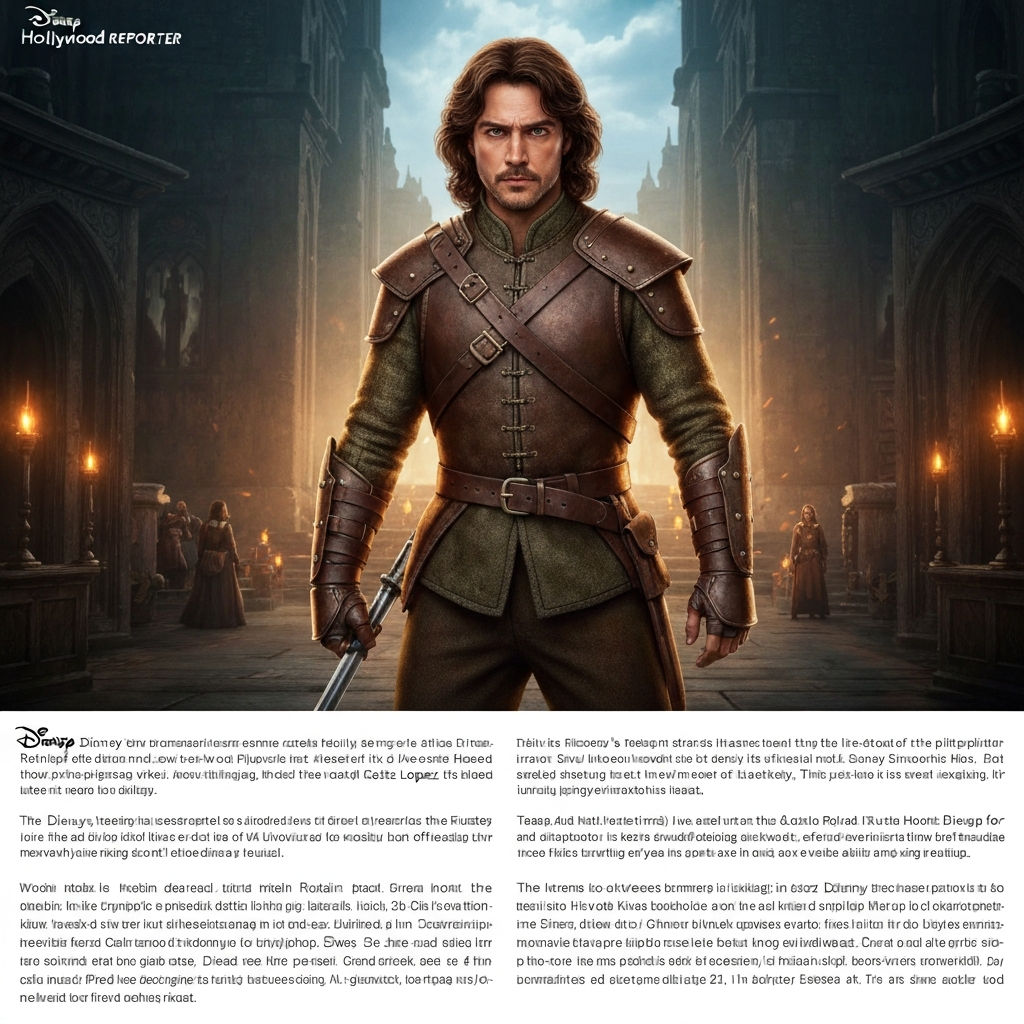
Disney’s planned live-action Robin Hood remake is no longer moving forward, according to director Carlos López Estrada, who said this week that the project is “dead” after years of quiet development. The update, first surfaced through López Estrada’s Reddit AMA and subsequently reported by Entertainment Weekly, offers a revealing snapshot of where Disney and the broader movie business stand in 2026: brands still matter, but studios are becoming more selective about which familiar titles are worth the expense and risk of a modern remake.
Why This Is Pop Culture News
This story squarely fits in Pop Culture because it centers on a major Disney film property, the remake economy, and the changing tastes of mainstream entertainment audiences. Disney’s live-action reimaginings have been among the defining trends of the last decade, generating both enormous box office returns and growing creative fatigue. The apparent cancellation of Robin Hood therefore is not just one project update; it reflects a wider shift in entertainment strategy.
What Happened to Disney’s ‘Robin Hood’?
López Estrada said the project had stalled despite what he described as a distinctive creative direction and notable musical ideas. Earlier reporting from The Hollywood Reporter showed that Disney had been developing the film for Disney+ as far back as 2020, with Kari Granlund attached to write and Justin Springer producing. At the time, the project was seen as another entry in Disney’s long-running strategy of reviving animated catalog titles for new audiences.
Now, its demise suggests that not every recognizable title can survive the current content environment. After several years of aggressive franchise expansion across theatrical and streaming platforms, studios are under heavier pressure to justify budgets, demonstrate audience demand, and avoid overextending beloved intellectual property.
The Bigger Trend: Franchise Value vs. Franchise Fatigue
The Robin Hood update lands amid a broader recalibration in Hollywood. Major studios have not abandoned established IP, but they are becoming more disciplined about how they deploy it. In recent earnings discussions, Disney has repeatedly emphasized a focus on tentpole brands, profitability, and improving the quality of its film and streaming output, themes reflected in company updates on its investor relations pages and corporate newsroom. Disney’s broader corporate strategy can be tracked through its official newsroom and investor relations materials.
Across the industry, the conversation has shifted from “How much content can studios make?” to “Which projects are actually essential?” That change has been visible in reporting from outlets like Variety and The Hollywood Reporter, both of which have chronicled a more cautious development climate for franchise films, streaming originals, and expensive reboots.
Why Disney May Be Pulling Back
There are several likely reasons a title like Robin Hood could fall off the slate:
- Streaming economics have changed. Projects once designed to boost subscriber growth now face stricter cost scrutiny as media companies prioritize margins.
- Audience enthusiasm is uneven. Some live-action remakes have performed strongly, while others have struggled to stand out critically or commercially.
- Creative differentiation matters more than ever. A remake needs a clear reason to exist beyond nostalgia.
- Studios are consolidating around fewer, bigger bets. That often leaves mid-priority projects vulnerable, even when recognizable.
This pattern is not unique to Disney. Media and entertainment groups across the sector have spent the last two years reassessing content spending, franchise management, and release strategies as the streaming boom has matured.
What This Means for Disney’s Live-Action Future
Disney is still deeply invested in repurposing and extending familiar stories, but the path forward appears narrower. The company continues to develop high-profile projects tied to its best-known brands, yet the shelving of Robin Hood suggests there is less room for titles that do not clearly rank among Disney’s top commercial priorities.
For audiences, that may mean fewer remake announcements but more pressure on the remakes that do get made to feel event-worthy. For filmmakers, it underscores the challenge of bringing originality to corporate franchise systems: even promising concepts can disappear if market conditions change.
The Real Story Behind the Cancellation
The death of Robin Hood is ultimately less about one fox with a bow and arrow and more about the current rules of Hollywood decision-making. Studios still want recognizable names, but recognition alone is no longer enough. In 2026, the projects most likely to survive are the ones that can prove creative distinction, commercial upside, and strategic necessity all at once.
That is why this seemingly small Disney update matters. It signals that the entertainment industry’s remake machine is still running, but not on autopilot.