



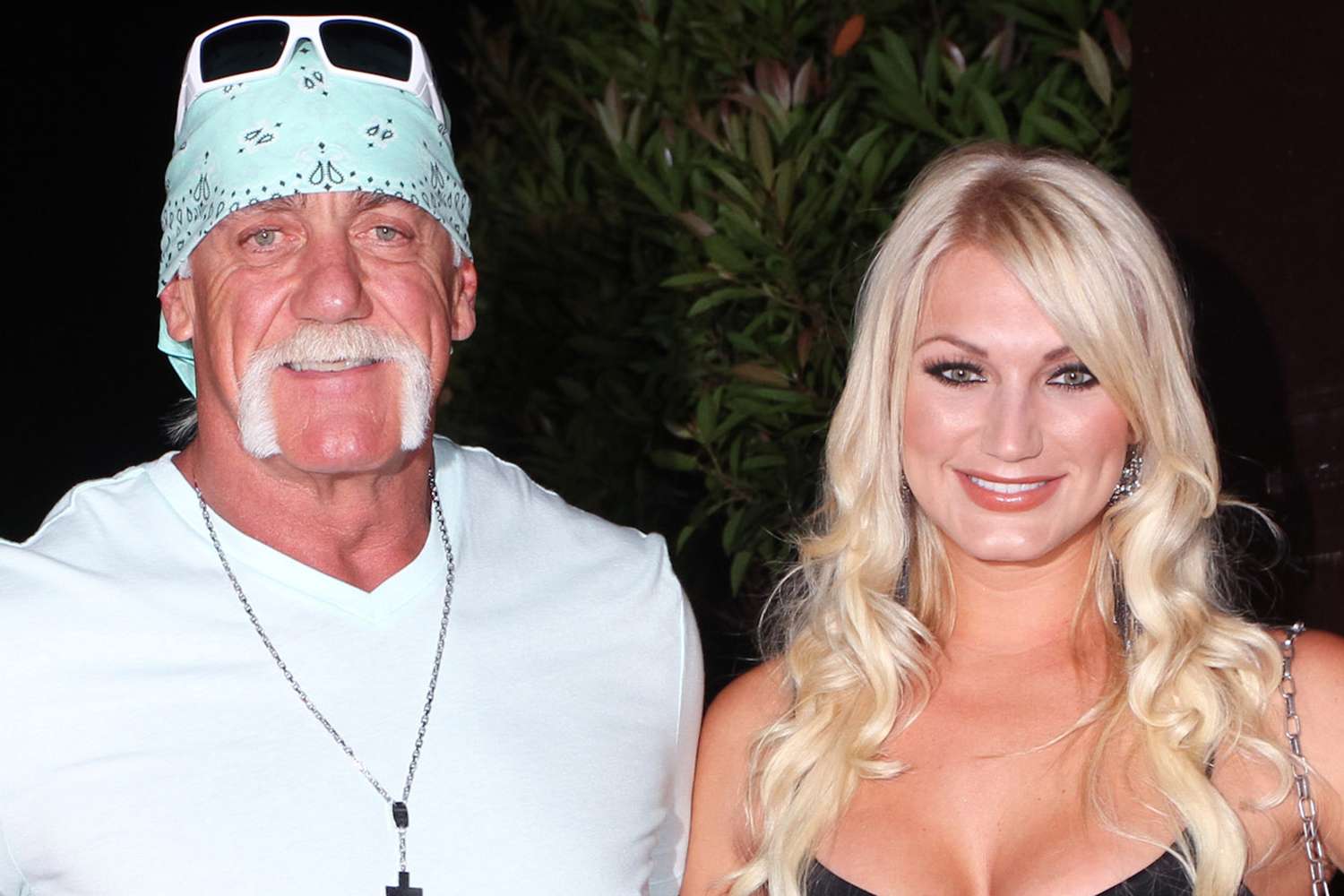
Brooke Hogan’s newly teased song about her late father Hulk Hogan is best categorized as Pop Culture. The story centers on a celebrity family relationship, a public mourning process, and the legacy of one of the most recognizable figures in entertainment and wrestling. While Hulk Hogan’s fame was rooted in sports entertainment, the reporting here is driven by celebrity news, music, family dynamics, and media reaction rather than athletic competition.
Why This Story Belongs in Pop Culture
The article focuses on Brooke Hogan’s tribute song, her estrangement from her father, and the public response to Hulk Hogan’s death. Those are classic entertainment-news themes: celebrity legacy, family revelations, music tied to personal grief, and audience fascination with public figures beyond their original careers. Entertainment Weekly’s framing also places the story in celebrity and entertainment coverage rather than straight sports reporting.
Hulk Hogan was a wrestling icon, but in this case the news value comes from his broader status as a cultural figure who crossed from wrestling into reality TV, film, and celebrity media. Brooke Hogan’s song announcement, the discussion of funeral decisions, and coverage from outlets like Entertainment Weekly and Entertainment Tonight all reinforce that this is a pop-culture narrative.
Latest Pop Culture Context: Celebrity Legacies, Streaming Power, and Franchise Dominance
More broadly, current pop culture coverage continues to be shaped by three major forces: the enduring influence of celebrity legacies, the dominance of franchise entertainment, and the competition among streaming platforms for audience attention.
One major recent trend is the way celebrity deaths and personal archives are becoming central to entertainment storytelling. Coverage of stars increasingly extends beyond obituary-style reporting into family testimony, unreleased creative work, estate decisions, and social-media-driven remembrance. That pattern is visible in Brooke Hogan’s song rollout, which turns private grief into a public cultural artifact.
At the same time, franchise entertainment remains a defining force across film and television. Studios continue to rely heavily on familiar intellectual property to drive audience engagement, a trend widely documented in industry reporting from outlets such as Variety and The Hollywood Reporter. Streaming platforms are also reshaping how pop culture moments take hold, with music clips, interviews, and celebrity statements often gaining traction first on Instagram, TikTok, YouTube, and X before being amplified by traditional media.
Another important backdrop is the continued blending of entertainment categories. Wrestling figures now routinely occupy space in film, TV, podcasting, politics, and influencer culture. Hulk Hogan was an early example of that crossover model, evolving from wrestling superstar into reality-TV personality and enduring tabloid figure. That long media afterlife helps explain why a family story tied to his death is being covered as entertainment news rather than niche wrestling coverage.
The Bigger Meaning of the Brooke Hogan Story
What makes this story resonate is not just the sadness of a daughter mourning her father. It also reflects how modern celebrity culture processes grief in public. Songs, Instagram posts, TV interviews, and digital media clips all become part of the record. Fans are no longer only reading about celebrities; they are consuming grief, memory, and family conflict in serialized real time.
Brooke Hogan’s tribute also underscores the complicated nature of legacy. Public figures often leave behind multiple versions of themselves: the icon fans remember, the media persona built over decades, and the private family member known only to relatives. Stories like this one gain traction because they expose the tension between those versions.
In that sense, the news is larger than one celebrity family. It speaks to a broader pop-culture shift in which fame is no longer defined solely by career achievements. Legacy now includes personal narrative, digital remembrance, and the emotional testimonies of surviving family members. That is why this story belongs in Pop Culture: it is ultimately about how celebrity identity continues to evolve, even after death.