


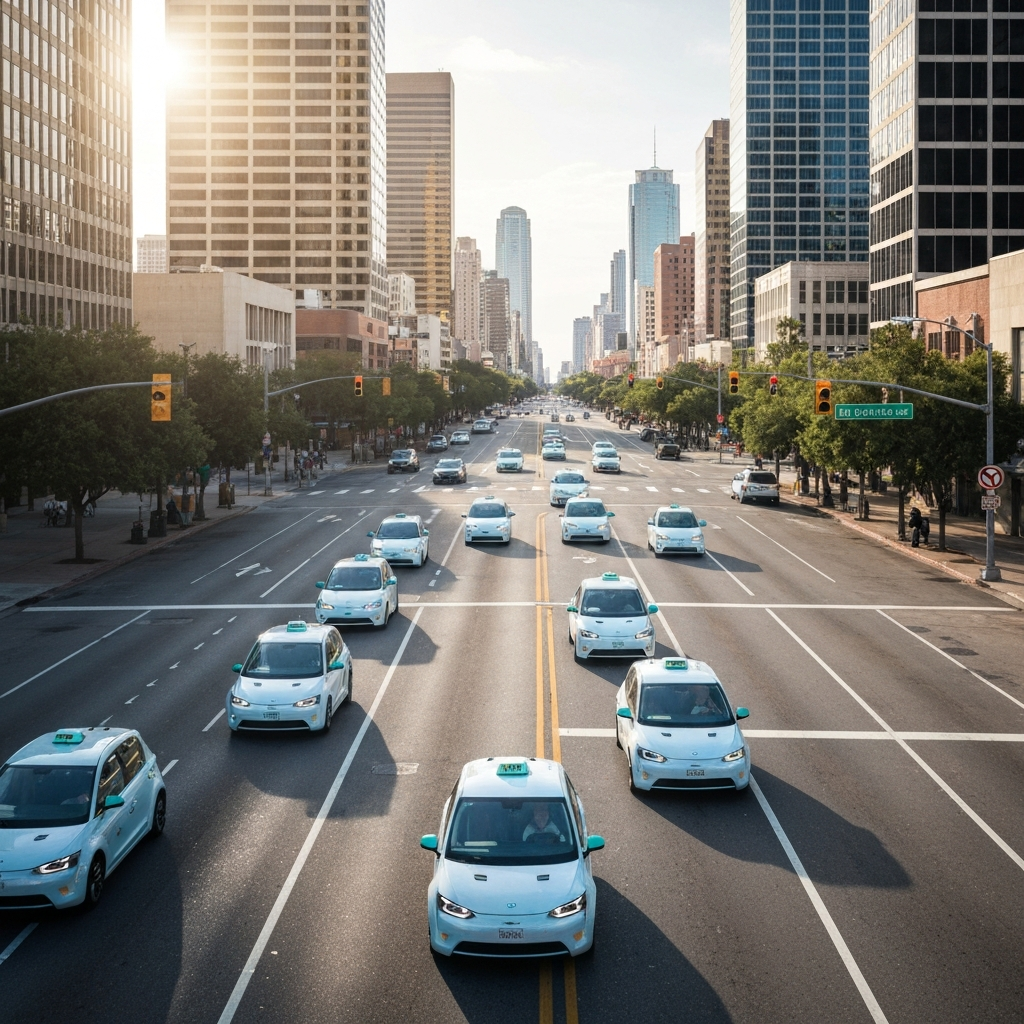
Amazon-owned Zoox has begun mapping roads in Dallas and Phoenix, a significant step toward eventually launching its robotaxi service in two more major U.S. cities. The move, first reported by TechCrunch, signals that the autonomous vehicle company is continuing to expand its geographic footprint even as it still awaits federal approval to commercially deploy its custom-built driverless vehicle.
Why Dallas and Phoenix matter
Mapping is a foundational stage for autonomous vehicle deployment. By collecting high-resolution data on roads, traffic patterns, construction zones, and local driving behavior, Zoox can train and validate its self-driving system before testing and launching passenger service. Dallas and Phoenix are especially notable additions because both metro areas are sprawling, car-centric, and increasingly important testing grounds for the future of urban mobility.
Phoenix in particular has become one of the most closely watched autonomous vehicle markets in the United States. Waymo has already established a meaningful presence in the region, making it a natural proving ground for competitors. Dallas, meanwhile, represents a strategically valuable Texas market, where rapid population growth and business-friendly policies have made the state attractive for transportation and logistics innovation.
A broader race in autonomous vehicles
Zoox’s latest expansion effort comes as the autonomous vehicle sector is regaining momentum after years of delays, regulatory scrutiny, and shifting investor expectations. Companies are now under pressure not just to demonstrate technical capability, but to show that driverless operations can be commercialized safely and at scale.
Unlike some rivals that retrofit existing vehicles with self-driving hardware, Zoox has developed a purpose-built autonomous vehicle designed specifically for robotaxi service. That distinction has made the company one of the more ambitious players in the sector, but it also means regulatory approval is especially important before wide commercial service can begin.
The federal layer remains a key hurdle. As TechCrunch noted, Zoox is still waiting for approval to commercially operate its bespoke autonomous vehicle. That regulatory process could shape not only Zoox’s rollout timeline, but also serve as a broader signal for how U.S. authorities intend to handle next-generation AV designs that do not fit neatly into traditional vehicle standards.
What the latest industry news shows
The timing of Zoox’s expansion is notable because autonomous transportation is increasingly moving from experimentation toward commercialization. In recent years, companies such as Waymo and Cruise have helped define the public debate around robotaxis, with progress often tempered by safety incidents, service pauses, and regulatory interventions. Meanwhile, major technology and automotive firms continue investing in AI, sensors, and fleet management systems that support autonomous mobility.
That broader context matters for Zoox. The company is not simply adding new cities to a map; it is positioning itself in a highly competitive market where being early is valuable, but proving reliability is essential. Expansion into Dallas and Phoenix suggests Zoox sees a path toward long-term commercial operations in multiple urban environments, not just limited pilot programs.
What comes next
For now, mapping does not mean immediate public rides. It is an early but necessary precursor to a much larger operational rollout that will require testing, validation, local engagement, and federal clearance. Still, the decision to start work in Dallas and Phoenix indicates confidence that robotaxi deployment is becoming a nearer-term possibility rather than a distant ambition.
If Zoox successfully navigates the regulatory process and proves its technology in these cities, it could become a more prominent challenger in the U.S. autonomous ride-hailing market. And if the company stumbles, it will reinforce concerns that have long surrounded the AV industry: that the technology is promising, but the road to scale remains far more complex than early advocates imagined.
For readers following the future of transportation, Zoox’s move is a reminder that the autonomous vehicle race is no longer just about building the technology. It is about winning approval, earning public trust, and demonstrating that robotaxis can operate safely in the messy realities of everyday city life.
Sources
TechCrunch: Zoox starts mapping Dallas and Phoenix for its robotaxis
Zoox Official Website
Waymo Official Website
Waymo Blog
Cruise Newsroom