




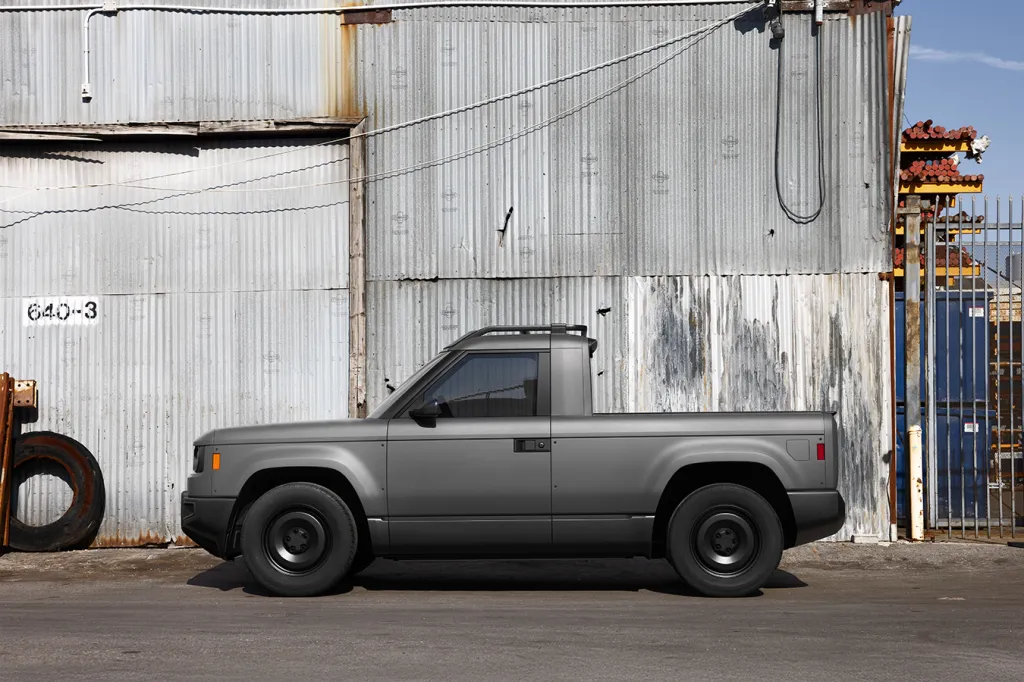
Slate Auto’s new $650 million funding round is the clearest sign yet that investors still see room for new winners in electric vehicles — especially if those companies focus less on luxury and more on price. The startup’s latest raise was led by existing backer TWG Global, according to TechCrunch, and the money is expected to help fund its plans for an affordable electric pickup.
A crowded EV market, but a clear opening
The broader EV market has become much tougher over the past two years. High interest rates, softer consumer demand in some segments, and growing competition have made fundraising harder for startups and have pressured established automakers alike. Yet one gap remains especially important: many consumers still want lower-cost electric vehicles, and affordable electric trucks are in particularly short supply.
That is what makes Slate Auto’s funding notable. Rather than chasing the ultra-premium end of the market, the company appears to be betting that a simpler, cheaper EV truck can attract buyers who have been priced out of much of the current lineup. If Slate can execute, it would be entering a part of the market where demand could be more durable than headline sales swings suggest.
Why investors are still writing big checks
The latest round also says something important about the investment climate. While venture investors have become far more selective, capital is still available for startups that can tie their product to a clear consumer need and a believable manufacturing roadmap. According to the TechCrunch report, the round was led by TWG Global, the investment firm run by Mark Walter, best known as the owner of the Los Angeles Dodgers.
That matters because EV manufacturing is expensive, operationally difficult, and highly sensitive to scale. Startups in this sector do not just need product vision; they need patient capital. Big funding rounds are often as much about confidence in management and execution as they are about the vehicle itself.
The bigger business story behind the raise
Slate Auto’s announcement lands at a time when the global EV race is becoming more strategic. Legacy automakers are trying to balance profitability with electrification spending, while startups are under pressure to prove they can survive a harsher funding environment. At the same time, battery prices, supply-chain localization, tariffs, and consumer incentives continue to shape who can build affordable vehicles at scale.
Recent industry reporting has highlighted the uneven pace of EV adoption. The International Energy Agency’s Global EV Outlook has repeatedly shown long-term growth in electric vehicle adoption worldwide, even as regional demand patterns fluctuate. In the United States, meanwhile, policy and industrial strategy remain deeply intertwined with EV expansion, including battery sourcing rules and domestic manufacturing support outlined by the U.S. Department of Energy.
For startups like Slate Auto, the challenge is turning those macro trends into an actual, shippable product. Affordable EVs have long been promised, but execution has been difficult. Manufacturing delays, supply bottlenecks, and the high cost of scaling production have derailed more than a few young automakers.
What to watch next
The immediate question is not whether Slate Auto can raise money — it just did — but whether it can translate financial backing into production credibility. Investors and consumers will be watching for concrete updates on vehicle specifications, factory plans, supplier partnerships, pricing, and delivery timelines.
If the company succeeds, it could help validate a more pragmatic chapter in the EV market: fewer moonshot narratives, more focus on affordability and disciplined execution. If it stumbles, the round will still serve as a reminder that the appetite for transportation innovation has not disappeared — it has simply become more demanding.
In that sense, this is not just a startup fundraising story. It is a business story about where capital is still willing to take risk in 2026: on companies that promise to solve real consumer problems in giant markets, provided they can prove they know how to build.
Sources:
TechCrunch – Slate Auto raises $650M to fund its affordable EV truck plans
International Energy Agency – Global EV Outlook 2025
U.S. Department of Energy