

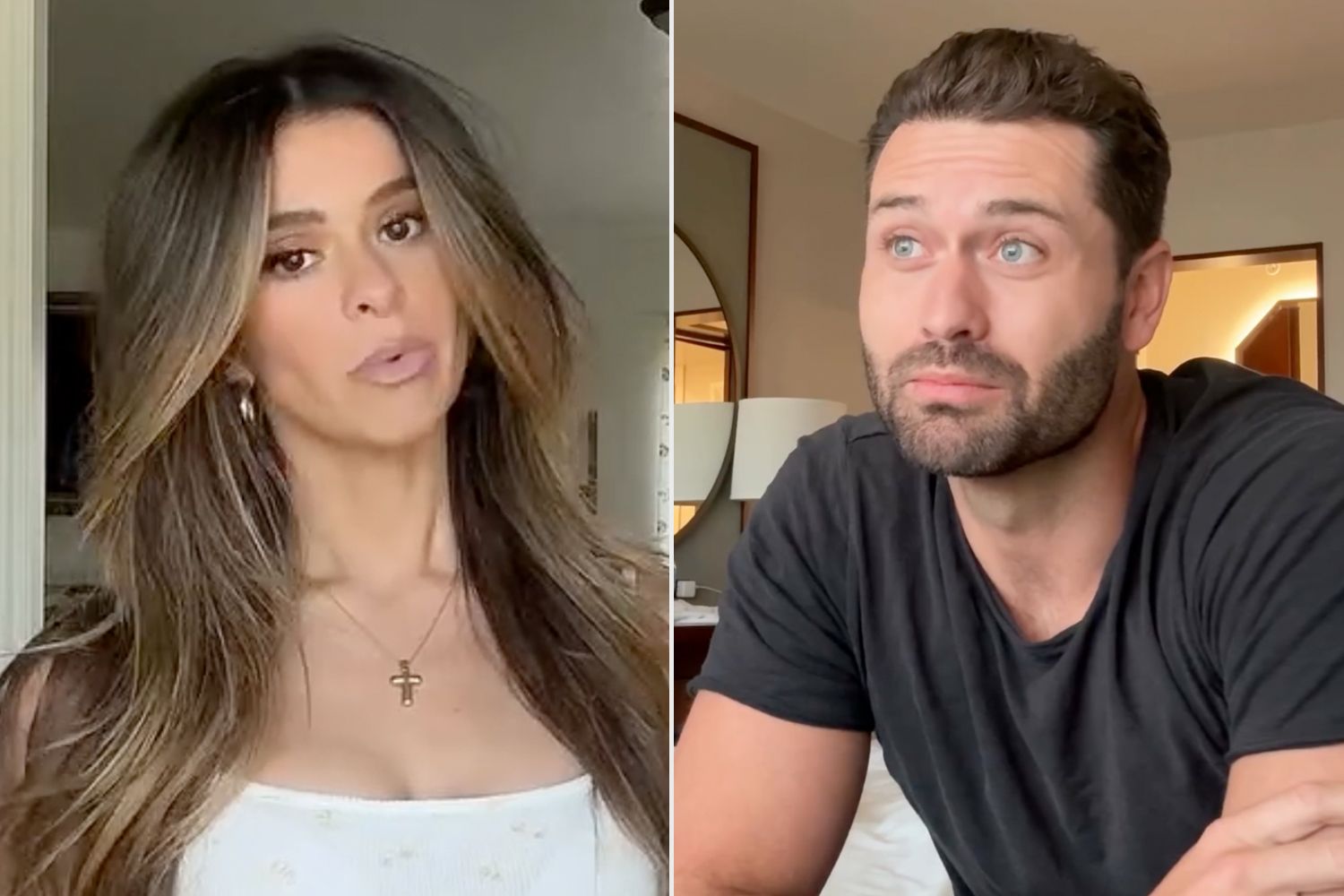
Taylor Frankie Paul’s latest legal clash with ex-partner Dakota Mortensen is firmly a Pop Culture story, but it also reflects a broader entertainment-industry trend: reality television is no longer insulated from the real-world consequences of cast behavior, court battles, and audience scrutiny.
According to Entertainment Weekly, Mortensen’s attorney criticized Paul following a recent Utah custody hearing involving their 2-year-old son, Ever. The hearing comes amid an ongoing domestic-violence-related investigation and competing restraining orders. The dispute has already had major professional repercussions: The Secret Lives of Mormon Wives reportedly paused production, and ABC canceled Paul’s planned season of The Bachelorette, also reported by Entertainment Weekly.
Why this belongs in Pop Culture
At first glance, this is a celebrity legal dispute. But the reason it lands squarely in Pop Culture is because the central figure is a reality-TV personality whose personal life is inseparable from her public brand. In today’s entertainment economy, audiences do not just consume a show — they follow the cast’s relationships, social media activity, scandals, and courtroom developments in real time. That turns private conflict into a commercial and cultural story.
Paul rose to national visibility through the Mormon-mom influencer universe and later through mainstream reality television. As her profile grew, so did the stakes. Networks, streaming platforms, advertisers, and fans all became participants in the consequences of her off-screen life. That is what makes this more than a legal brief: it is a case study in how celebrity culture operates in 2026.
The bigger entertainment trend: reputational risk is now immediate
One of the clearest developments across entertainment this year is the shrinking gap between controversy and corporate response. Studios and networks are acting faster when allegations threaten a production’s viability. In Paul’s case, the halt in Hulu production and the cancellation of a major ABC franchise appearance suggest executives are increasingly unwilling to gamble on unresolved legal turmoil surrounding talent.
This pattern mirrors wider media-industry shifts reported across entertainment coverage, where platforms are prioritizing brand safety, audience trust, and advertiser confidence. Even before legal matters are fully adjudicated, public perception can alter programming decisions, promotional plans, and long-term casting strategies.
Reality TV’s old formula is under pressure
Reality television has long profited from instability, conflict, and messy personal lives. But there is now a visible limit to what audiences and distributors are willing to package as entertainment. The genre still thrives on emotional volatility, yet allegations involving domestic violence, child welfare concerns, or ongoing court intervention cross into territory that many viewers see less as “dramatic television” and more as serious real-life harm.
That tension is becoming one of the defining Pop Culture conversations of the moment. Where should producers draw the line between documenting chaos and exploiting it? When does a cast member stop being “compelling TV” and become a legal and ethical liability? The Paul case does not answer those questions on its own, but it adds urgency to them.
The social-media celebrity machine keeps amplifying everything
Another reason this story matters beyond tabloid interest is the role of social platforms. Influencer-reality stars live in a feedback loop: viral clips, leaks, fan commentary, podcast reactions, and reposted court updates all intensify the narrative. In earlier entertainment eras, a custody dispute involving a TV figure might have unfolded mostly through court reporting and magazine coverage. Now, every development becomes immediate content.
That visibility can harden public opinion long before a legal process is complete. It can also make rehabilitation harder. Once a celebrity’s identity becomes tied to scandal online, every career move is filtered through that lens.
What to watch next
The next major development is the scheduled April 30 court date referenced in recent reporting. Legally, that hearing may clarify near-term custody arrangements and shape the public narrative around the accusations made by both sides. Professionally, it could influence whether Paul has any realistic path back to major network-backed reality programming in the near future.
For the entertainment industry, the larger question is whether this becomes another turning point in the handling of unscripted stars. Executives have spent years building franchises around “authenticity,” but authenticity becomes costly when it collides with criminal allegations, family-court disputes, and viral evidence.
A Pop Culture story with real-world stakes
It is easy to dismiss celebrity legal drama as gossip, but that would undersell what is actually happening here. This story sits at the intersection of fame, platform economics, reality-TV ethics, and audience accountability. Taylor Frankie Paul’s case is not just about one embattled personality. It is about the modern entertainment machine — how it elevates people, monetizes their personal lives, and then rapidly distances itself when the fallout becomes too serious to spin.
Sources: