

## Category Selected: Pop Culture
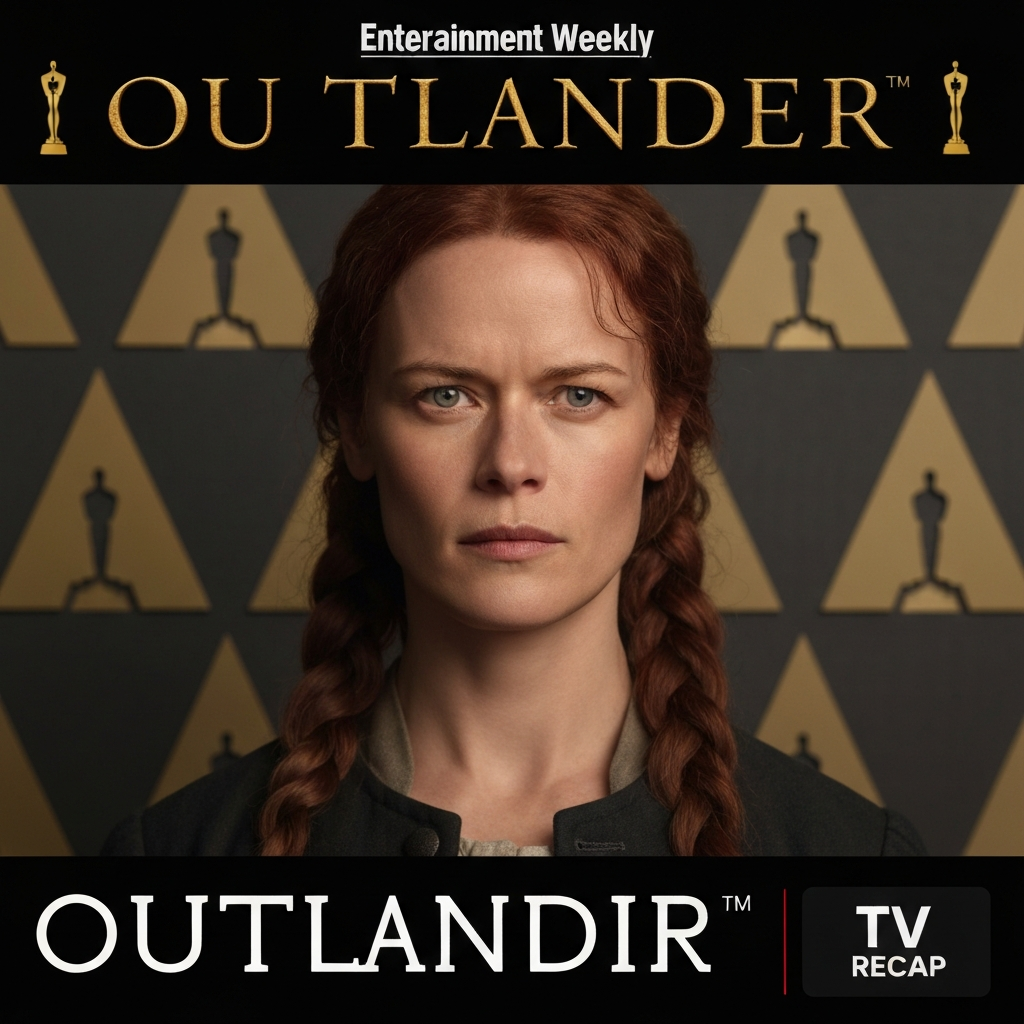
The RSS item is clearly a **Pop Culture** story. It is an *Entertainment Weekly* recap of the season 8 premiere of **Outlander**, focused on television storytelling, cast members, plot developments, and fan reaction territory rather than politics, business, science, health, sports, tech, world affairs, or human-interest reporting.
## Latest Pop Culture News: The Oscars 2026 spotlight an industry in transition
One of the biggest current stories in pop culture is the aftermath of the **2026 Academy Awards**, which offered a revealing snapshot of where film and entertainment culture are heading: more global audiences, heavier streaming influence, and ongoing debate over what theatrical prestige means in a fragmented media environment.
The 2026 Oscars were notable not just for the winners, but for what the ceremony suggested about Hollywood’s changing center of gravity. Awards-season coverage from major outlets emphasized three interconnected themes: the continuing tug-of-war between theatrical releases and streaming-backed prestige films, the increasing importance of international filmmaking in mainstream awards races, and the Academy’s efforts to remain culturally relevant in a digital-first entertainment ecosystem. Coverage from sources including **The Academy**, **Variety**, **The Hollywood Reporter**, **Deadline**, and **BBC News** framed this year’s ceremony as both a celebration and a referendum on what modern prestige entertainment now looks like.
According to the official Academy website, this year’s ceremony highlighted a wider range of international talent and showcased the organization’s continued emphasis on broadening representation across its membership and nominee pool ([Oscars.org](https://www.oscars.org/)). Trade reporting from [Variety](https://variety.com/) and [The Hollywood Reporter](https://www.hollywoodreporter.com/) noted that studios and streamers alike treated the awards not just as artistic validation, but as a branding battleground in an era when audience attention is increasingly scattered across platforms. Meanwhile, [Deadline](https://deadline.com/) focused on the business implications of wins and losses, especially for distributors seeking post-awards box office bumps and long-tail streaming value.
What makes this a meaningful pop culture story is that the Oscars are no longer just about trophies. They are a public scoreboard for the entertainment industry’s biggest identity questions. Can traditional movie stars still anchor cultural conversation the way they once did? Are streaming platforms now the default home for serious adult dramas? And does awards recognition still shape what audiences watch, or has the social media cycle overtaken critics and institutions as the dominant tastemaker?
Recent reporting suggests the answer is complicated. On one hand, awards attention still matters. Winning films often see renewed audience interest through premium video-on-demand, streaming discovery, and repertory theatrical runs. On the other hand, mass cultural attention is now much harder to concentrate. A single Oscar winner may dominate industry conversation without becoming a true mainstream phenomenon in the way older best-picture winners once did. That disconnect has been widely discussed in coverage from [BBC News](https://www.bbc.com/news), [Associated Press](https://apnews.com/), and [Reuters](https://www.reuters.com/), all of which have repeatedly examined the shrinking overlap between critical prestige and broad audience engagement.
Another major angle is globalization. The Academy has spent years expanding its international membership, and the effect is now unmistakable. Films from outside the traditional Hollywood pipeline are no longer treated merely as specialty fare; they increasingly compete for top honors and wider commercial attention. This shift reflects broader audience habits shaped by streaming, where language barriers matter less than they once did and where viewers are more willing to sample international content recommended by algorithms, critics, or social buzz.
At the same time, the ceremony’s broader cultural footprint remains under pressure. TV ratings for awards shows have struggled for years compared with earlier eras, and producers continue experimenting with pacing, performance segments, and social-media-friendly moments to make live events feel urgent again. Coverage from [Nielsen](https://www.nielsen.com/), when available, and analysis from trades like *Variety* and *The Hollywood Reporter* have consistently pointed to the same reality: live awards shows still generate headlines, but they compete with an entertainment landscape built around clips, memes, and next-day highlights.
The larger takeaway is that pop culture institutions are being forced to evolve in public. The Oscars still matter, but differently than before. They function less as a universal cultural gathering point and more as a prestige amplifier, a branding exercise, and a conversation starter about where film culture is moving next.
For fans of television and film coverage—like readers clicking on an *Outlander* recap—that matters. The same entertainment ecosystem that fuels weekly obsession over prestige TV also shapes the fate of films, stars, awards campaigns, and streaming platforms. In that sense, the biggest pop culture story right now is not simply who won an award. It is the continuing transformation of how culture itself is made, distributed, discovered, and debated.
### Sources
– [The Academy / Oscars](https://www.oscars.org/)
– [Variety](https://variety.com/)
– [The Hollywood Reporter](https://www.hollywoodreporter.com/)
– [Deadline](https://deadline.com/)
– [BBC News](https://www.bbc.com/news)
– [Associated Press](https://apnews.com/)
– [Reuters](https://www.reuters.com/)