



Entertainment Weekly’s roundup of binge-worthy Netflix shows clearly belongs in the entertainment space, so the appropriate category is Pop Culture.
But beyond the monthly watchlist, the bigger story in pop culture right now is how major streaming platforms are reshaping their content strategies in 2026: leaning harder on franchise extensions, recognizable stars, and internationally portable originals to hold subscribers’ attention in an increasingly crowded market.
The bigger pop culture story: streaming doubles down on franchises, stars, and global hits
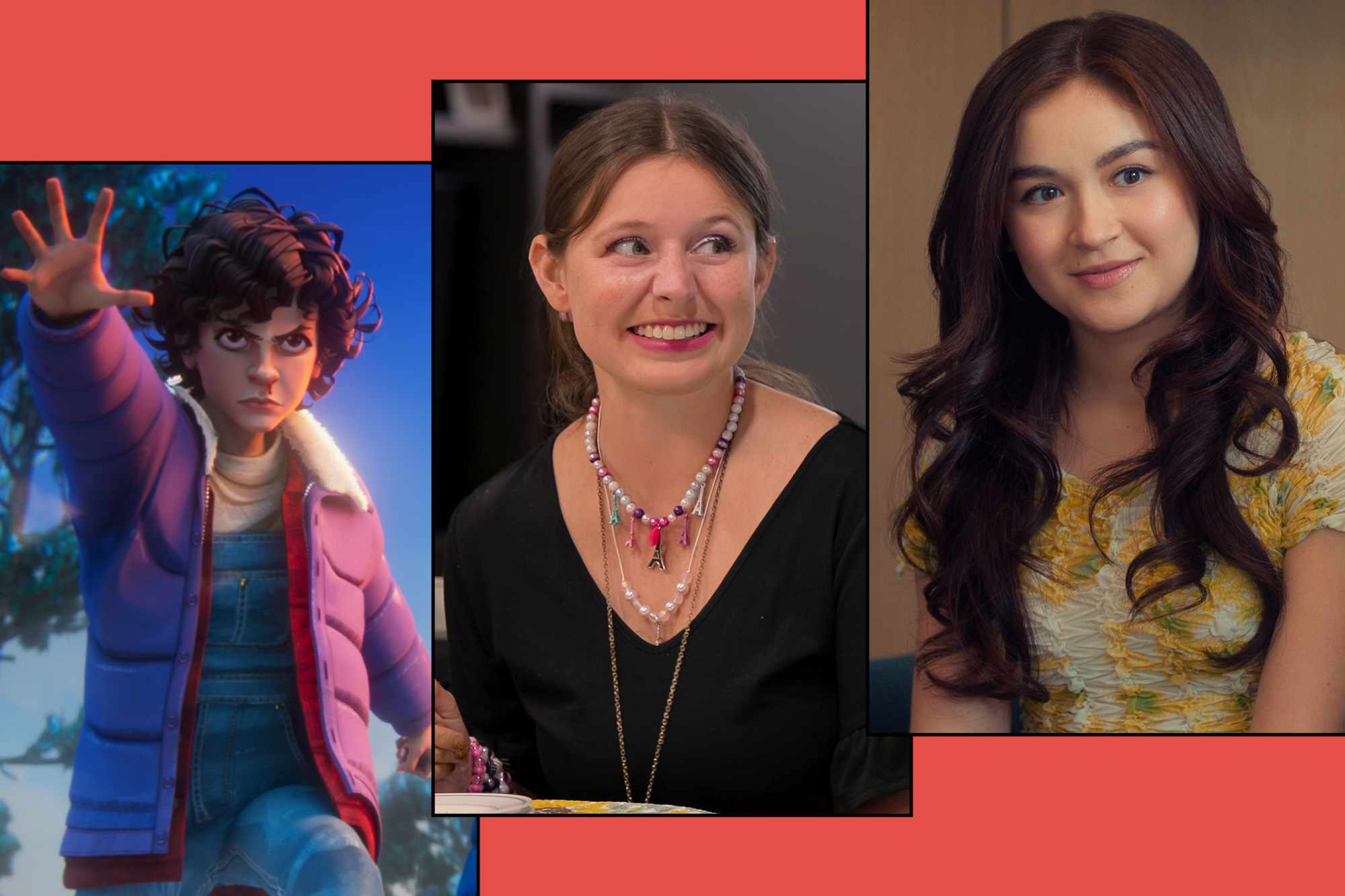
Netflix’s newly promoted April slate — including Stranger Things: Tales From ’85, XO, Kitty, Beef, and Man on Fire — reflects a broader industry pattern that has only intensified this year. The top platforms are investing in titles that already come with built-in awareness, whether through existing intellectual property, returning hit series, or high-profile talent.
That trend is visible across the media business. In its most recent company updates, Netflix has continued to emphasize engagement, global reach, and a pipeline built around both franchise familiarity and local-language productions that can travel internationally. The company has repeatedly framed its competitive edge around breadth of programming and audience retention rather than any single release. Source: Netflix Newsroom.
At the same time, traditional studios and rival streamers are making similar bets. Disney has continued to organize much of its streaming and theatrical strategy around major franchises including Marvel, Star Wars, and Pixar, while Warner Bros. Discovery has leaned on brands with established fan bases across film, television, sports, and unscripted programming. Sources: The Walt Disney Company, Warner Bros. Discovery.
Why this matters to viewers
For audiences, this means the monthly “what to watch” lists are no longer just service journalism. They are snapshots of where pop culture is being engineered. A title like Stranger Things: Tales From ’85 is not simply another release; it is part of a long-tail franchise strategy designed to keep a beloved universe alive after the flagship series ends. XO, Kitty extends an already successful young-adult romantic brand. Beef returns not by repeating its first-season formula exactly, but by preserving the prestige aura of the brand while rotating in fresh stars.
That approach reduces risk for platforms, but it also changes how culture gets made. Instead of asking viewers to discover entirely unknown ideas, streamers increasingly ask them to revisit something adjacent to what they have already loved. It is efficient, often satisfying, and sometimes creatively limiting.
The international factor is now central
One of the most notable developments in entertainment over the past several years — and still a defining force in 2026 — is the globalization of mainstream TV fandom. Netflix in particular has helped normalize the idea that a series can emerge from one market and become an international obsession. Hits from South Korea, Spain, and other regions have permanently altered what U.S. audiences consider mainstream viewing. Source: Netflix News.
That is part of what makes a series like XO, Kitty strategically important. It blends an American YA franchise with a Seoul setting and globally marketable teen-drama storytelling. The content feels niche and broad at the same time — exactly the kind of hybrid product streamers now prize.
Celebrity still matters — maybe more than ever
Even in an algorithm-driven media ecosystem, star power remains one of the fastest ways to break through. Netflix’s April list is loaded with recognizable names: Zach Galifianakis, Dan Levy, Kate Hudson, Oscar Isaac, Carey Mulligan, and Yahya Abdul-Mateen II. That is not accidental. In a fragmented attention economy, familiar talent gives audiences a reason to click before reviews or word-of-mouth catch up.
Industry coverage from outlets like The Hollywood Reporter and Variety has repeatedly shown how streamers use talent packaging as both a marketing tool and a hedge against churn. A crowded homepage becomes easier to navigate when a known face is attached to a new show.
A more cautious era for originals
The current moment also reflects a more disciplined phase for streaming companies after the earlier growth-at-all-costs era. Across the industry, executives have become more selective about greenlights, more focused on profitability, and more reliant on projects with clearer commercial hooks. Reuters’ ongoing coverage of the entertainment business has documented this shift as major media companies prioritize margins and sustainable subscriber growth over sheer volume. Source: Reuters Media & Telecom.
That does not mean originality has vanished. It means originality is increasingly packaged inside safer wrappers: a spinoff, a star-led dark comedy, a rebooted adaptation, or a prestige anthology with awards pedigree.
The takeaway
So yes, the Entertainment Weekly item is a straightforward Pop Culture post about what to watch on Netflix this month. But it also points to a larger truth about entertainment in 2026: streaming platforms are no longer just competing to release more shows. They are competing to own fandom, prolong relevance, and turn every recognizable title into an ecosystem.
For viewers, that means more polished choices and more familiar brands. For the culture, it raises a sharper question: are we in a golden age of abundance, or an era where the safest ideas keep getting the biggest spotlight?
Either way, April’s lineup offers a clear answer to what streamers think works now — and that may be the most revealing pop culture story of all.