
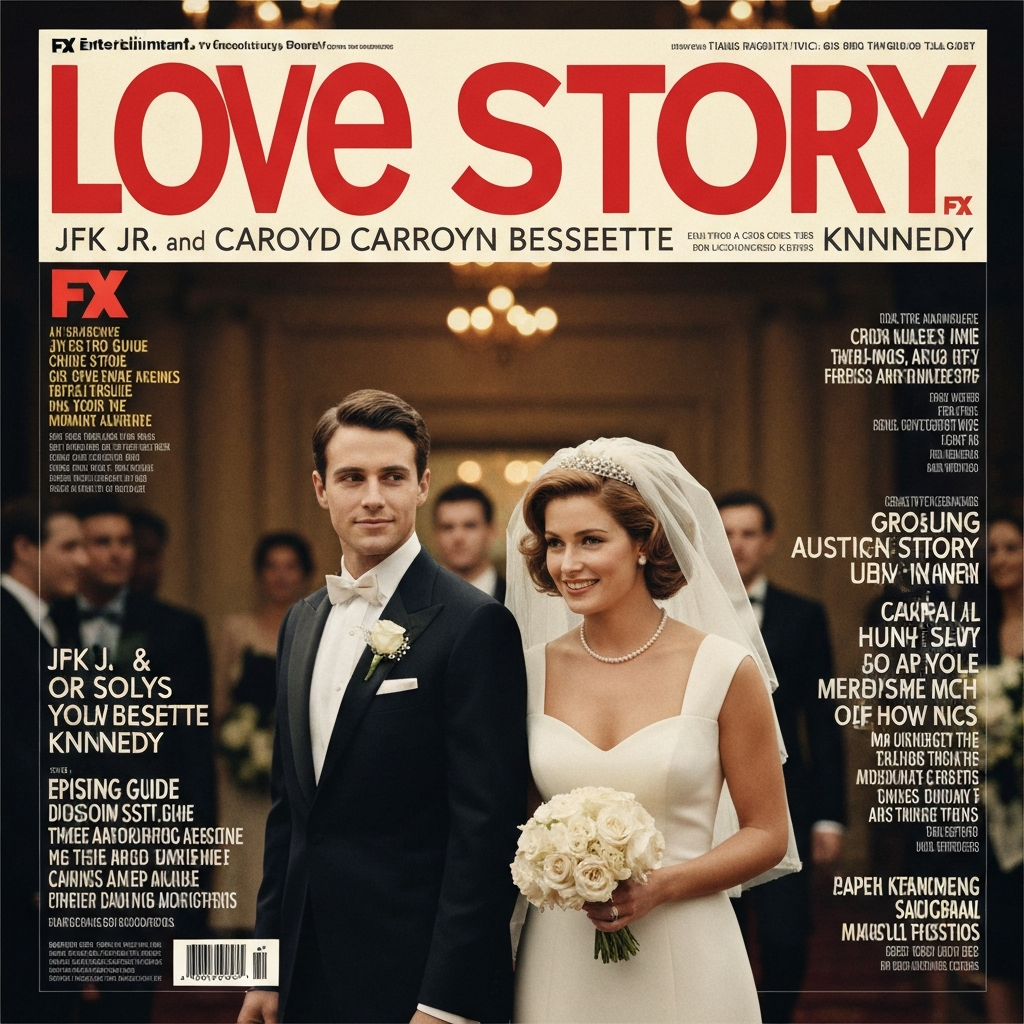
The RSS item belongs in the Pop Culture category because it focuses on an FX television series, celebrity history, and entertainment coverage surrounding Love Story: John F. Kennedy Jr. & Carolyn Bessette.
Why this belongs in Pop Culture
The source article is centered on a scripted TV drama, its portrayal of famous public figures, and audience interest in what the show gets right or wrong. That makes it a clear fit for pop culture rather than politics or world news, even though the Kennedy family has political significance.
The latest Pop Culture story: Hollywood doubles down on franchise filmmaking as theaters search for stability
One of the biggest current themes in entertainment is the industry’s increasing dependence on franchise films, branded universes, and known intellectual property as studios try to stabilize box office results and streaming economics. Recent reporting from major trade and business outlets shows that media companies are leaning heavily on sequels, remakes, superhero titles, and familiar characters to reduce risk in an industry still adjusting to post-strike production slowdowns, changing audience habits, and pressure to make streaming profitable.
According to The Hollywood Reporter, studios continue to prioritize recognizable brands because global marketing is easier when audiences already know the property. Variety and Deadline have similarly reported that studios are filling release calendars with franchise extensions and event titles as exhibitors seek reliable theatrical draws. Meanwhile, broader financial analysis from outlets such as The Wall Street Journal and Financial Times has underscored a related reality: entertainment companies are under pressure to justify big content spending while streaming growth slows and investors demand better margins.
Why this matters now
The trend is shaping not just what gets made, but how culture is packaged and sold. Original stories still break through, but many of the most aggressively marketed releases are tied to preexisting fan bases. For studios, the logic is straightforward: familiar titles can generate stronger opening weekends, support international sales, and create merchandising opportunities across platforms. For audiences, the result is more mixed. Franchises can offer communal moviegoing events, but they can also narrow the range of stories receiving wide theatrical exposure.
This matters across television as well. The same instinct that fuels franchise filmmaking also drives the boom in biographical dramas, reboots, and nostalgia-led series. The RSS item about Love Story fits squarely inside that pattern. Rather than introducing an entirely new fictional world, the show revisits highly recognizable figures — JFK Jr. and Carolyn Bessette — and invites audiences to compare dramatization with documented history. That blend of celebrity mythology, prestige-TV storytelling, and fact-check culture has become a defining feature of today’s pop culture ecosystem.
The business and creative tension behind the trend
The entertainment industry is balancing two competing needs: minimizing financial risk while still delivering fresh creative experiences. Reporting from CNBC and Bloomberg has pointed to the high cost of content production and marketing, especially for theatrical tentpoles and premium streaming series. In that environment, executives often favor projects with built-in awareness. But critics and creators regularly argue that overreliance on existing IP can leave audiences fatigued and limit opportunities for original voices.
That tension helps explain why entertainment coverage increasingly focuses not only on whether a show or film is successful, but also on how it interprets known material. Viewers are no longer just consuming stories — they are actively measuring them against real events, previous versions, and online discourse. Publications like Entertainment Weekly and People feed that demand by publishing explainers, fact checks, and behind-the-scenes coverage that keep a title in conversation long after an episode airs.
How Love Story reflects the bigger pop culture moment
The Love Story article is a strong example of the current entertainment cycle in action. A prestige-style TV series dramatizes a famous relationship. Media outlets then analyze what the episode changed, what happened in real life, and why those differences matter. The result is a layered pop culture product: part drama, part historical reinterpretation, part celebrity archive.
That formula has proven durable because it satisfies several audience appetites at once. It offers nostalgia, glamour, and insider detail while also encouraging social media debate and search-driven follow-up reading. In other words, it is not just a TV show; it is a content ecosystem.
The takeaway
Pop culture in 2026 is being shaped by familiarity: known names, established worlds, historical figures, and brands audiences already recognize. The article about Carolyn Bessette’s maid of honor is therefore more than a niche entertainment item. It reflects a wider industry strategy in which studios and networks use recognizable stories to capture attention in an increasingly fragmented media environment.
For readers and viewers, the challenge is deciding when these projects deepen cultural memory and when they merely recycle it. For Hollywood, the bigger question is whether a strategy built on familiarity can sustain audience excitement over the long term — or whether the next major cultural breakthrough will come from something genuinely new.
Sources
- Entertainment Weekly: Was Carolyn Bessette’s sister really not her maid of honor? What “Love Story” gets wrong about the Kennedy wedding party
- People: What Love Story got right and wrong about JFK Jr. and Carolyn Bessette’s wedding
- The Hollywood Reporter
- Variety
- Deadline
- The Wall Street Journal
- Financial Times
- CNBC
- Bloomberg