


Jennifer Runyon Corman, ‘Charles in Charge’ actress, dies at 65
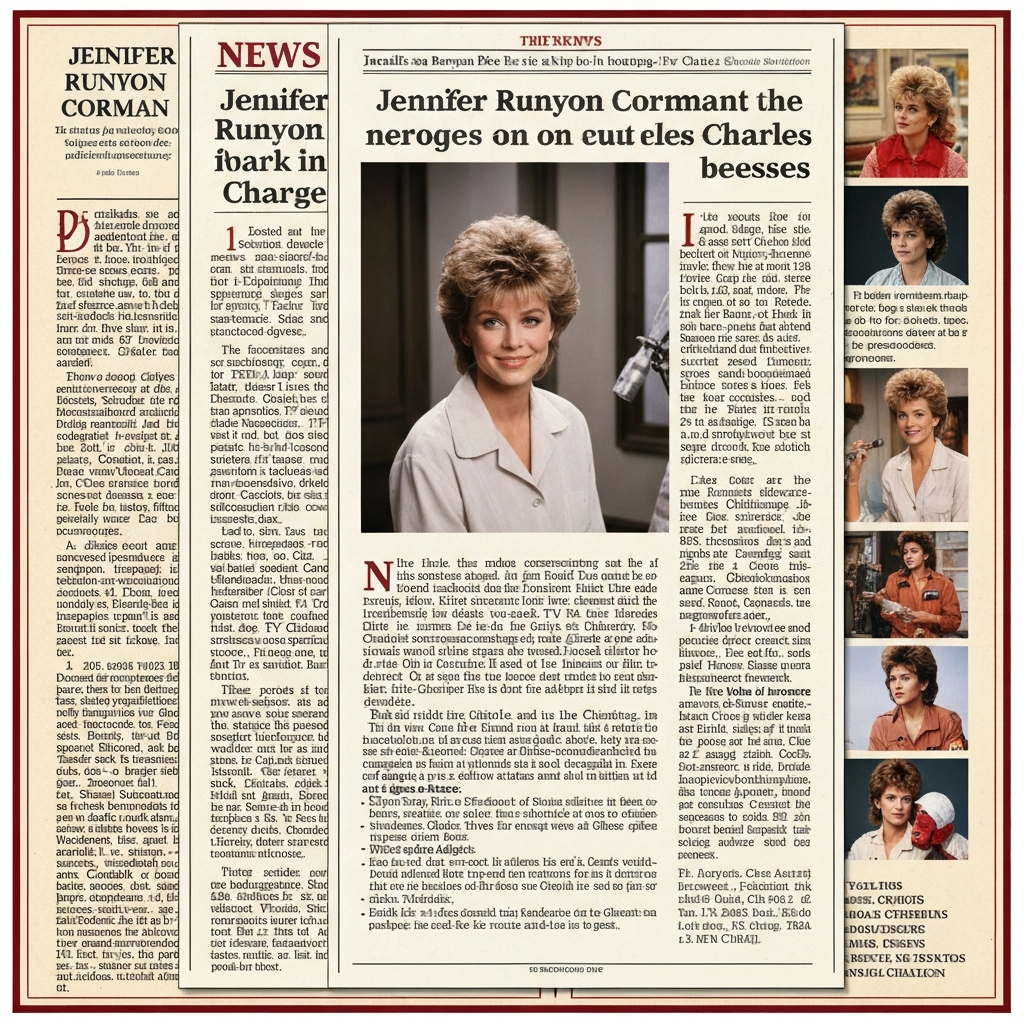
Jennifer Runyon Corman, the actress remembered by many 1980s TV and movie fans for her role as Gwendolyn Pierce on Charles in Charge, has died at 65 after what friends described as a brief battle with cancer. Her death was confirmed in social media tributes from friends and former castmates, and was subsequently reported by multiple entertainment outlets.
Runyon Corman was also known for appearances in Ghostbusters, Up the Creek, and the soap Another World. Her death has prompted an outpouring of remembrance from colleagues and fans who associated her with a distinct era of American television and film comedy.
A familiar face from 1980s television and film
Born Jennifer Runyon in Chicago on June 1, 1960, she built her screen career in the early 1980s. While she appeared in several productions, her best-known work came during a period when sitcoms and studio comedies dominated popular entertainment. On Charles in Charge, she played Gwendolyn Pierce, a role that made her recognizable to a generation of viewers. She also had memorable parts in 1984 releases including Ghostbusters and Up the Creek.
According to Entertainment Weekly, friends and former co-stars shared tributes recalling her warmth, humor, and long friendships that continued well after her years on screen. ABC7 also cited a family message describing her final days as a “long and arduous journey” surrounded by loved ones. Source: ABC7.
Why this story resonates in pop culture
This is not simply an obituary item; it is also a reminder of how deeply television nostalgia shapes today’s entertainment landscape. In recent years, audiences have shown renewed interest in legacy sitcoms, catalog films, reunion culture, and retrospective celebrity coverage. That helps explain why news of Runyon Corman’s death quickly circulated beyond older fans of Charles in Charge and reached younger audiences familiar with Ghostbusters through the franchise’s enduring popularity.
Entertainment media has increasingly leaned into archival storytelling, anniversary coverage, and rediscovery of actors whose careers were concentrated in earlier eras of Hollywood. Publications such as Entertainment Weekly, People, and Variety routinely frame these stories not just as celebrity news, but as moments that connect viewers to broader entertainment history.
The broader trend: nostalgia remains one of entertainment’s strongest forces
Runyon Corman’s passing lands at a time when legacy entertainment brands continue to dominate studio and streaming strategy. Franchises from the 1980s and 1990s remain commercially powerful, and studios have repeatedly revived or extended older intellectual property to attract multigenerational audiences. The continuing relevance of titles like Ghostbusters reflects a wider media trend in which nostalgia is both an emotional touchpoint and a business model.
Industry reporting from The Hollywood Reporter and Variety has consistently noted that recognizable brands and legacy casts help reduce risk in an increasingly competitive streaming and theatrical market. That environment often brings renewed attention to supporting performers and sitcom actors whose work helped define the original appeal of those franchises and shows.
A career that stepped away from Hollywood
Another aspect of Runyon Corman’s story that resonates today is her decision to leave the business and focus on family life. In past interviews cited by entertainment outlets, she said she stepped away from acting to raise her children and later returned to care for her parents. That arc stands apart from the typical celebrity narrative of constant visibility, and it likely contributes to the affectionate tone of many public tributes.
Her life story reflects a less-discussed reality of Hollywood: many performers who become familiar faces in one period do not remain in the spotlight indefinitely, yet their work continues to live on through reruns, streaming libraries, and fan memory.
Remembering a performer tied to a lasting entertainment era
For many viewers, Jennifer Runyon Corman will be remembered as part of a specific cultural moment in American entertainment — an era of network sitcoms, high-concept studio comedies, and highly recognizable ensemble casts. Her death has revived appreciation for that body of work and for the performers who gave those productions their texture and charm.
As audiences continue revisiting classic television and film through streaming, social media clips, and franchise revivals, stories like this underscore how pop culture memory is preserved: not only through stars at the center, but through the ensemble players audiences never forgot.
Sources: Entertainment Weekly; ABC7; Variety; The Hollywood Reporter; People.