


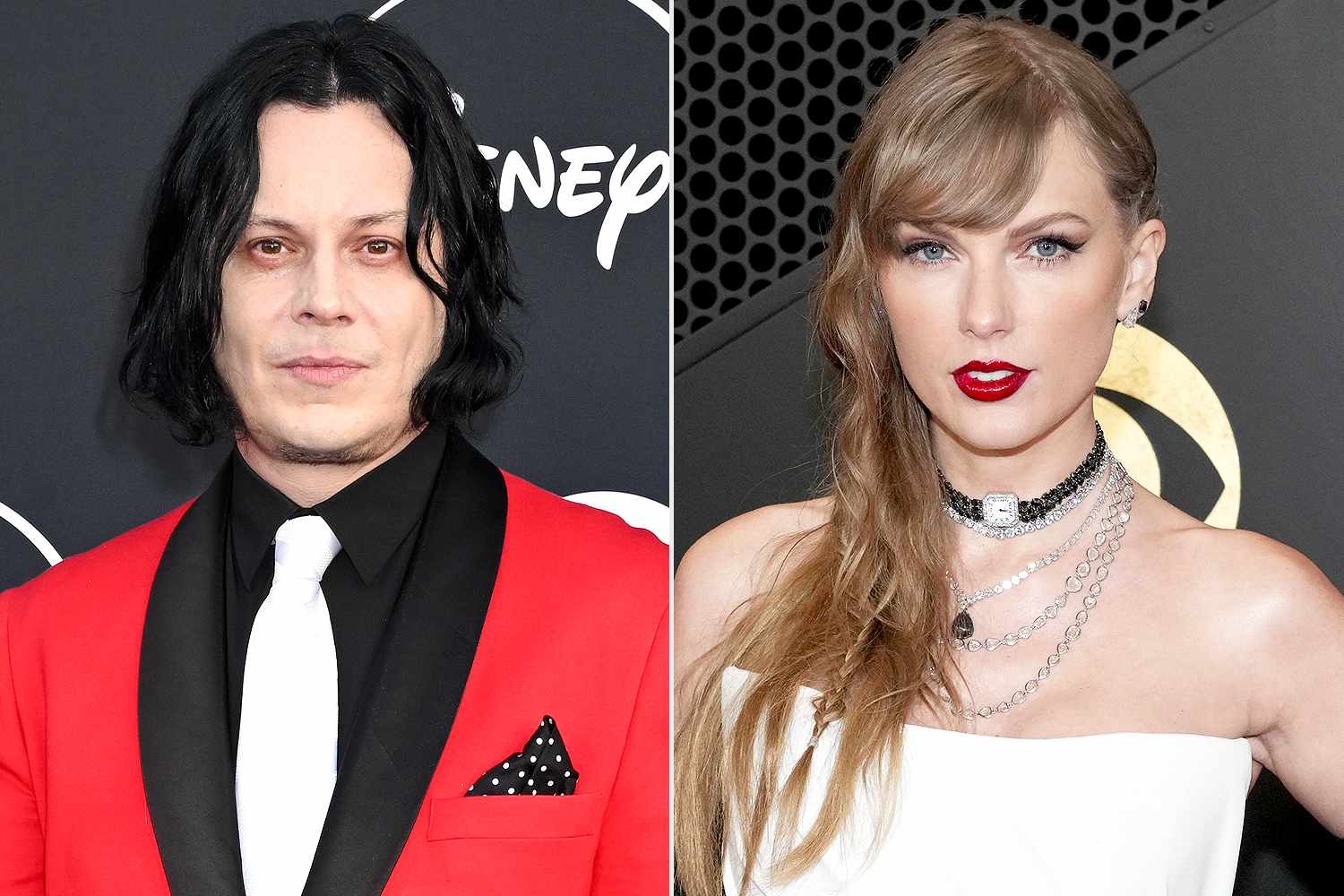
Jack White’s recent comments about what he called the “Taylor Swift way” of songwriting place this RSS item squarely in the entertainment sphere, making Pop Culture the best fit. The story is less about music technique alone and more about celebrity, fandom, public persona, and the ongoing way major stars become cultural flashpoints.
Why this belongs in Pop Culture
The article centers on a public remark by Jack White about Taylor Swift, then broadens into a roundup of reactions and opinions from other well-known musicians. That framing is fundamentally pop-cultural: it tracks celebrity commentary, fan response, artistic reputation, and the media ecosystem around major entertainers. While music is the immediate subject, the larger news value comes from the cultural conversation surrounding Swift’s public image and influence.
The bigger story: celebrity discourse is now part of the product
One reason Taylor Swift remains such a dominant cultural figure is that discussion around her extends far beyond album releases. Comments from fellow artists routinely become news events of their own, amplified by entertainment outlets and social platforms. White’s remarks fit a familiar pattern: a veteran artist critiques a pop megastar’s approach, fans react, and the exchange becomes part of the broader narrative about fame, authenticity, and artistic legitimacy.
This dynamic has become a defining feature of modern entertainment coverage. Publications including Entertainment Weekly, Billboard, and Rolling Stone regularly cover not just music releases, but also the surrounding commentary, feuds, fan reactions, and reputational battles that shape an artist’s standing.
Recent pop-culture context: fandom, platforms, and artist scrutiny
Recent entertainment reporting continues to show how fandoms and online platforms drive the velocity of celebrity news. Coverage from outlets such as Variety and The Hollywood Reporter has highlighted how artists now operate in an environment where interviews, tour moments, lyrics, and offhand critiques are instantly reframed for mass debate. In that context, any comment involving Swift—one of the world’s most scrutinized entertainers—quickly becomes larger than the original interview.
That also explains why stories like this persist. They speak to ongoing questions in pop culture: What counts as authentic songwriting? How much of an artist’s personal life should become material? When does critique become dismissal? And why do certain stars attract a level of attention that turns every outside opinion into a headline?
What makes the Swift angle so durable
Swift’s cultural reach helps turn niche music commentary into mainstream entertainment news. Her work sits at the intersection of celebrity, commerce, authorship, fandom, and media power. As a result, reactions to her often reveal just as much about the commentators—and the culture consuming the story—as they do about Swift herself.
White’s comments, whether intended as a broad artistic preference or a pointed critique, land in a media environment primed to interpret them through the lens of fan culture and celebrity conflict. That is why this item reads less like a conventional music review and more like a snapshot of how modern pop culture functions.
Sources
Entertainment Weekly: Jack White criticizes the “Taylor Swift way” of songwriting
Billboard
Rolling Stone
Variety
The Hollywood Reporter