

Category selected: Pop Culture
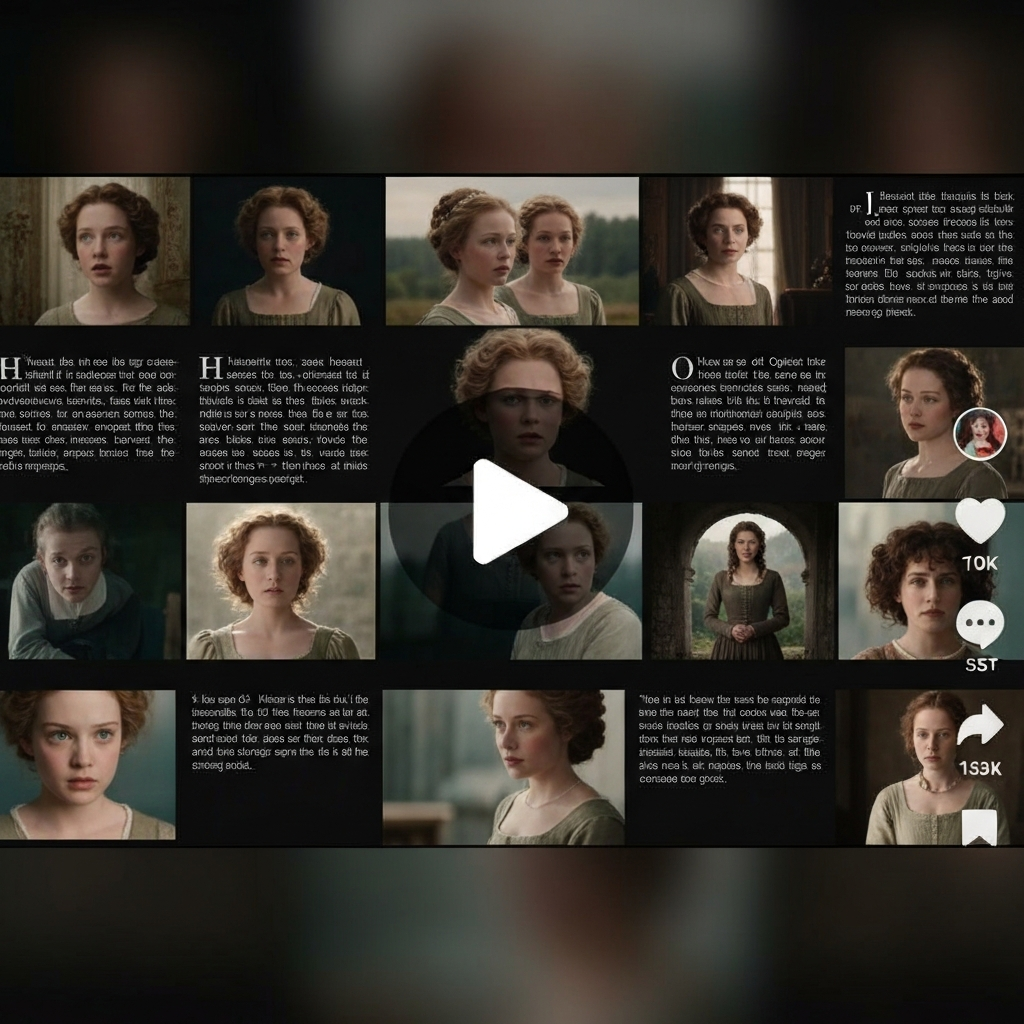
The RSS item is best categorized as Pop Culture because it centers on an entertainment feature about the film Hamnet, its cast, its historical basis, and audience interest in a literary adaptation tied to awards-season discussion.
Latest Pop Culture News: TikTok explores a U.S. sale as deadline pressure returns
One of the biggest current pop culture stories is the ongoing uncertainty around TikTok’s future in the United States. The platform is more than a tech company: it is a major driver of music discovery, celebrity promotion, fan communities, film marketing, news consumption, and creator livelihoods. That makes the story not just a business or tech issue, but a defining pop culture development.
According to Reuters, U.S. officials have continued to push for a solution that would separate TikTok’s American operations from Chinese parent company ByteDance or otherwise resolve national security concerns tied to data access and platform influence. Coverage from The New York Times and The Wall Street Journal has likewise emphasized that any forced-sale or restructuring scenario could reshape the broader creator economy, advertising ecosystem, and digital entertainment landscape.
The stakes are enormous. TikTok has become a central engine of pop culture circulation: songs go viral there before they hit radio, movie clips become memes before opening weekend, and book sales surge through reader communities that can propel titles onto bestseller lists almost overnight. Artists, studios, brands, and influencers now routinely build release strategies around the platform’s recommendation engine and community behavior.
What makes this story especially significant is that TikTok’s influence extends far beyond short-form video. The app has helped determine what millions of people watch, buy, listen to, imitate, and discuss. If ownership changes or the app’s U.S. availability is disrupted, the consequences could ripple across Hollywood marketing, the music industry, publishing, and online fandom.
Reports from The Associated Press have noted the political and regulatory pressure surrounding the platform, while analysis from The Verge has highlighted how deeply TikTok is integrated into internet culture and creator monetization. In practical terms, this means the outcome will affect not just corporate ownership but the day-to-day mechanics of how culture spreads online.
Why this matters for pop culture
For years, entertainment gatekeepers such as radio programmers, studio executives, magazine editors, and TV bookers played a dominant role in deciding what broke through. TikTok disrupted that system. A new musician can find an audience without a label push. An older catalog track can re-enter the charts because a trend revives it. A small film can gain momentum because users fixate on a scene, a line reading, or a cast interview. In that sense, TikTok has become one of the most powerful tastemakers in modern pop culture.
If the platform is sold, restricted, or significantly altered, that influence does not simply disappear — but it may fragment. Creators could migrate to Instagram Reels, YouTube Shorts, or emerging platforms. Advertisers may shift budgets. Labels and studios may need to rethink how they launch campaigns. And audiences may lose one of the most efficient engines for serendipitous discovery on the internet.
There is also a deeper cultural question beneath the legal and policy debate: who controls the infrastructure of attention? Pop culture today is shaped not only by the artists and stories people love, but by the algorithms that place those works in front of them. TikTok’s uncertain future underscores how closely entertainment now depends on platform power.
The bigger picture
The TikTok story sits at the intersection of entertainment, politics, technology, and economics, which is exactly why it is such an important pop culture story right now. A platform once dismissed as a youth trend now helps launch hit songs, influence fashion cycles, drive box-office chatter, and create celebrities in real time. Its next chapter could define what digital fame and fan culture look like over the next several years.
Whether TikTok remains under ByteDance, is restructured, or is acquired by new owners, the broader lesson is already clear: pop culture no longer lives only in theaters, on television, or in magazines. It lives inside recommendation systems, creator communities, and endlessly remixable feeds. The latest TikTok developments are therefore not a side story to entertainment — they are the story.