

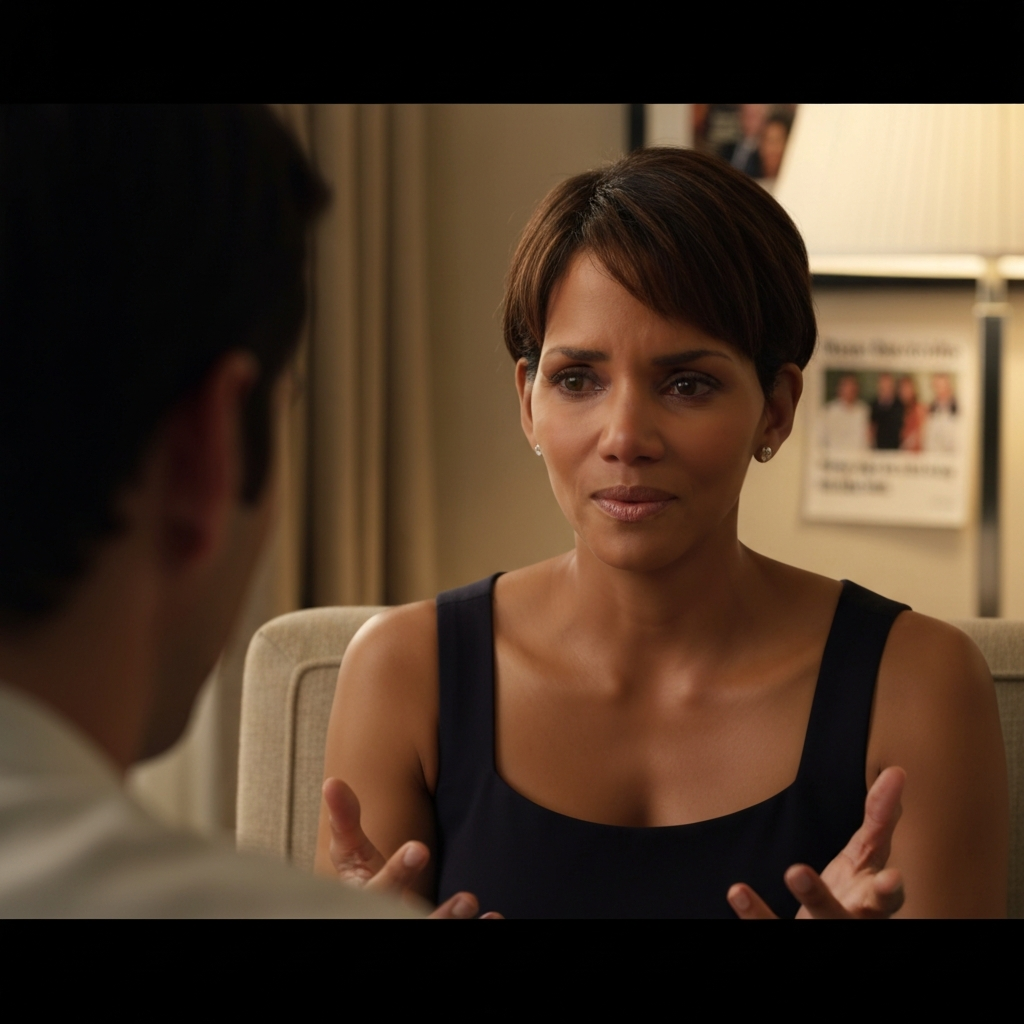
Halle Berry’s revelation that she stepped away from interviews for a decade because of relentless tabloid framing squarely places this RSS item in Pop Culture. The story is centered on celebrity media treatment, public image, and the entertainment industry’s relationship with fame — all core pop-culture themes.
Category: Pop Culture
This feed item belongs in Pop Culture because it focuses on a major film star, media narratives around celebrity relationships, and the public conversation surrounding fame, image, and entertainment journalism.
Latest Pop Culture News: Celebrity coverage, streaming momentum, and the new power of reputation
One of the clearest trends in current pop-culture coverage is that celebrity storytelling is no longer driven only by films, albums, or awards — it is increasingly shaped by how stars manage scrutiny in an always-on media environment. Halle Berry’s comments about withdrawing from interviews reflect a broader shift in entertainment culture: artists and actors are trying to reclaim control over their narratives while studios, streamers, and audiences continue to demand constant visibility.
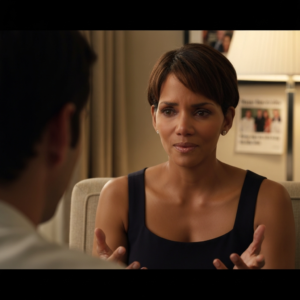
Berry told The Cut that she became exhausted by repetitive coverage portraying her as “unlucky in love,” despite a long and groundbreaking career that includes an Academy Award for Best Actress. Her remarks, as reported by Entertainment Weekly, highlight a pattern long seen in celebrity journalism: major professional achievements are often overshadowed by personal-life framing, especially for women.
That tension comes at a moment when entertainment reporting remains heavily personality-driven. Coverage from outlets such as Variety, The Hollywood Reporter, and Deadline continues to show that audience engagement spikes around star identity, franchise casting, streaming deals, and reputational narratives as much as around the creative work itself. In practical terms, the celebrity has become both the product and the promotional channel.
Why this matters now
The latest entertainment cycle suggests that the industry is entering a phase where public authenticity is treated as a market asset. Interviews, social posts, podcast appearances, and selective long-form profiles are now part of reputation management. Berry’s decision to re-engage publicly — while carefully reframing how her life story is told — mirrors a strategy increasingly used by high-profile talent across film, music, and television.
At the same time, the business of pop culture is being reshaped by streaming competition and franchise dependency. Recent industry reporting from The New York Times Arts and Reuters Entertainment has emphasized how studios are balancing prestige projects with recognizable names that can travel globally and generate conversation online. In that environment, stars like Berry remain valuable not only because of acting credentials, but because they bring multigenerational recognition and durable audience interest.
Berry’s current visibility also arrives as legacy stars continue to find renewed relevance through streaming libraries, new franchise entries, and nostalgia-driven interest. Catalog titles, archival clips, and retrospective criticism circulate constantly on social media, allowing veteran performers to remain culturally central even between major releases. This has helped transform Hollywood longevity into a pop-culture advantage.
The larger cultural conversation
Berry’s comments also feed into a wider debate over how women in entertainment are discussed. Media scholars and cultural critics have long argued that coverage of actresses frequently narrows around aging, relationships, and likability in ways that male stars often avoid. Berry’s insistence that she is “winning” reframes the conversation around endurance, agency, and career longevity rather than romantic narratives alone.
This is especially notable because she remains a historically important figure in Hollywood. As the Academy’s official records reflect, Berry remains the only Black woman to have won the Oscar for Best Actress. That fact continues to shape discussion around representation, opportunity, and the slow pace of institutional change in film culture.
Her story therefore resonates beyond celebrity news. It underscores how pop culture now operates at the intersection of entertainment, identity, media criticism, and audience participation. A single interview can function simultaneously as promotion for a new project, a personal corrective, and a commentary on the culture machine itself.
Analysis: Pop culture is now about narrative control
The most important takeaway from the latest wave of entertainment news is that control of the narrative has become central to celebrity relevance. In an era shaped by social media amplification, algorithmic attention, and nonstop commentary, silence itself can be a strategy — and a return to visibility can be an even more powerful one.
Halle Berry’s remarks land because they speak to a broader truth: fame is no longer just about being seen, but about resisting being reduced. That is why this story fits so naturally into Pop Culture. It is about celebrity, media framing, audience appetite, and the ongoing battle over who gets to define a public life.