


Category selected: Pop Culture
Entertainment Weekly’s retrospective on the cast of Fargo is clearly a pop-culture item: it focuses on a landmark film, its stars, awards legacy, and where the cast is now.
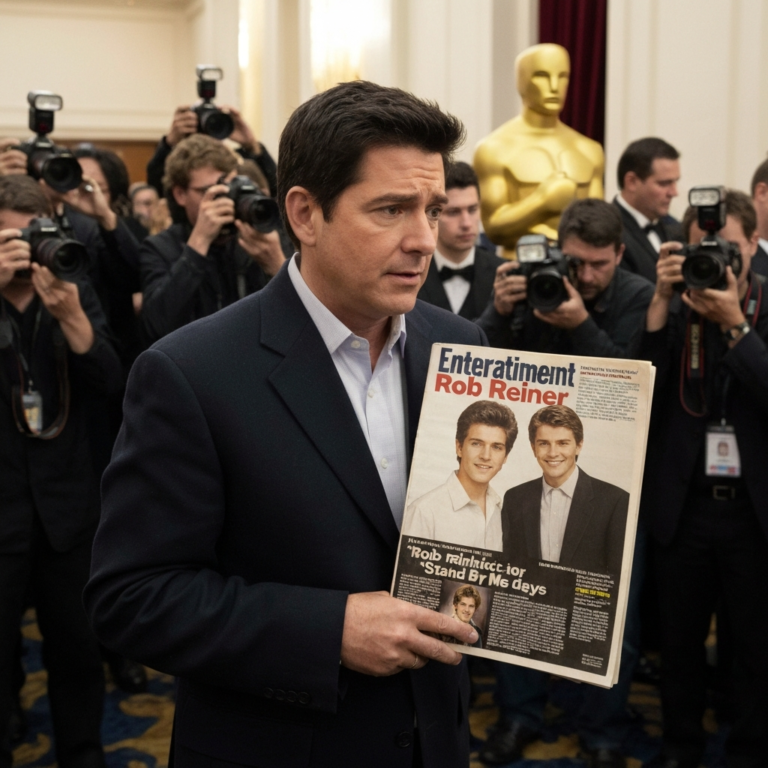
The latest pop-culture story: The 2026 Academy Awards spotlight a shifting Hollywood
While anniversaries like Fargo’s 30th birthday remind audiences how long certain films endure, the latest major story in pop culture is Hollywood’s present-tense awards conversation: the aftermath of the 2026 Academy Awards, where industry attention has centered on how studios, streamers, and prestige filmmakers are reshaping what counts as an “Oscar movie.”
This year’s Oscars conversation has underscored three major trends: the continued strength of auteur-driven filmmaking, the growing influence of streaming-backed distributors, and the Academy’s ongoing effort to balance global taste with traditional prestige fare. Coverage from outlets including the Academy, Variety, The Hollywood Reporter, and Deadline has emphasized how awards recognition is no longer just about box office performance or legacy studios. It is increasingly about cultural conversation, platform strategy, and long-tail audience engagement.
That matters because the old path to awards success used to be relatively straightforward: launch in theaters, build critical momentum, dominate fall festivals, and peak during voting season. Today, films compete in a fragmented ecosystem where theatrical releases, streaming premieres, social-media discourse, and international audience response all shape momentum. Recent reporting from Variety and Deadline shows that campaign strategy now extends far beyond screenings and trade ads; it includes digital discoverability, creator amplification, and cross-platform visibility.
Why this is the biggest current pop-culture development
The Oscars remain one of the few entertainment events that still function as a broad cultural thermometer. Winning films can see renewed box-office life, increased streaming viewership, and a major boost in talent leverage. According to reporting and awards analysis published by The Hollywood Reporter and Variety, this year’s field reflected an industry that is still recalibrating after years of disruption from the pandemic era, labor strikes, and the streaming wars.
One reason this story resonates beyond Hollywood is that awards seasons now serve as a proxy battle over what the movie business should be. Should studios prioritize theatrical exclusivity, or is day-and-date access now normal? Can globally oriented and formally daring films break through consistently with mainstream viewers? And are stars still the main selling point, or have directors, franchises, and online fandoms overtaken them?
Those questions are not abstract. They affect what gets financed, what gets distributed, and which stories reach audiences at scale. The Academy’s nominations and wins influence the kinds of projects executives greenlight next. That makes the Oscars not just an entertainment event but a window into the economics and identity crisis of modern filmmaking.
From Fargo to today: what hasn’t changed
The connection to Fargo is more than nostalgic. When the Coen brothers’ film won Best Original Screenplay and Frances McDormand won Best Actress, it validated a movie that was idiosyncratic, darkly funny, regional, and unmistakably authored. In other words, it represented the kind of distinct filmmaking that awards bodies still claim to value today.
That is why Fargo remains a useful benchmark in 2026. It shows that audiences and critics continue to reward specificity over bland universality. A film with a singular voice, memorable performances, and tonal boldness can outlast trend-driven hits. As streaming platforms and conglomerates flood the market with content, legacy titles like Fargo stand out even more clearly as examples of cultural durability.
Recent retrospectives from Entertainment Weekly and catalog coverage from major film outlets point to the same conclusion: lasting pop culture is built on craft, quotability, characters, and risk. That helps explain why cast reunions, anniversary pieces, and repertory screenings continue to generate interest for films released decades ago.
The bigger context: Hollywood’s prestige machine is evolving
Another key development in current pop culture coverage is the way prestige itself is changing. Awards contenders once relied heavily on elite critics, festival reception, and print-media narratives. Now, audience sentiment on social platforms, meme culture, and post-release streaming behavior all help define a film’s life cycle. Trade coverage from Deadline and The Hollywood Reporter has documented how marketing teams are adapting to this reality, creating campaigns that blend old-school prestige branding with internet-native promotion.
That shift cuts both ways. On one hand, more films can break through from outside the old studio hierarchy. On the other, the sheer volume of content makes it harder for any one title to dominate the public imagination the way older classics did. That may be why anniversary coverage performs so well: it offers a rare chance to revisit works that already proved their staying power.
In that sense, the latest pop-culture news is not just about winners and nominees. It is about a broader realization that Hollywood is still searching for a stable model in which theatrical success, streaming reach, awards recognition, and cultural permanence can all align.
Why readers should care
For audiences, this moment affects more than celebrity headlines. It shapes what kinds of movies get made and preserved. If the industry continues rewarding distinctive, filmmaker-driven work, viewers may keep getting films that feel as singular as Fargo. If not, prestige cinema risks becoming a branding exercise rather than a genuine artistic lane.
The enduring fascination with Fargo’s cast is a reminder that pop culture is not only about what is new. It is also about what lasts. And the latest awards-season developments suggest that, even amid platform upheaval and business-model uncertainty, Hollywood still depends on the same thing it always has: memorable storytelling that cuts through the noise.