

Sam Levinson’s emotional comments about Angus Cloud make this a clear Pop Culture story. The article centers on a major TV series, a late actor’s legacy, and the celebrity conversation surrounding Euphoria ahead of its new season.
Why this belongs in Pop Culture
The source material is focused on entertainment industry news: HBO’s Euphoria, creator Sam Levinson, actor Angus Cloud, returning cast members, premiere coverage, and celebrity reaction. While it touches on substance abuse and grief, the primary news angle is still television and celebrity culture rather than public health.
Latest Pop Culture News Analysis
One of the biggest currents in pop culture right now is how franchises and prestige TV shows are navigating loss, legacy, and audience expectation all at once. The new attention on Euphoria is not just about a season premiere — it is about whether a high-profile series can move forward after the death of a beloved actor whose character became central to the show’s emotional identity.
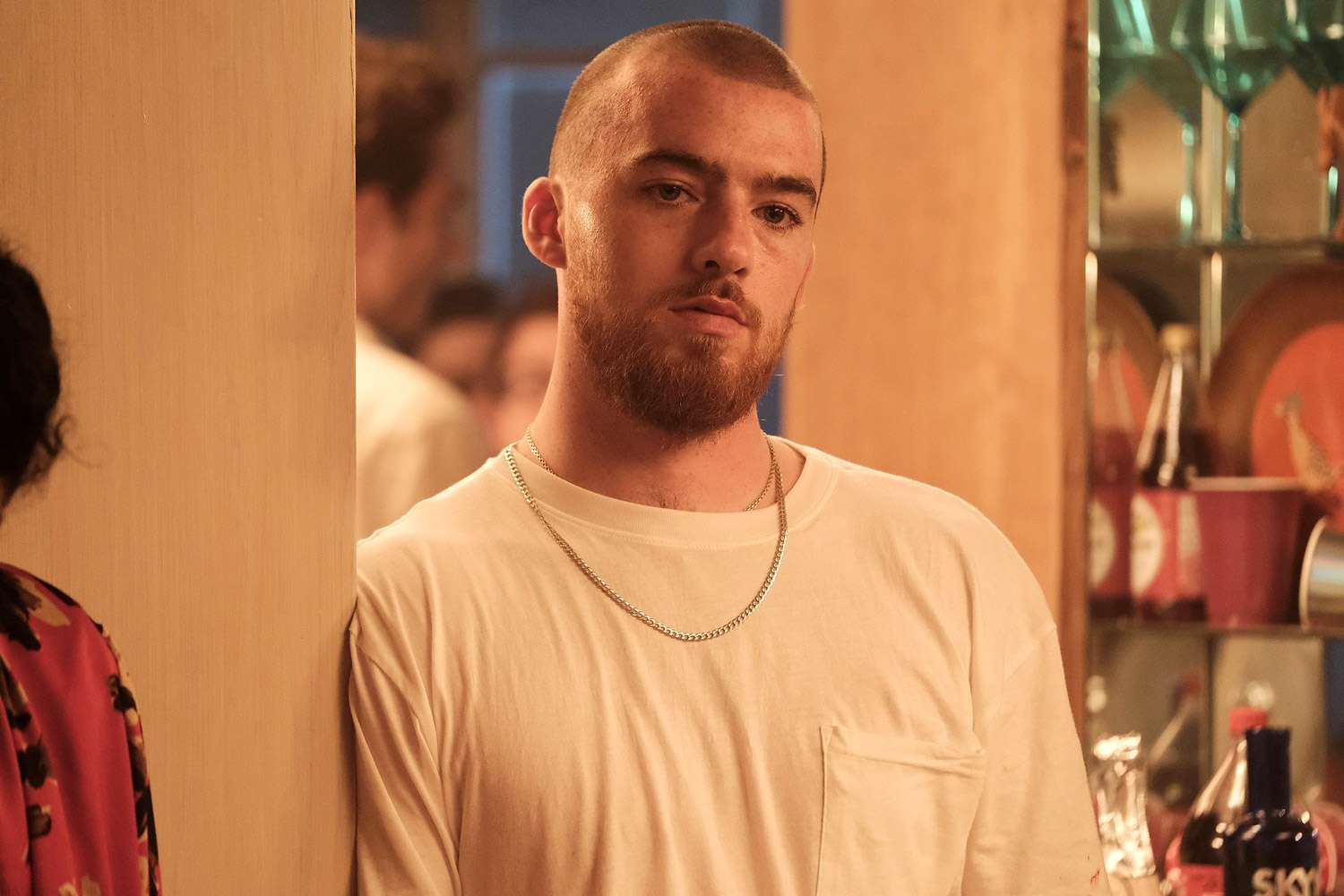
According to Entertainment Weekly, Sam Levinson said he “fought very hard” to help Angus Cloud while he was alive and later tried to preserve Cloud’s legacy in season 3. That framing immediately turns a standard premiere story into a broader cultural conversation about how Hollywood memorializes young stars after tragedy.
The timing also matters. Euphoria remains one of HBO’s most discussed modern dramas, with a cast that includes Zendaya, Sydney Sweeney, Jacob Elordi, Hunter Schafer, and others who now carry major celebrity power beyond the series itself. Coverage from HBO continues to position the show as a flagship title, while trade and entertainment outlets have closely followed production delays, cast scheduling, and the creative direction of the long-awaited third season.
Cloud’s death was previously confirmed as an accidental overdose, as reported by multiple outlets including Entertainment Weekly and widely covered across the entertainment press. In this new round of reporting, the cultural focus has shifted from the facts of the tragedy to the difficult question of remembrance: how should a show honor someone whose presence helped define it?
That question has become increasingly common across entertainment. Audiences no longer consume celebrity news as isolated updates; they connect on-screen storytelling with off-screen loss, studio decision-making, and public grief. In this case, Levinson’s remarks suggest that season 3 may function partly as tribute, which gives the premiere added emotional weight beyond the usual hype cycle.
At the same time, the Euphoria story also reflects a larger pop culture truth: television is now driven as much by personality ecosystems as by plot. Red carpet appearances, cast additions, social media reactions, and personal disclosures from stars all become part of the narrative. Coverage around Natasha Lyonne, Rosalia, Sharon Stone, and others at the premiere shows how modern entertainment journalism bundles fashion, celebrity identity, and series promotion into a single cultural event.
What makes this especially resonant is that Euphoria has always occupied a complicated place in culture. It is admired for style and performances, criticized at times for excess, and constantly debated for how it portrays youth, addiction, sex, and trauma. Cloud’s absence forces the show and its audience to confront those themes in real life, not just fiction.
From a broader industry standpoint, this latest development underscores how entertainment brands survive by evolving emotionally as well as creatively. If season 3 successfully honors Cloud without reducing his memory to a plot device, it may strengthen the show’s legacy. If not, audiences will likely notice. In today’s pop culture environment, viewers expect authenticity — especially when real grief is involved.
So while the headline starts with Sam Levinson and Angus Cloud, the larger story is about Hollywood itself: how it remembers, how it markets remembrance, and how fans decide whether that remembrance feels genuine.