
Why this belongs in Pop Culture
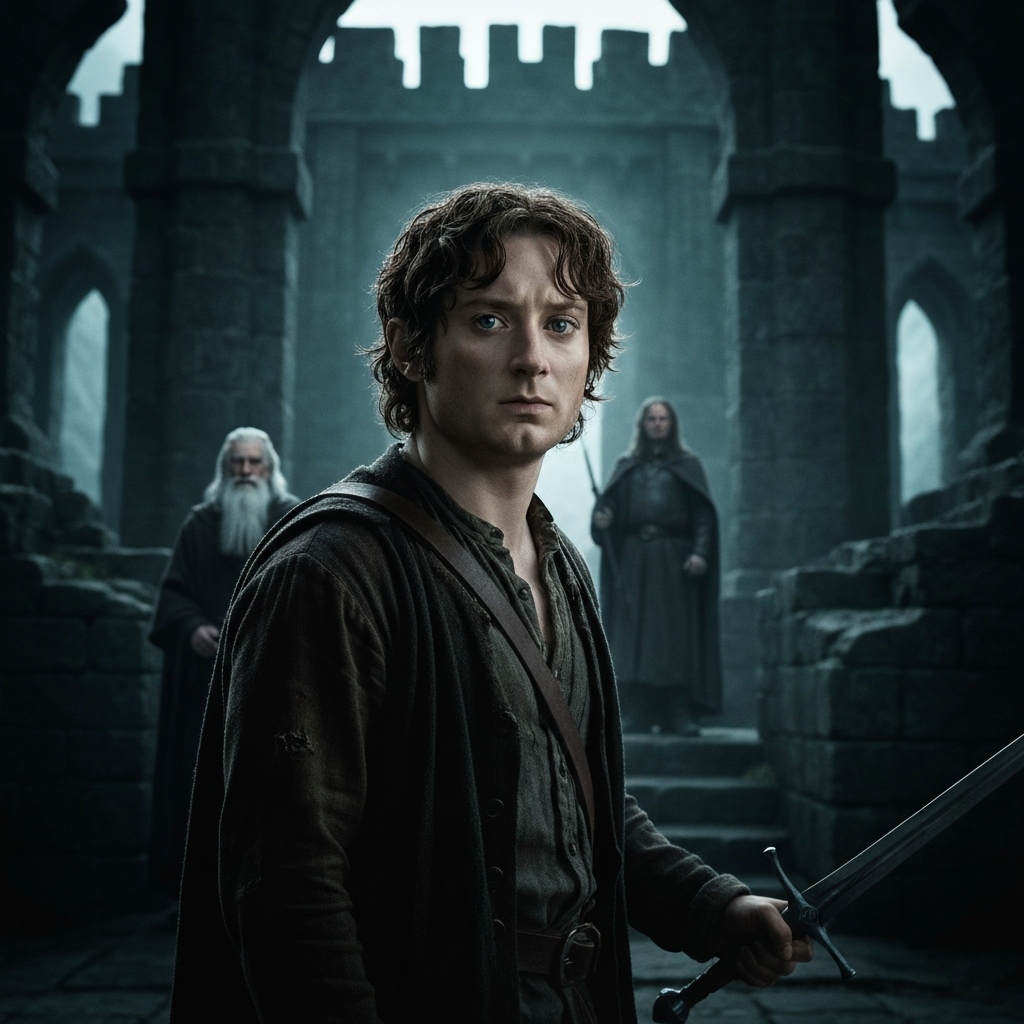
This RSS item squarely fits Pop Culture because it centers on a major entertainment franchise, celebrity casting speculation, fandom reaction, and the future of a beloved film series. The story is about Elijah Wood, Ian McKellen, Andy Serkis, and the ongoing cultural relevance of The Lord of the Rings universe.
Elijah Wood says Frodo should stay Frodo
Elijah Wood has added fresh intrigue to the next chapter of Middle-earth, suggesting there is a “good chance” he could return in The Lord of the Rings: The Hunt for Gollum, while making clear that he does not want another actor stepping into Frodo Baggins’ role as long as he is “alive and able.” The remarks, reported by Entertainment Weekly, immediately reignited fan speculation that Warner Bros. and New Line’s planned return to Middle-earth could become more than a standalone spinoff. It may also serve as a soft reunion for key cast members from Peter Jackson’s original trilogy.
Wood’s comments followed earlier public remarks from Ian McKellen, who teased that both Gandalf and Frodo are part of the upcoming film’s story. McKellen’s appearance at a London fan event, also covered by Entertainment Weekly, helped set off a fresh wave of nostalgia-driven excitement among longtime fans. Orlando Bloom has likewise said he would be open to returning as Legolas, according to EW, while Viggo Mortensen has indicated he would consider reprising Aragorn if the material and timing made sense, as reported by GQ.
The bigger story: Hollywood leans harder on proven franchises
Wood’s remarks are notable not only for what they suggest about casting, but for what they reveal about the current state of the film business. Studios continue to lean on legacy intellectual property to cut through audience fragmentation and box-office uncertainty. Warner Bros. Discovery formally announced in 2024 that Andy Serkis would direct The Hunt for Gollum, with Peter Jackson, Fran Walsh, and Philippa Boyens returning as producers, according to Variety. That alone signaled that the studio sees Middle-earth as one of its most bankable long-term franchise assets.
The strategy mirrors a broader industry pattern. In recent years, major studios have doubled down on recognizable worlds, from superhero universes to fantasy reboots to revived animated franchises. Franchise familiarity can help sell theatrical tickets in an era when streaming has trained audiences to wait at home. At the same time, reviving beloved worlds carries real creative risk. Fans often welcome continuity, but they are equally quick to reject projects that feel overly commercial or disconnected from the spirit of the originals.
That is why Wood’s framing matters. His comments suggested both excitement and caution: excitement at revisiting Middle-earth, and caution about preserving what made the original films resonate. That balance reflects the challenge facing every legacy sequel or franchise extension in 2026. It is no longer enough to revive a brand. Studios must convince audiences that a return is artistically justified.
What we know about The Hunt for Gollum
Official details remain limited, but several points are now clear. Warner Bros. Discovery’s film leadership confirmed that a new live-action Lord of the Rings movie is in development with Serkis directing and starring, while Jackson and his longtime creative partners are involved behind the scenes. Coverage from Reuters and The Guardian noted that the project was initially targeted for 2026 before shifting to a later release window. The current expectation, reflected in recent entertainment coverage, is a December 2027 debut.
The title strongly suggests the story will expand on the off-screen pursuit of Gollum referenced in Tolkien lore and in Jackson’s film continuity. That gives the filmmakers room to build a narrative that feels connected to the original trilogy without fully remaking familiar material. It also creates a plausible pathway for appearances by Gandalf, Aragorn, Legolas, or Frodo, depending on how broadly the story is framed.
Why fans are paying such close attention
Few fantasy franchises carry the same emotional weight as The Lord of the Rings. Jackson’s trilogy remains a benchmark for blockbuster filmmaking, world-building, and awards success. The Return of the King famously won 11 Oscars, tying the all-time record, according to the Academy Awards. More than two decades later, the cast still embodies these characters in the public imagination.
That is why Wood’s statement landed so strongly. Fans do not merely see Frodo as a role. They see Frodo as Elijah Wood’s Frodo. The same dynamic applies to McKellen’s Gandalf and, to a lesser extent, Bloom’s Legolas and Mortensen’s Aragorn. In a franchise built on emotional continuity, recasting can feel less like a routine production decision and more like a rupture in shared memory.
There is also a larger cultural factor at play: audiences are increasingly drawn to “event nostalgia.” Whether through reunion tours, rebooted sitcoms, legacy sequels, or revived fantasy sagas, entertainment companies are packaging collective memory as a premium experience. Middle-earth is one of the richest examples because it combines literary prestige, blockbuster history, and a fan base that spans generations.
The key question for 2027
The success of The Hunt for Gollum will likely hinge on whether it can deliver something more than recognition. Nostalgia may sell the first trailer, but story quality will determine whether the film becomes a worthy addition to the canon or just another franchise extension. The presence of Serkis and Jackson’s creative circle gives the project credibility. So does the apparent willingness of original cast members to return if the script justifies it.
For now, Wood has done exactly what any studio would hope for: he has kept the mystery alive while reassuring fans that the people most closely associated with Middle-earth still care deeply about protecting it. In a crowded franchise landscape, that may be the most valuable signal of all.
Sources: Entertainment Weekly; Entertainment Weekly; Entertainment Weekly; GQ; Variety; Reuters; The Guardian; Academy Awards.