
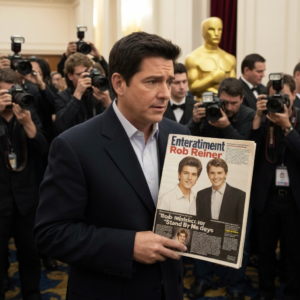



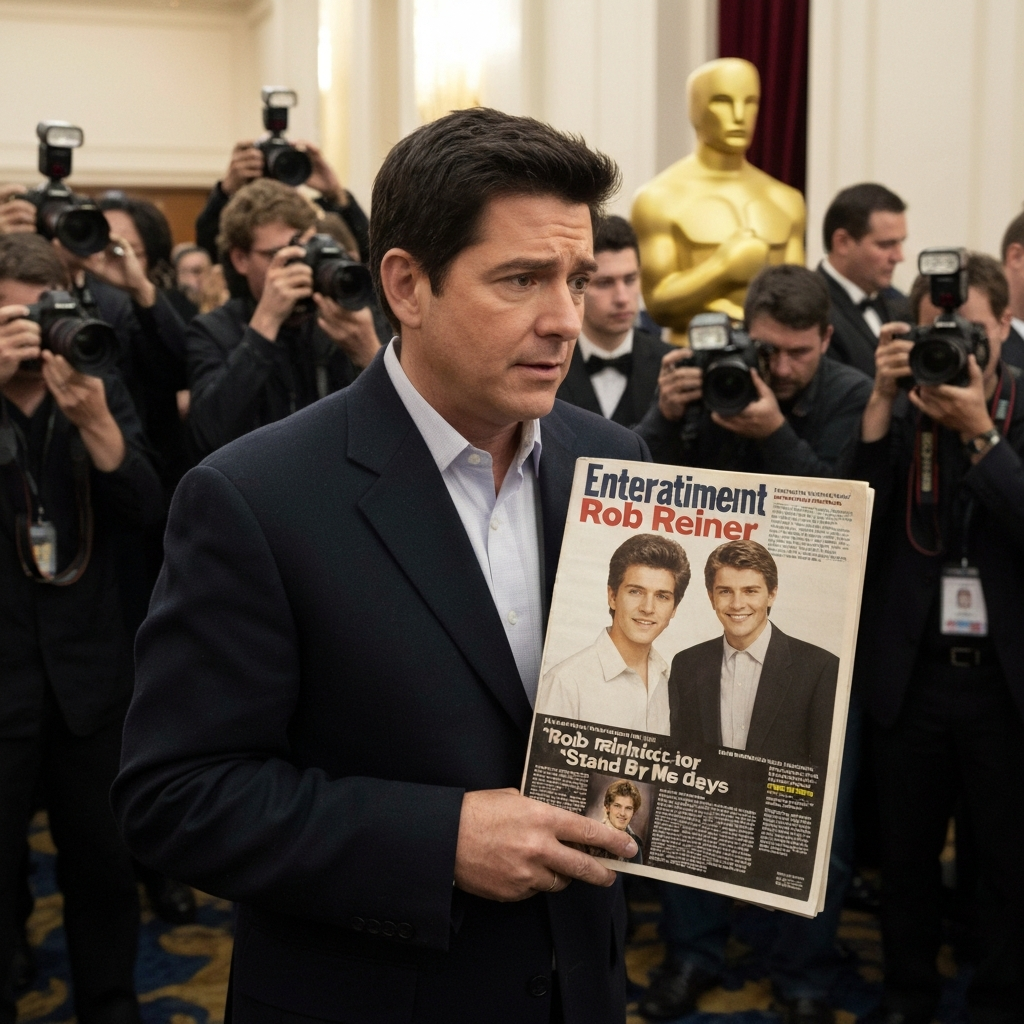
Corey Feldman says he was not invited to take part in the Academy Awards’ planned tribute to late filmmaker Rob Reiner, a decision that reportedly sparked backlash among some fans ahead of the 2026 Oscars. The story sits squarely in Pop Culture, blending celebrity reaction, awards-show controversy, and Hollywood legacy.
What happened
According to Entertainment Weekly, Feldman posted a public statement saying it was true that he had not been asked to participate in a segment honoring Reiner, who directed him in Stand By Me. Feldman said supporters should stop circulating petitions pushing for his inclusion, adding that the tribute should remain focused on Reiner’s memory rather than on him.
The report followed claims that the Oscars tribute was expected to include stars tied to Reiner’s best-known work, including performers from When Harry Met Sally and Stand By Me. EW reported that tensions rose after Feldman learned he was not part of that lineup.
Why this matters in Pop Culture
Awards shows are no longer just ceremonies; they are major cultural battlegrounds where decisions about who is included, excluded, or spotlighted can quickly become part of the story itself. In this case, the conversation reaches beyond Feldman alone. It touches on how Hollywood memorializes its legends, how legacy casts are assembled, and how celebrity histories can shape present-day public perception.
Reiner’s filmography gives the tribute unusual weight. He is associated with widely influential titles including Stand By Me, When Harry Met Sally, A Few Good Men, and The Princess Bride. Coverage from outlets such as the Academy and mainstream entertainment press has long underscored how tributes at the Oscars function as both remembrance and image-making. Even before the show airs, the choice of participants can become a statement about whose relationships and contributions are being elevated.
The broader entertainment-news backdrop
The Feldman-Reiner story lands at a time when awards-season coverage continues to blur the line between celebration and controversy. Recent reporting from major entertainment outlets including Variety, The Hollywood Reporter, and Deadline has shown that the biggest awards stories increasingly involve production choices, campaign narratives, public relations strategy, and fan response as much as the actual winners. In that environment, even a memorial segment can become headline material days before a broadcast.
That dynamic also reflects the modern social-media cycle. Celebrity statements now reach audiences directly and instantly, often shaping the coverage before an awards body or producers formally comment. Feldman’s public remarks framed the issue on his own terms: he acknowledged the exclusion, discouraged fan campaigning, and said he would honor Reiner separately. That response helped shift the tone from pure outrage to something closer to resignation and remembrance.
Context: Rob Reiner’s enduring legacy
Any Oscars tribute to Rob Reiner would carry major emotional and cultural significance because of the scope of his impact on film and television. Reiner first became widely known as an actor on All in the Family, before building one of the most recognizable directing careers of his era. His work helped define multiple genres, from coming-of-age drama to romantic comedy and courtroom drama. Reference points on Reiner’s career can be found through databases and archival film resources such as Britannica and IMDb.
That legacy is one reason the composition of a tribute matters so much. Fans often read these segments not just as memorials, but as condensed versions of a star’s place in Hollywood history. Which collaborators appear can subtly suggest which chapter of a career the industry considers most defining.
Analysis: inclusion, memory, and fan culture
The strongest takeaway from this episode is that memorials have become participatory public events. Fans do not simply watch; they advocate, debate, petition, and critique. That can create pressure on institutions like the Academy to satisfy not only artistic and logistical goals, but also emotional expectations from audiences who feel personally attached to a film’s cast and history.
At the same time, no tribute can include everyone connected to a major career. Producers inevitably make editorial choices. The controversy here reveals how difficult those choices have become in an era when every omission is immediately visible and publicly contested.
For now, the central story remains straightforward: Feldman says he was left out of a planned Oscars tribute to the director who helped shape one of his most famous roles, and the resulting debate has become an awards-season pop-culture flashpoint before the ceremony even begins.
Sources: Entertainment Weekly; Academy of Motion Picture Arts and Sciences; Variety; The Hollywood Reporter; Deadline; Britannica; IMDb.