



Category Selected: Pop Culture
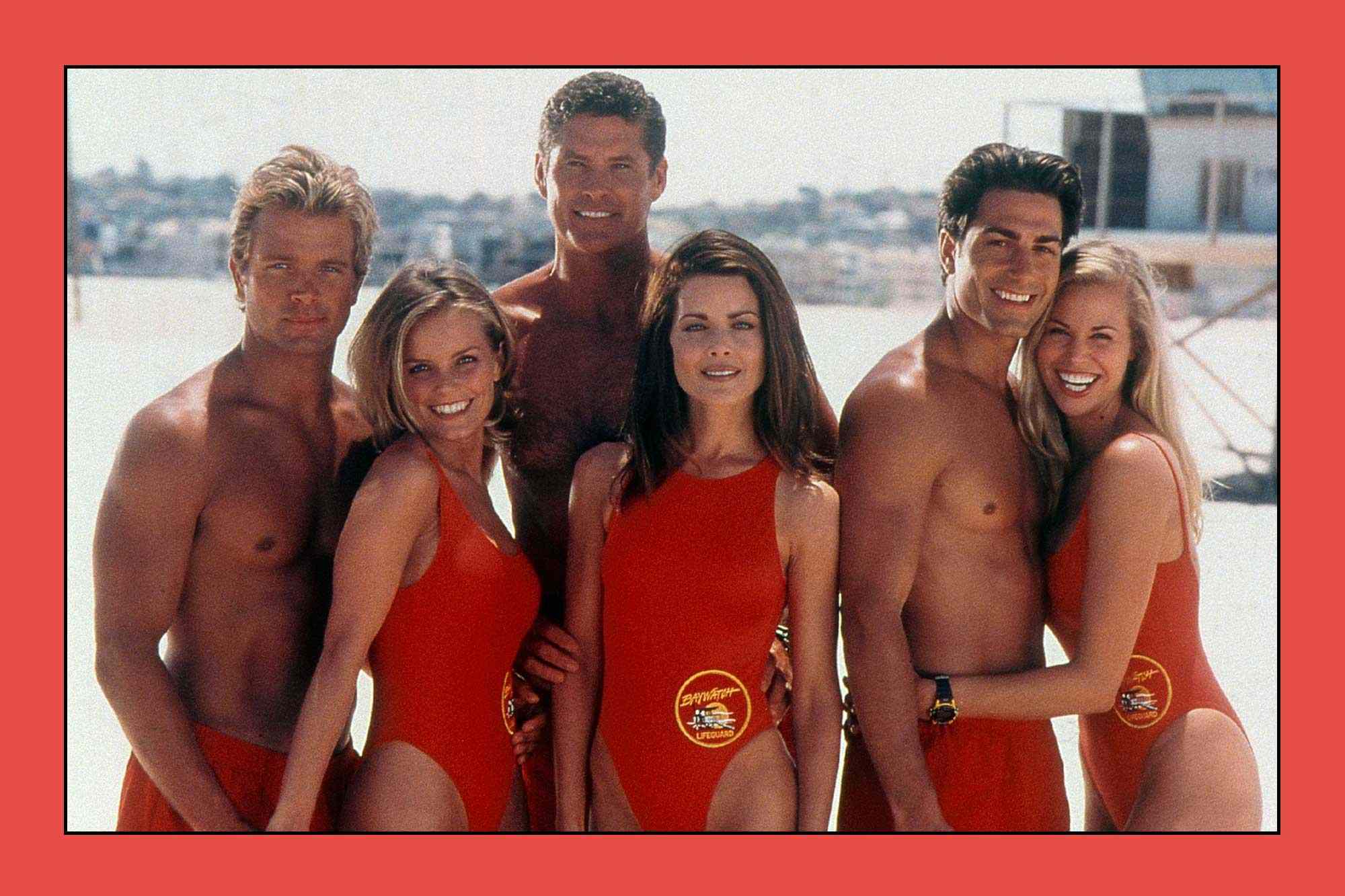
The RSS item is best classified as Pop Culture. It centers on the legacy of Baywatch, a major television phenomenon, and focuses on cast updates, celebrity careers, and reboot interest rather than politics, business, science, or sports.
Latest Pop Culture News: Franchise Reboots and Legacy TV Are Driving Entertainment Conversation
One of the clearest themes in current entertainment coverage is the continued revival of recognizable franchises. The Baywatch retrospective fits squarely into that trend: studios and networks are leaning on familiar intellectual property to attract fragmented streaming and broadcast audiences. That pattern is visible across television and film, where executives increasingly favor legacy brands with built-in recognition over riskier originals.
Recent reporting has highlighted how major media companies are investing in reboots, sequel series, and nostalgia-driven programming as they compete for attention in a crowded market. Coverage from The Hollywood Reporter, Variety, and Deadline has consistently shown that legacy titles remain central to development pipelines, especially when they can appeal to both older fans and younger viewers discovering them through streaming libraries.
That makes the renewed interest in Baywatch more than a simple celebrity catch-up story. It reflects a broader shift in pop culture economics: familiar titles are being repositioned as multi-generational brands. In this environment, a property once known for syndicated television dominance can be revived for a very different media era shaped by social clips, binge viewing, and global fan communities.
Why This Matters Now
Nostalgia is no longer a side effect of entertainment marketing; it is often the strategy itself. Media companies now operate in a landscape where audience attention is scarce, subscriber growth is harder to secure, and recognizable brands offer a safer promotional path. A rebooted series comes with preexisting awareness, searchable history, and years of cultural memory that can be reactivated through interviews, archives, and cast retrospectives.
At the same time, the success of this strategy is not guaranteed. Audiences have become selective. Reboots that merely recycle imagery often struggle, while projects that reinterpret the original through a contemporary lens tend to fare better. The challenge for any revived franchise is balancing fan service with relevance: what made the original famous may not be enough to sustain a new version.
In the case of Baywatch, that question is especially important. The show was once synonymous with glossy network-era spectacle, star-making celebrity culture, and international syndication power. A reboot today would have to contend with a much more self-aware audience, different standards around representation and body image, and stronger competition from prestige dramas, reality formats, and short-form social entertainment.
The Bigger Pop Culture Trend
The return of older entertainment brands also says something about how pop culture itself now functions. The boundary between past and present has weakened. A decades-old TV series can trend again because of a reboot announcement, a viral clip, a documentary, or a celebrity interview. Streaming platforms and digital archives have turned cultural memory into an always-available marketplace.
This creates a feedback loop. News outlets publish “where are they now?” features, fans revisit old episodes, clips circulate online, and studios gauge whether the property still has commercial life. In that sense, retrospective entertainment journalism is no longer just reflective coverage; it can actively help rebuild momentum around a franchise.
That is why the Baywatch story belongs in Pop Culture, and why it resonates now. It is not just about where Pamela Anderson, David Hasselhoff, and their co-stars ended up. It is about how modern entertainment keeps repackaging cultural memory into present-day programming decisions.
Context and Analysis
The modern reboot boom reveals both confidence and caution inside the entertainment business. Confidence, because companies believe certain titles still carry enormous emotional and commercial value. Caution, because relying on established properties can also signal an industry less willing to gamble on untested concepts.
For audiences, the effect is mixed. There is pleasure in revisiting iconic characters and revising old narratives for a new era. But there is also fatigue when every familiar title becomes a candidate for reinvention. The most interesting question is not whether nostalgia sells — it clearly does — but whether these revivals can add meaning rather than simply extend brand life.
If the next wave of legacy TV succeeds, it will be because creators understand that audiences want more than recognition. They want reinterpretation, sharper storytelling, and a reason the revival exists now. That is the standard any future Baywatch reboot will have to meet.