

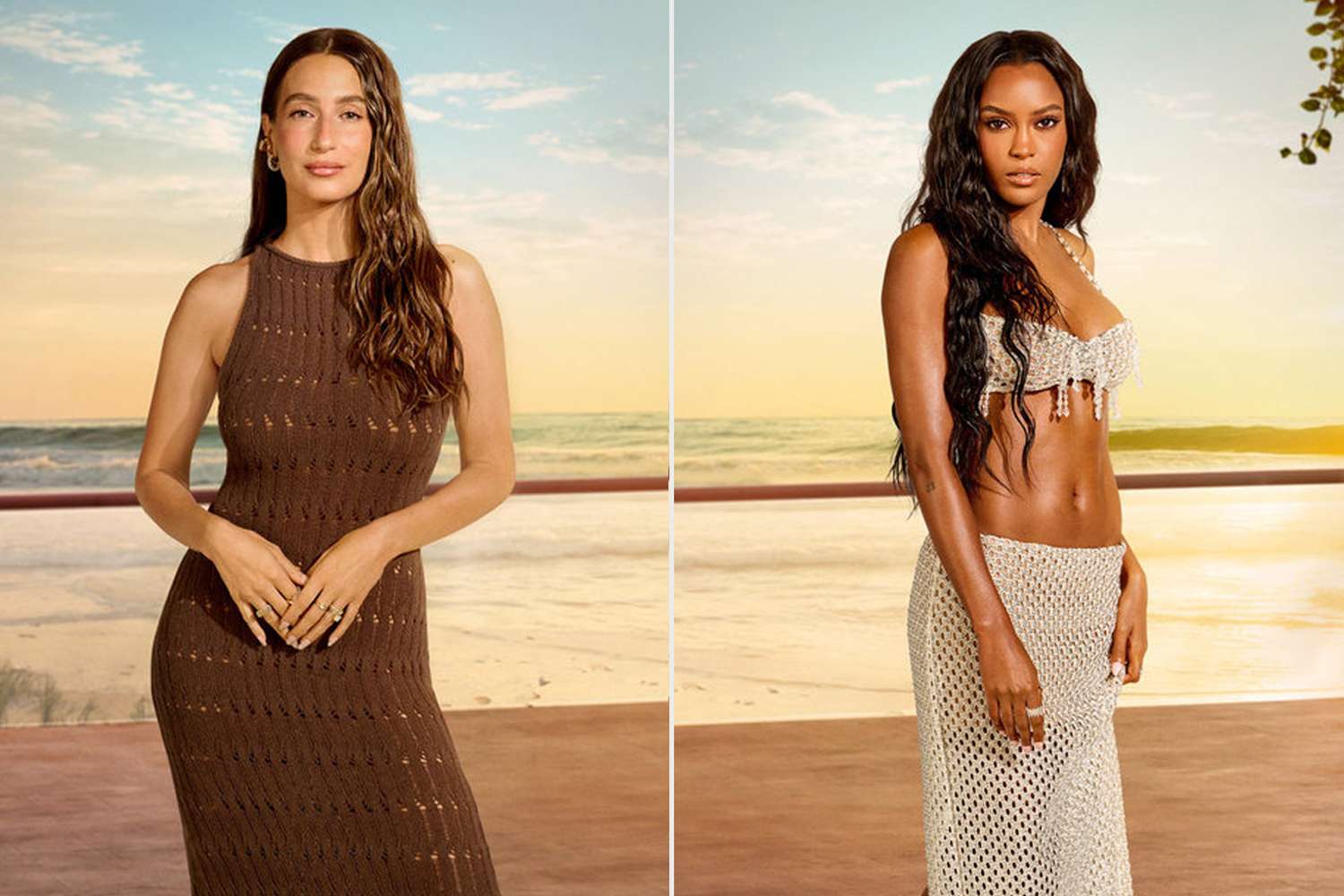
Alana Haim’s very public declaration that she is “Team Ciara” has turned a slice of reality-TV relationship drama into a wider pop-culture moment. The original report, published by Entertainment Weekly, centers on Haim’s appearance on Watch What Happens Live with Andy Cohen, where she wore a homemade shirt backing Summer House cast member Ciara Miller amid the swirl around Amanda Batula and West Wilson.
That makes this firmly a Pop Culture story: it sits at the intersection of celebrity fandom, Bravo reality television, social-media amplification, and the increasingly porous line between viewers, stars, and the entertainment news cycle.
Why this became bigger than a routine reality-TV feud
On its face, the story is straightforward. Haim reacted to a relationship storyline involving Ciara Miller, Amanda Batula, and West Wilson, and her comments quickly became part of the broader discourse around the show. But the reason it resonated is that Bravo fandom now operates like a real-time sports league for entertainment audiences: alliances form quickly, reaction clips spread across platforms, and even actors promoting unrelated projects can become headline-making participants.
Entertainment Weekly reported that Haim described herself as “very, very passionate” and argued that viewers watched Ciara confide in Amanda, making the apparent romantic development feel, in her words, like a betrayal. Her appearance followed a similar show of support from Jon Hamm, also noted by Entertainment Weekly.
That celebrity pile-on matters because it shows how reality television now feeds a broader entertainment ecosystem. The stars of scripted film and television are no longer just observers of unscripted culture; they are active participants in it, often helping push a niche franchise moment into mainstream conversation.
The larger trend: reality TV remains one of pop culture’s strongest engines
The timing also fits a broader industry pattern. Reality franchises continue to be some of the most durable properties in entertainment because they generate weekly conversation, spinoff coverage, memes, podcast recaps, and social engagement at a pace many scripted shows struggle to match. NBCUniversal’s Bravo slate remains central to that formula, with programming that consistently feeds digital commentary and fan communities across Instagram, TikTok, Reddit, and recap media.
Coverage from Bravo and discussion-driven aftershows like Watch What Happens Live are part of that loop: episodes create conflict, cast reactions sustain it, and celebrity guest commentary extends the lifespan of every storyline. In practical terms, that means a romance rumor or cast fallout is no longer just a plot point in one episode. It becomes an ongoing content stream.
How celebrity endorsements shape fan narratives
What stands out in this case is not merely that Haim voiced an opinion, but that she arrived prepared to make a statement with a custom shirt. That kind of performative fandom is now common in entertainment culture. Public figures increasingly treat reality-TV allegiance the way fans once treated playoff loyalty or awards-season campaigning.
The effect is twofold. First, it validates fans who have already taken sides. Second, it gives entertainment outlets a fresh angle that extends a story beyond the original cast. Once an A-list or high-profile celebrity comments, the narrative evolves from “what happened on the show?” to “who in Hollywood is backing whom?”
That helps explain why this story traveled. It was not just about Summer House. It was about the way pop culture now functions as a layered conversation between reality personalities, celebrities, talk shows, fan communities, and media outlets.
The promotional backdrop matters too
There is also a classic entertainment-industry dynamic at work: stars often reveal their pop-culture fluency while promoting new projects. Haim’s comments came as she discusses her film The Drama, according to Entertainment Weekly. That kind of crossover is useful for everyone involved. The celebrity appears relatable and internet-aware, the talk show gets a viral moment, and the publication gains a story that blends promotion with personality.
In 2026, that formula is more valuable than ever. Entertainment marketing is no longer limited to trailers, premieres, and magazine profiles. It now includes a celebrity’s ability to step into an existing fan conversation and move it forward.
What this says about the state of pop culture in 2026
The deeper takeaway is that pop culture is increasingly communal, reactive, and identity-driven. Viewers do not simply watch; they align, debate, repost, and interpret. Stars do not just promote; they participate. And entertainment journalism does not just recap; it maps the social meaning of these moments as they unfold.
That is why a T-shirt on a late-night Bravo set can become a legitimate entertainment news item. It reflects how audiences consume culture now: not passively, but through allegiance, commentary, and community.
For Bravo, this is the model working exactly as intended. For celebrities like Haim, it is a low-stakes but high-visibility way to connect with audiences. And for entertainment media, it is proof that the biggest pop-culture stories are often not the most consequential ones, but the ones that best capture how people talk about fame, loyalty, and spectacle in real time.
Sources
Entertainment Weekly: Alana Haim declares her “Summer House” allegiance with a homemade T-shirt
Entertainment Weekly: Jon Hamm weighs in on Summer House drama
Bravo TV official site