



The most appropriate category for this RSS item is Politics. While the post includes an international angle involving Russia, Iran, the U.S., and Israel, it also prominently features domestic public opinion on abolishing ICE, making the overall piece most aligned with political coverage.
Latest Politics News: Government shutdown fight intensifies in Washington
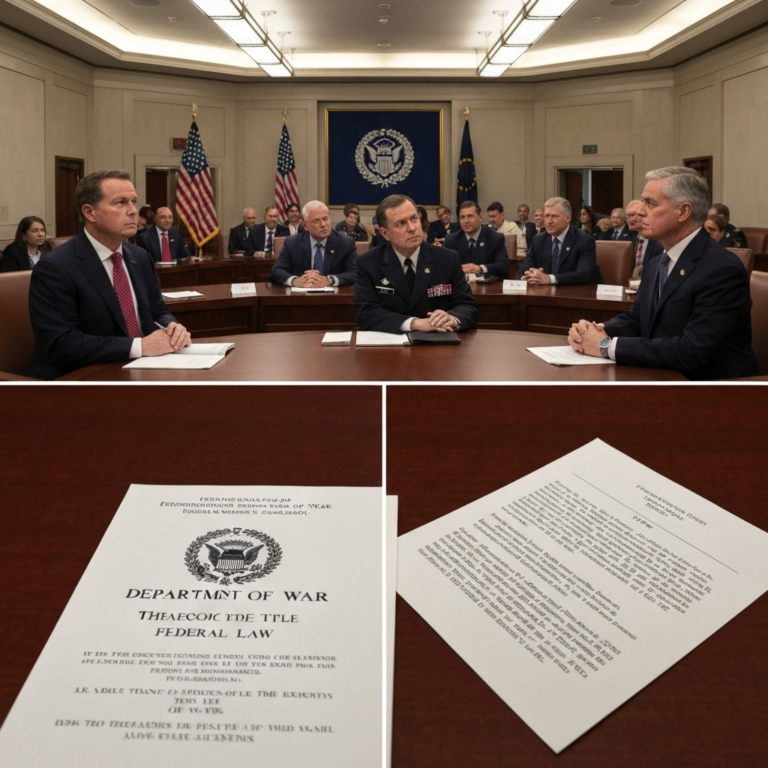
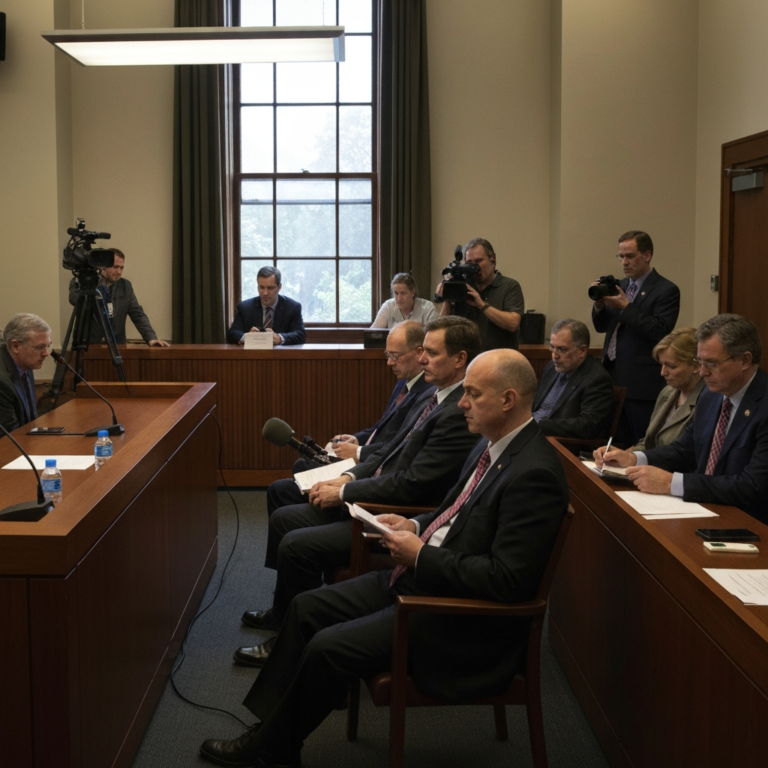
One of the biggest political stories developing now is the escalating budget battle in Washington as lawmakers work to avoid a government shutdown. Congress is facing another high-stakes funding deadline, with disputes centering on federal spending levels, border security, and aid priorities. The standoff reflects deeper partisan divisions that are shaping the 2026 political landscape and influencing voter sentiment heading into major federal and state races.
According to The Associated Press, congressional leaders have been scrambling to assemble a temporary funding package while factions in both parties push conflicting demands on immigration enforcement, domestic agency budgets, and defense outlays. Reuters has also reported that the negotiations have become a broader test of party discipline, especially as lawmakers seek to frame economic and national security issues in ways that resonate with voters.
The budget fight is not only about keeping the government open. It has become a proxy battle over the role of the federal government itself. Conservatives are pressing for tighter limits on discretionary spending and tougher immigration provisions, while many Democrats are resisting cuts to social programs and objecting to policy riders tied to enforcement measures. This helps explain why immigration agencies such as ICE remain central to political messaging, public polling, and media attention.
Why this matters now
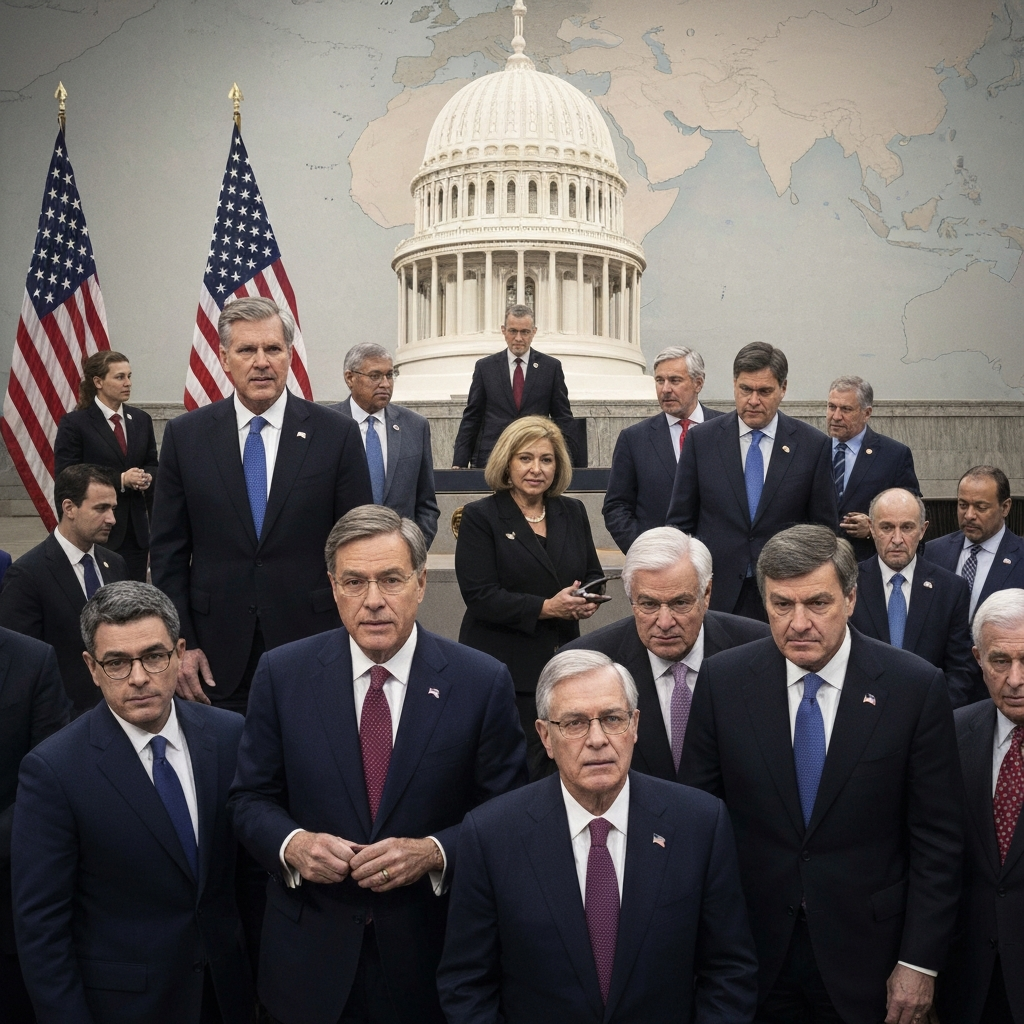
The politics surrounding ICE, border security, and U.S. foreign policy are increasingly interconnected. Immigration remains one of the most polarizing domestic issues in the country, and polling shifts on ICE suggest that even long-settled institutions can become flashpoints when public trust in government changes. At the same time, international crises involving Russia and the Middle East are influencing how voters evaluate U.S. leadership abroad.
That overlap is especially important in the current media environment. Foreign policy stories are no longer isolated from domestic politics. Statements from Russia about U.S. and Israeli actions in the Middle East can quickly become ammunition in broader debates over presidential leadership, military restraint, alliances, and energy security. Likewise, domestic polling on ICE can shape campaign narratives about law enforcement, border control, and civil liberties.
Broader political context
Recent coverage from Politico and The New York Times Politics shows that both parties are trying to nationalize these issues ahead of upcoming elections. Republicans continue to emphasize border security and public order, while Democrats are increasingly divided between moderates defending immigration enforcement in some form and progressives calling for major structural changes.
Meanwhile, the international backdrop adds another layer of uncertainty. Reporting from BBC News and Al Jazeera has highlighted how tensions involving Iran, Israel, Gulf states, and Russia could have economic and diplomatic spillover effects. If those tensions worsen, U.S. political leaders may face renewed pressure on defense posture, oil market stability, and alliance management, all of which can quickly become campaign issues at home.
Analysis
The defining feature of this political moment is convergence: immigration, foreign policy, congressional funding fights, and voter distrust are no longer separate conversations. They are feeding into one another. That makes stories like this especially significant, because they show how public opinion and geopolitical conflict can collide in a single news cycle.
If support for abolishing ICE is indeed rising, that signals a meaningful shift in how at least some Americans view federal enforcement institutions. But it does not necessarily mean there is a clear consensus on what should replace them. In the same way, criticism from Russia over Middle East conflict may intensify diplomatic friction, but it also lands in a U.S. political culture already primed to interpret global events through partisan lenses.
In short, the latest developments suggest that politics in 2026 is being defined less by isolated issues and more by overlapping crises. The leaders who can explain those connections clearly may have the advantage as the national debate continues.
Sources
Associated Press
Reuters
Politico
The New York Times Politics
BBC News
Al Jazeera