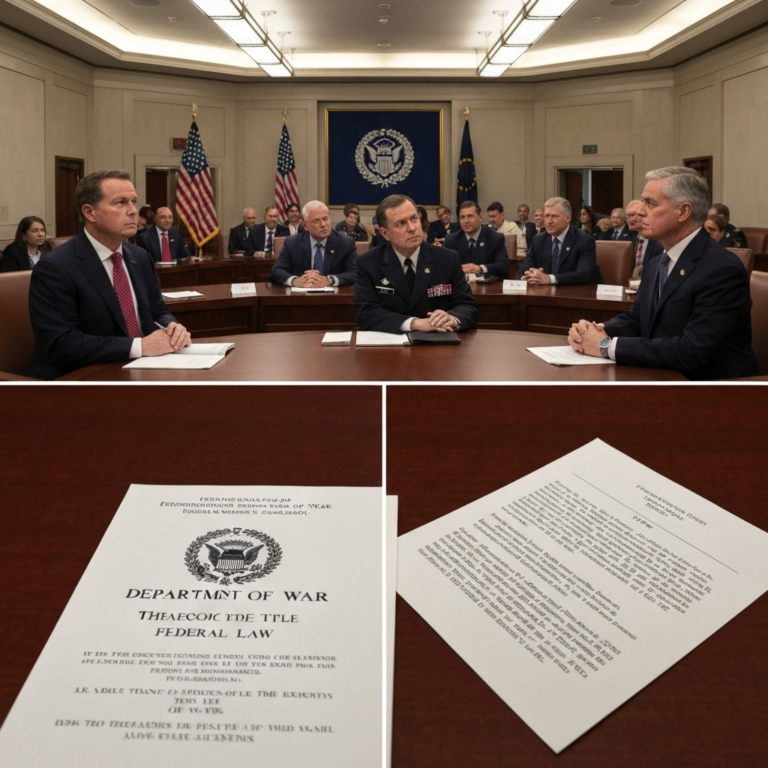




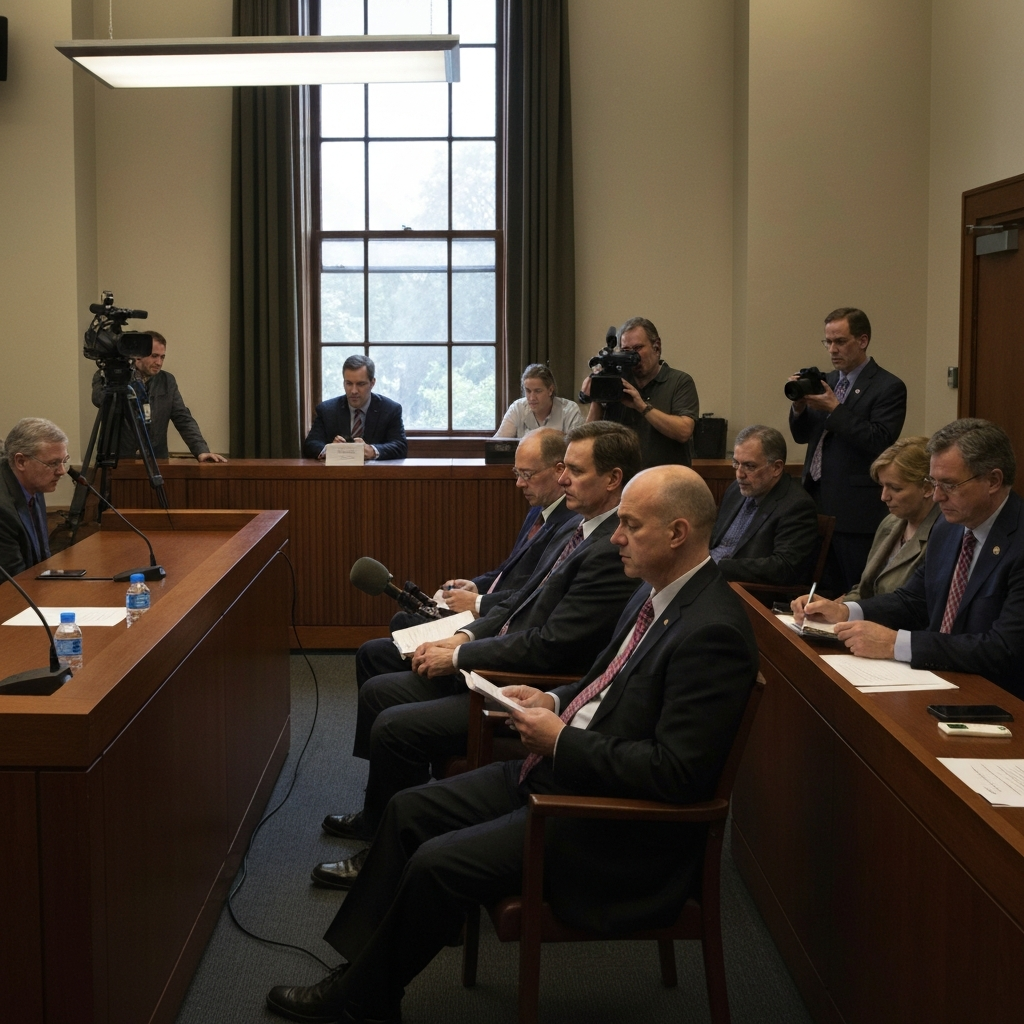
A legal fight over press freedom and government transparency is moving into a critical phase as arguments begin in a lawsuit challenging the Pentagon’s new media rules. The case centers on whether the Department of Defense can require credentialed journalists to avoid reporting even unclassified information unless it has been approved for public release by department officials.
Pentagon policy sparks First Amendment concerns
The dispute began after the Pentagon rolled out a new press policy requiring members of the Pentagon press corps to sign an agreement restricting what they can report from inside the building. According to reporting from Straight Arrow News, journalists who refused to sign risked losing their credentials.
The policy drew immediate resistance from a wide range of major news organizations, including The New York Times, The Washington Post, CNN, Reuters, NPR and several major television networks. Critics say the rules function as a gag order by forcing reporters to rely only on information the government has explicitly approved for release, even when the material is not classified.
The New York Times escalated the fight by filing suit, arguing the restrictions interfere with routine newsgathering and could chill aggressive reporting on one of the federal government’s most powerful agencies. The Pentagon, meanwhile, has defended the policy as a reasonable security measure. NBC News reported that the case has drawn fresh attention as the Defense Department manages sensitive military developments tied to Iran and broader regional tensions. See NBC News for additional reporting.
Why this matters now
The timing of the court hearing is significant. The Pentagon remains at the center of several major national security storylines, including military operations, U.S. force posture in the Middle East and debates in Washington over defense spending and executive authority. Restricting access to journalists during such a period raises broader questions about democratic oversight.
Press access battles are not new, but the Pentagon case reflects a wider trend in U.S. politics: institutions increasingly trying to control how information reaches the public. The legal outcome could help define the balance between national security claims and the press’s role in scrutinizing government decisions.
Broader political backdrop
The press-freedom dispute is unfolding alongside a period of intense legal and political conflict in Washington. In recent months, national political coverage has focused heavily on executive power, court challenges to federal policy and disputes over how agencies communicate with the public. Coverage from Reuters and The Associated Press shows that transparency, administrative authority and constitutional limits remain central themes across multiple branches of government.
That makes the Pentagon lawsuit more than just a media-access story. It is also a test of whether federal institutions can impose prior restraints in practice without formally calling them that. If courts side with the challengers, the ruling could reinforce protections for journalists covering not only defense but also intelligence, homeland security and other high-stakes agencies. If the government prevails, other departments may feel emboldened to adopt similar restrictions.
Analysis: a case with implications beyond the Pentagon
At its core, this case is about who gets to decide what the public can know about government activity. National security concerns are real, and classified information is already protected by law. The controversy here is the attempt to extend control over unclassified information and routine reporting interactions. That distinction is why the case is drawing attention far beyond media circles.
For the public, the stakes are practical. Pentagon reporting shapes understanding of wars, military readiness, procurement, civilian oversight and taxpayer spending. A reporting environment in which journalists must seek advance approval before publishing information could weaken accountability at precisely the moments it is needed most.
Whatever the court decides, the lawsuit is likely to become a key reference point in future battles over press access and government secrecy. In a political climate already marked by institutional distrust, the outcome may help determine whether transparency norms remain resilient or continue to erode.
Sources
Straight Arrow News: Arguments begin after Defense Department restricts press access at the Pentagon
NBC News: Federal judge weighs Pentagon press access dispute
Reuters U.S. News
Associated Press Politics