


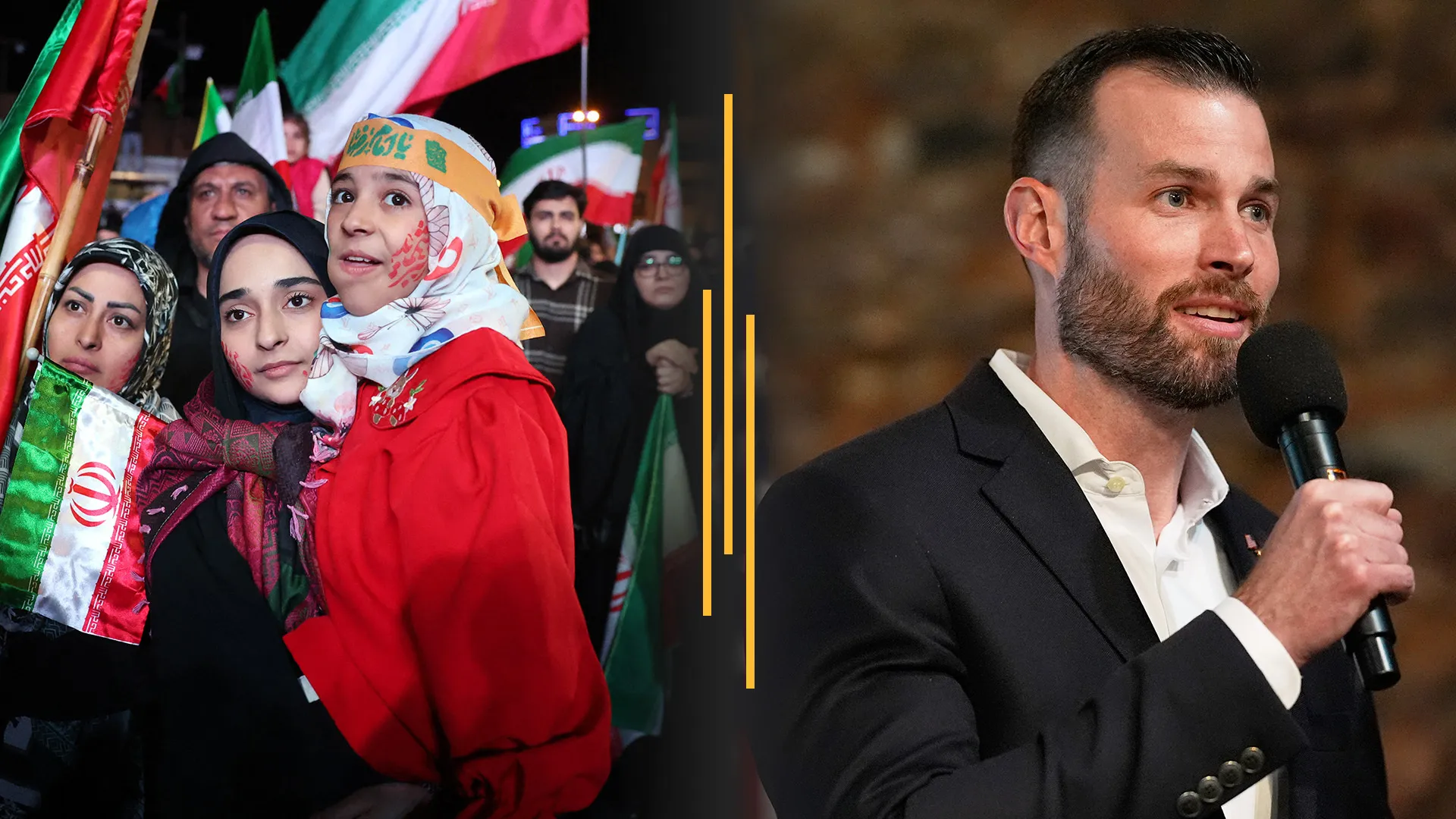
The most appropriate category for this RSS feed post is World, because the lead and most consequential developments center on the U.S.-Iran ceasefire, regional stability, shipping through the Strait of Hormuz, Vatican reaction, and fallout across the Middle East.
Here is a WordPress-ready article based on the latest world news angle tied to that category.
U.S.-Iran Ceasefire Holds for Now, but the Real Test Is Still Ahead
A fragile two-week ceasefire between the United States and Iran is holding, offering a temporary pause after days of escalating confrontation that rattled energy markets, raised fears of a broader regional war, and put one of the world’s most critical shipping lanes back in focus.
While the immediate danger appears to have eased, the bigger question is whether this truce can evolve into something more durable — or whether it simply marks an intermission in a much wider conflict.
According to Straight Arrow News, President Donald Trump said the ceasefire followed talks involving Pakistan and came after Iran signaled that shipping may resume through the Strait of Hormuz. Iran’s foreign minister also indicated that defensive operations would pause and that the military would coordinate passage during the ceasefire window.
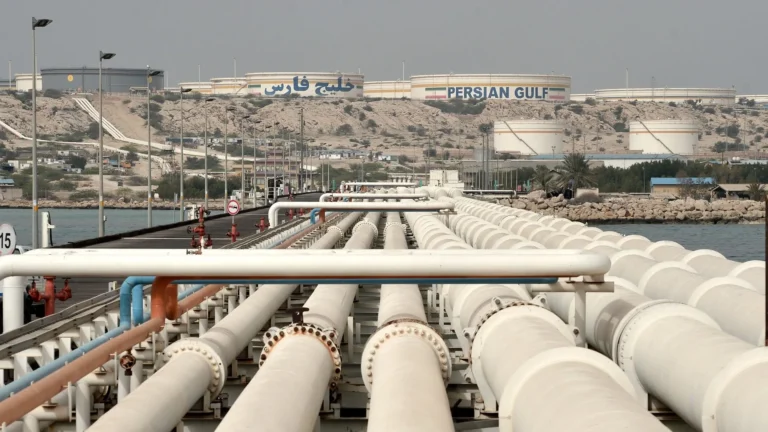
The Strait of Hormuz remains the central pressure point. Roughly a fifth of the world’s oil consumption typically passes through the narrow waterway, making any disruption there a global economic issue, not just a regional one. The U.S. Energy Information Administration has repeatedly described Hormuz as one of the world’s most important oil chokepoints. That helps explain why oil prices fell and stock futures rose as news of the ceasefire spread.
Markets, however, may be getting ahead of the facts. Even if formal hostilities have paused, security in and around the strait remains deeply uncertain. Iran’s role in managing safe passage may itself become a source of tension, particularly if Western governments or commercial shippers question whether escorts, inspections, or transit guarantees can be trusted.
That uncertainty is compounded by the fact that the ceasefire does not resolve the wider network of regional conflicts. Fighting linked to Iranian-backed groups and Israel’s parallel military operations in neighboring theaters continue to keep the Middle East on edge. In practice, that means one miscalculation — a militia attack, a naval incident, or a retaliatory strike — could quickly undo the current pause.
There is also the political dimension. Pakistan’s invitation for follow-up talks in Islamabad suggests there may be a diplomatic path forward. But ceasefires are easier to announce than to enforce. Long-term success would likely require not only a halt in direct U.S.-Iran confrontation, but also some mechanism for handling proxy activity, maritime security, and the competing red lines of Israel, Gulf states, and Tehran.
The humanitarian and moral backlash is also growing. The Associated Press reported that Pope Leo XIV condemned Trump’s threat toward Iran as “truly unacceptable,” emphasizing that attacks on civilians and infrastructure violate international law. His criticism reflects a broader concern shared by many international observers: even when strategic logic dominates state decision-making, civilian populations often bear the greatest burden.
That concern is especially relevant in Iran, where state messaging, public protests, and visible efforts to defend infrastructure all point to a society under enormous strain. A ceasefire may reduce immediate military pressure, but it does not erase the psychological, economic, and political aftershocks of brinkmanship.
For the United States, the ceasefire may offer a short-term political win by reducing the risk of immediate war while calming markets. For Iran, it may provide breathing room and a chance to avoid deeper damage. But for the wider world, the real story is what happens next in the Strait of Hormuz and whether diplomacy can move faster than escalation.
If shipping resumes smoothly and talks in Islamabad produce even a limited framework for deconfliction, this ceasefire could become the foundation for a broader regional reset. If not, the world may soon find itself back where it started — watching the Gulf, oil markets, and military posturing with renewed alarm.
Sources
- Straight Arrow News – Iran deal pauses fighting, Hormuz control looms; GOP wins Georgia seat
- U.S. Energy Information Administration – Strait of Hormuz remains a critical oil chokepoint
- Associated Press – Pope condemns Trump threat on Iran
- Reuters – Pope Leo calls Trump’s threat against Iran unacceptable
- CNN – Oil and markets react to U.S.-Iran ceasefire news