

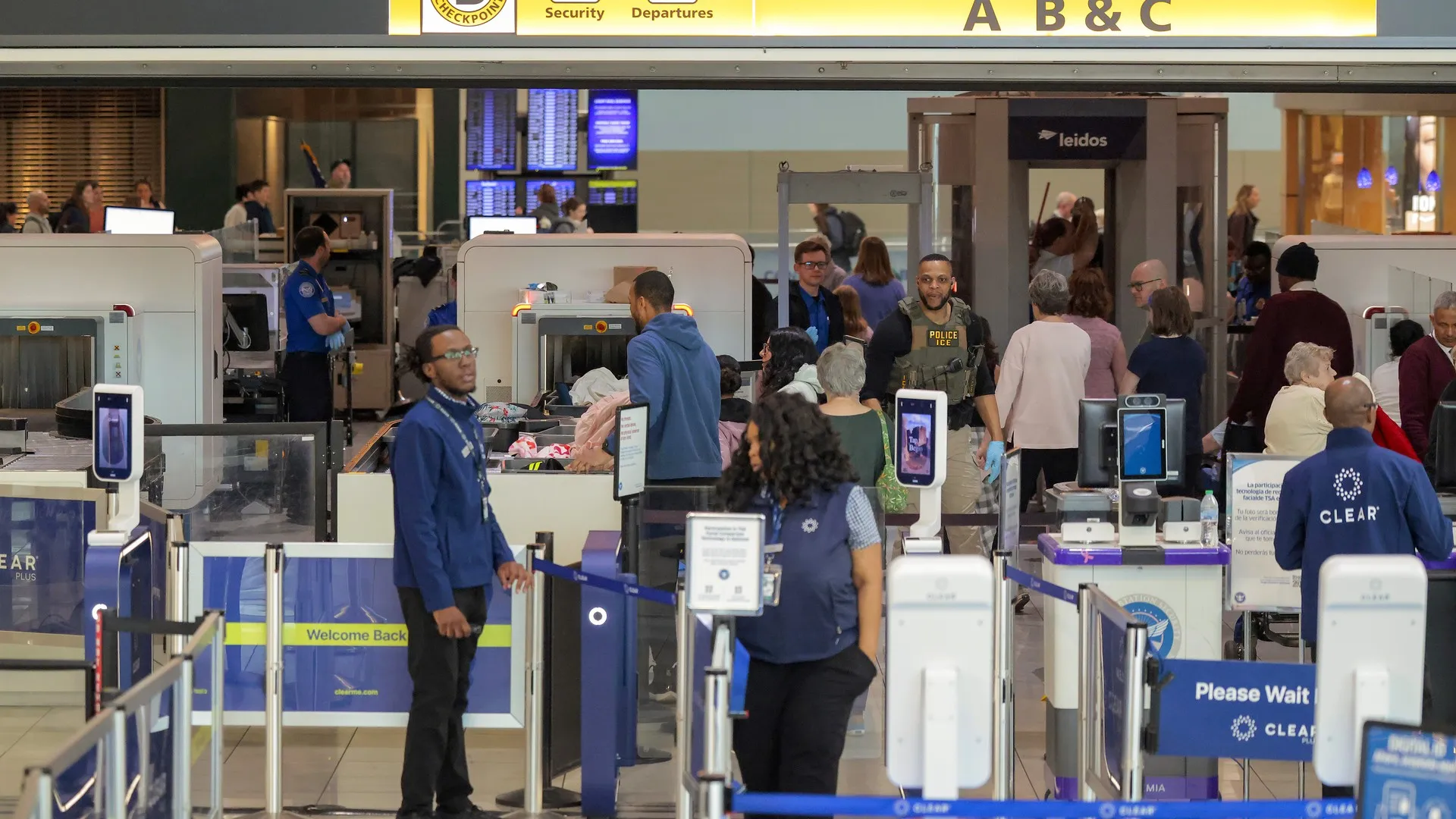
Sen. Tammy Duckworth’s call for the Transportation Security Administration (TSA) to scrap its newer “shoes-on” airport screening policy squarely places this story in the political arena. While the issue touches aviation security and public safety, the central development is a U.S. senator publicly challenging a federal agency’s policy and raising potential legal and oversight concerns.
Why this TSA fight is becoming a political flashpoint
Duckworth, the ranking member of the Senate subcommittee overseeing aviation, is urging the TSA to reverse a policy change that allowed many travelers to keep their shoes on during screening. According to reporting from CBS News and the original item published by Straight Arrow News, Duckworth argues that internal watchdog findings showed the updated procedure may create a security gap.
Her criticism is not just about airport lines or convenience. It is about whether the Department of Homeland Security and the TSA responded appropriately to inspector general findings, and whether federal rules for corrective action were followed. That makes this more than a transportation story — it is a story about government accountability, congressional oversight, and how public agencies balance efficiency with security.
Latest developments in U.S. politics shaping the broader backdrop
The TSA dispute is landing at a moment when federal oversight, agency transparency, and public trust are all under heavier political scrutiny. Across Washington, lawmakers in both parties have continued pressing executive agencies to justify rule changes, explain enforcement decisions, and demonstrate that internal watchdog recommendations are being taken seriously.
That trend has been especially visible in homeland security, border policy, aviation, and infrastructure protection — areas where a single procedural change can quickly become a larger political argument about competence and risk.
Recent coverage from major outlets including Reuters, The Associated Press, and The New York Times Politics has shown a continued pattern: lawmakers are increasingly using letters, hearings, inspector general reports, and public statements to challenge how federal agencies implement policy. In that sense, Duckworth’s push fits into a broader Washington playbook — elevate an operational issue into a political accountability test.
What this means for travelers and policymakers
For travelers, the immediate question is simple: does keeping shoes on make airport screening less safe? The TSA has argued that newer technology and layered screening protect passengers while making checkpoints more efficient. But critics say that if screening tools are not reliably detecting threats in footwear, then convenience could be coming at the wrong price.
For policymakers, the issue is larger. If Congress believes TSA leadership failed to respond adequately to inspector general concerns, the next steps could include formal inquiries, document requests, public hearings, or pressure to revise screening procedures. That is often how technical policy disputes turn into durable political controversies.
The bigger political lesson
This episode highlights a familiar tension in government: every modernization effort promises speed and efficiency, but elected officials are often left to answer for what happens if those promises fall short. Duckworth’s challenge to the TSA reflects a broader mood in Washington, where oversight is no longer treated as a routine exercise. It is increasingly being used as a frontline political tool.
Whether the TSA ultimately keeps or reverses the shoes-on policy, the political stakes are now higher. Once a senator frames a security change as “reckless,” the debate moves beyond airport procedure and into the realm of public trust, bureaucratic accountability, and the role of Congress in policing executive action.
Sources: