



A BBC News video featuring a health campaigner arguing that many women “grow up with pain as a part of their lives” points to a wider and fast-moving health story: renewed scrutiny of how medicine recognizes, studies, and treats pain experienced by women. The issue reaches beyond individual diagnosis to research gaps, delayed treatment, and the normalization of symptoms linked to menstruation, reproductive health, and chronic conditions.
Why this is a health story
The most appropriate category for this item is Health. The original report focuses on women’s pain, public health awareness, and how lived experience influences diagnosis and treatment. That places it squarely in the health and medical policy space rather than politics, science, or culture.
Latest developments in women’s health and pain care
Recent reporting and public-health coverage show growing attention on several overlapping issues: chronic pain, endometriosis, menopause care, and persistent sex-based gaps in medical research. Health institutions and news organizations have highlighted that women are more likely to have pain minimized or misattributed, while some conditions can take years to diagnose.
For example, the UK’s NHS guidance on endometriosis notes that symptoms can include severe period pain, pain during or after sex, painful bowel movements, and fertility problems. The condition is common, yet diagnosis can be delayed because painful periods are often treated as routine rather than investigated.
The World Health Organization has also stressed that endometriosis affects roughly 10% of women and girls of reproductive age globally, underscoring that debilitating pain should not be normalized. WHO says the condition can cause severe pain, fatigue, depression, anxiety, and infertility, while access to diagnosis and treatment remains uneven.
In the United States, broader concern about women’s health research has intensified. The White House announced a women’s health research initiative aimed at accelerating federal focus on conditions that disproportionately affect women or are understudied. That effort reflects a wider recognition that medical evidence has historically not always captured women’s symptoms, treatment responses, or diagnostic timelines well enough.
The deeper problem: pain that gets normalized
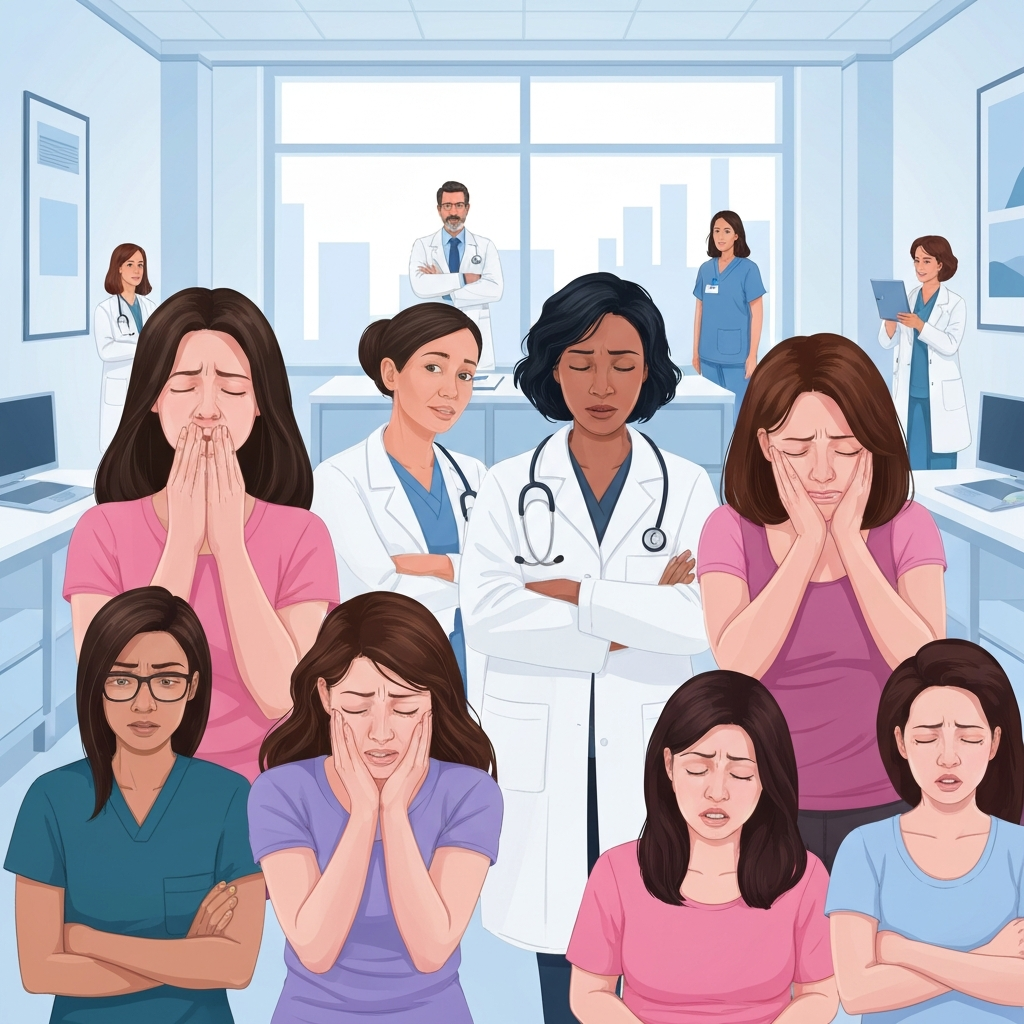
What makes the BBC item especially resonant is its central observation: many women are socialized to expect pain and endure it. That can begin early with menstrual pain and continue through pregnancy, postpartum recovery, perimenopause, and menopause. Over time, discomfort may be framed as ordinary, inevitable, or psychological instead of as a signal requiring serious evaluation.
That normalization can have real consequences. A patient who has been told for years that pain is “just part of life” may delay seeking care. A clinician working under time pressure may also be more likely to miss a pattern that points to a chronic or treatable condition. The result is not just frustration but, in some cases, disease progression and reduced quality of life.
Why the current moment matters
The latest health coverage suggests that women’s pain is increasingly being discussed not as an isolated complaint but as a systems issue. Better awareness campaigns, more open patient testimony, and renewed institutional interest in women’s health research are helping push the topic into the mainstream. That does not guarantee rapid change, but it does mean the discussion has shifted from whether the problem exists to how health systems should respond.
That response is likely to require several things at once: earlier screening for conditions associated with chronic pain, more training for clinicians on sex-specific presentation of disease, stronger research funding, and greater willingness to treat severe pain as medically significant even when standard tests are initially inconclusive.
What patients and providers can take from this
The emerging consensus from public-health agencies and major health institutions is clear: recurring or severe pain should not be dismissed simply because it is common. Frequency does not make suffering harmless. If the latest reporting is having an impact, it is because it reframes a familiar experience as a legitimate health concern deserving evidence-based care.
The BBC clip captures that change in simple terms. When pain becomes so embedded in everyday life that it is accepted as normal, diagnosis can come late and support can come later still. The newest wave of health reporting is helping challenge that cycle — and pushing medicine to listen more carefully.