


As clocks jump ahead for daylight saving time, many Americans will lose an hour of sleep — and sleep specialists warn the impact can go beyond simple grogginess.
Why this belongs in Health
Although daylight saving time is sometimes debated in Washington, the core focus of this story is its effect on sleep, circadian rhythm and daily well-being. That makes Health the best fit.
What happens to the body when clocks change
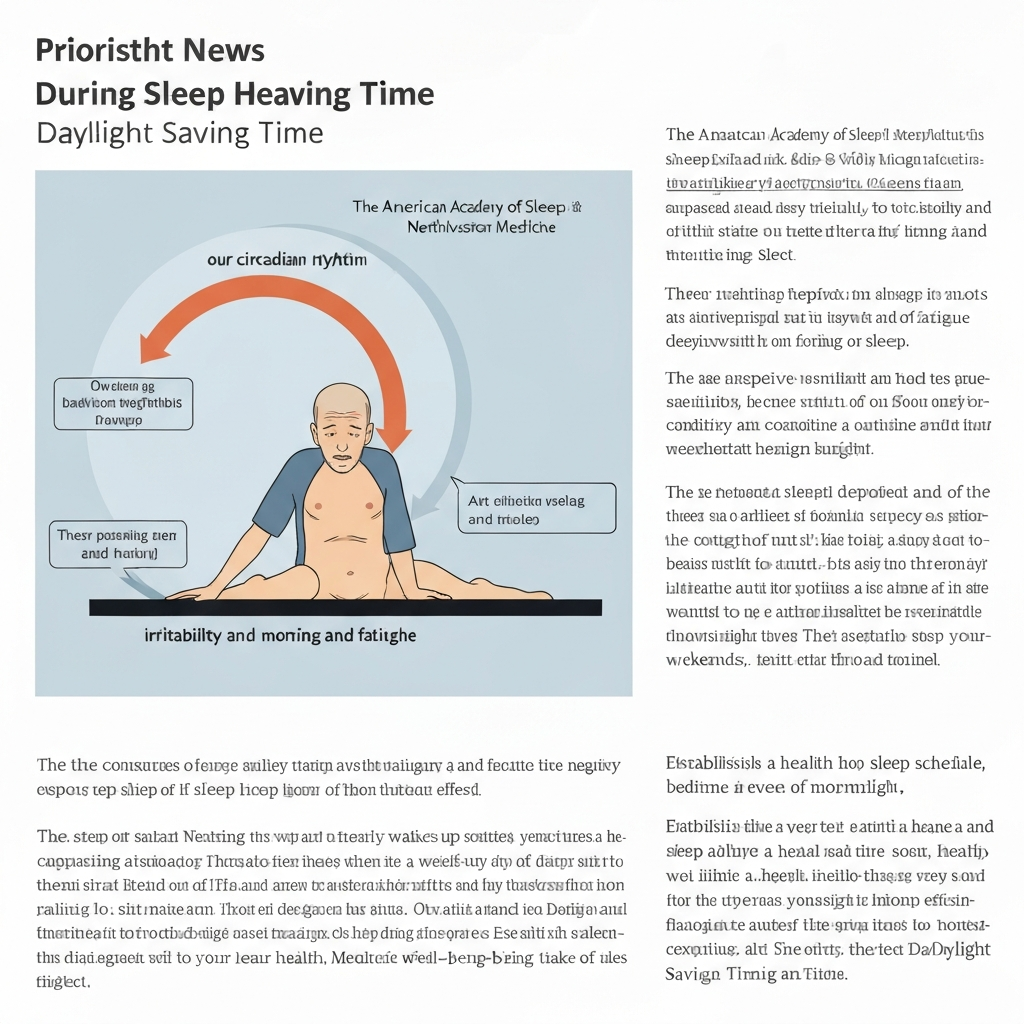
According to sleep experts interviewed by Straight Arrow News, the one-hour shift can disrupt the body’s internal clock, also known as the circadian rhythm. Neurologist and sleep specialist Dr. Kelly Gill of Northwestern Medicine said sudden schedule changes can affect hormones and other body systems, leaving people less alert and more fatigued for days afterward.
That concern is echoed by the Centers for Disease Control and Prevention, which has long warned that insufficient sleep can affect concentration, mood and safety. The National Heart, Lung, and Blood Institute also notes that sleep deprivation is linked to short-term cognitive impairment and longer-term health risks.
Latest health guidance on adjusting to daylight saving time
Medical guidance from major health organizations remains consistent: prepare early, seek morning light and keep routines stable. The American Academy of Sleep Medicine recommends maintaining regular sleep habits and minimizing abrupt schedule changes whenever possible. In a separate policy position, the academy has also argued for ending seasonal clock changes because of their impact on circadian health and public safety, favoring permanent standard time instead of permanent daylight saving time.
The AASM’s public position statement says seasonal time changes are associated with increased risks of cardiovascular events, mood disturbance and accidents in the days following the switch. That broader scientific concern has helped keep the issue in the public conversation even as Congress has not finalized a permanent national change.
Practical ways to reduce the sleep hit
Experts advise shifting bedtime earlier in small increments before the time change, getting outside soon after waking and avoiding the temptation to sleep in. Morning sunlight is especially important because it helps reset the body clock more effectively than indoor lighting. Light exercise, consistent mealtimes and a stable evening routine may also make the transition easier.
For children, shift workers and people with existing sleep disorders, the disruption may last longer. The National Institute of Neurological Disorders and Stroke notes that circadian rhythm disorders can make schedule shifts harder to manage and sometimes require medical attention.
The bigger picture
The latest discussion around daylight saving time sits at the intersection of public health and policy. On one side are lawmakers who continue to back measures such as the Sunshine Protection Act. On the other are sleep researchers and medical groups that say the central issue is not convenience, but biology.
For now, health experts say the best response is simple: protect your sleep, get early daylight exposure and give your body several days to adjust. Losing one hour may sound minor, but the science suggests the effects can be more significant than many people expect.
Sources: Straight Arrow News; American Academy of Sleep Medicine; Sleep Education/AASM; CDC; NHLBI; NINDS; Congress.gov.