



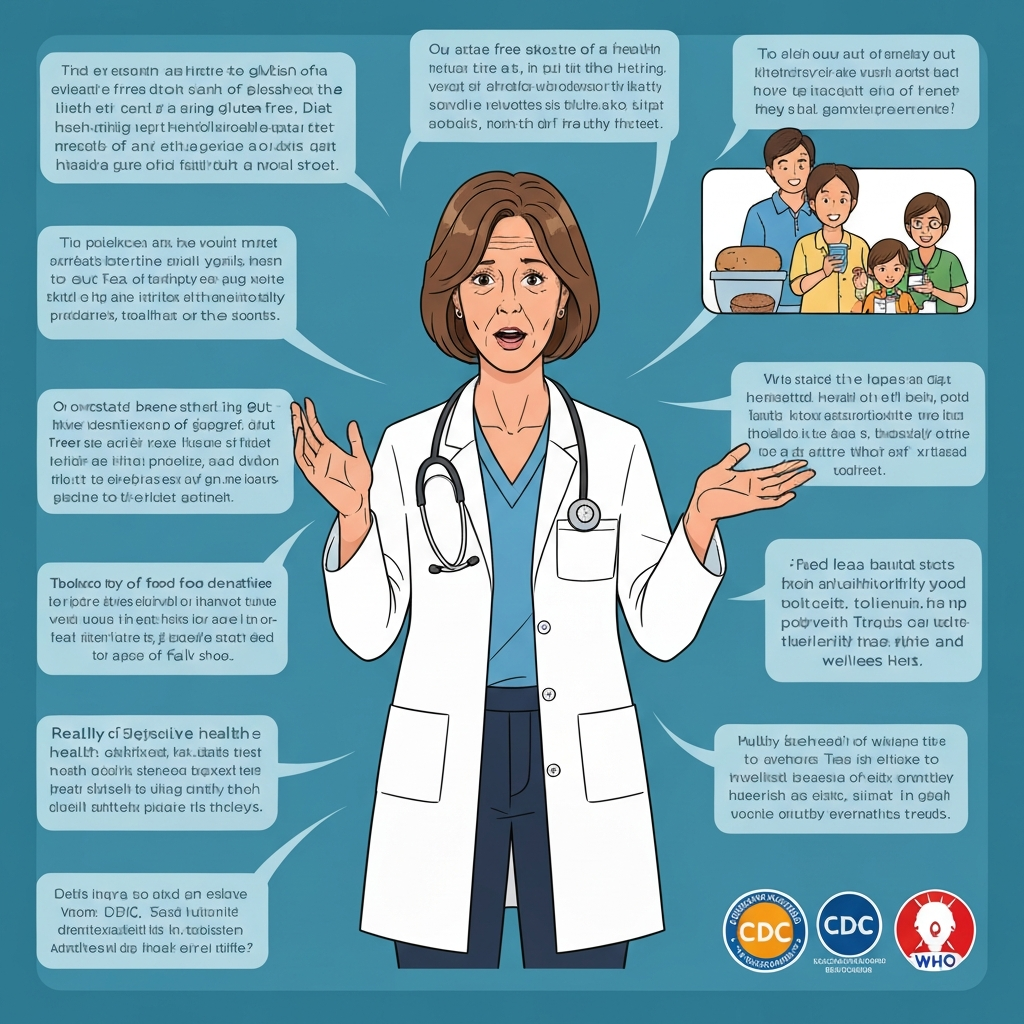
Many popular gut-health trends promise better digestion, more energy and a “cleaner” body. But gastroenterologist Dr. Faiza Bhatti says several of the most heavily marketed solutions — including probiotics, gluten-free diets, detox teas and at-home food sensitivity tests — are often oversimplified, misunderstood or unnecessary for many people.
Why this story belongs in Health
This article is clearly a Health story because it centers on digestive wellness, medical guidance, nutrition claims and evidence-based advice from a physician about consumer health trends.
What the doctor says about probiotics, gluten and detox products
According to the report from Straight Arrow News, Bhatti warns that probiotic supplements are not a daily necessity for most people. While they may help in some circumstances — such as after antibiotics or in select gastrointestinal conditions — changing the gut microbiome without a clear reason can also trigger bloating, constipation or diarrhea.
She also challenges the widespread belief that gluten is inherently harmful. For most people, she says, gluten-containing whole grains can be part of a healthy diet and may provide fiber and B vitamins. Avoidance is medically important for people with celiac disease, wheat allergy or non-celiac gluten sensitivity, but not for everyone else.
Bhatti is similarly skeptical of detox teas, describing them as laxatives rather than products that “cleanse” the body. She also cautions consumers against many at-home food sensitivity panels, especially those based on IgG antibodies, which major medical organizations have said should not be used to diagnose food intolerance.
Latest Health news: measles cases continue to draw national attention
One of the most closely watched recent U.S. health stories has been the rise in measles cases and the renewed public health focus on vaccination coverage. The Centers for Disease Control and Prevention has continued to publish updates on measles activity, while the World Health Organization warns that measles remains one of the world’s most contagious viral diseases and can spread quickly in under-vaccinated communities.
Public health experts have stressed that measles outbreaks often reflect gaps in routine immunization rather than a failure of the vaccine itself. The CDC notes that the measles, mumps and rubella vaccine remains highly effective at preventing infection and serious complications. Coverage declines that began during the pandemic have left some communities more vulnerable, creating the conditions for outbreaks when imported cases occur.
Context: misinformation is shaping multiple health conversations
There is a broader thread connecting the gut-health story and the latest measles coverage: health misinformation and consumer confusion. In one case, patients are being sold wellness products with sweeping claims about cleansing, sensitivity testing or microbiome optimization. In the other, public health agencies are working to counter persistent falsehoods about vaccine safety and necessity.
The common challenge is that modern health information is often filtered through social media, influencer marketing and targeted advertising before it reaches patients. That can make anecdote appear equal to evidence. Organizations such as the CDC, National Institutes of Health and major medical specialty societies continue to emphasize that treatment and prevention decisions should be grounded in clinical evidence, not trend cycles.
Why this matters now
Bhatti’s warning arrives at a moment when Americans are spending heavily on supplements, elimination diets and diagnostic kits that may not improve outcomes. At the same time, basic public health tools such as vaccinations, physician-guided screening and evidence-based dietary advice remain among the most effective interventions available.
The takeaway from both stories is straightforward: when it comes to health, newer or trendier is not always better. Products labeled “detox,” “clean,” or “immune-boosting” may attract attention, but reliable guidance still depends on clinical research, individualized care and consultation with qualified medical professionals.
Sources
Straight Arrow News: Gut check: Doctor explains why some popular health trends miss the mark
CDC: Measles Cases and Outbreaks
WHO: Measles fact sheet
National Institutes of Health