



The most appropriate category for this RSS item is Health, as the central issue is a food safety alert involving possible norovirus contamination and public health guidance from regulators.
FDA warns consumers after shellfish recall tied to possible norovirus risk
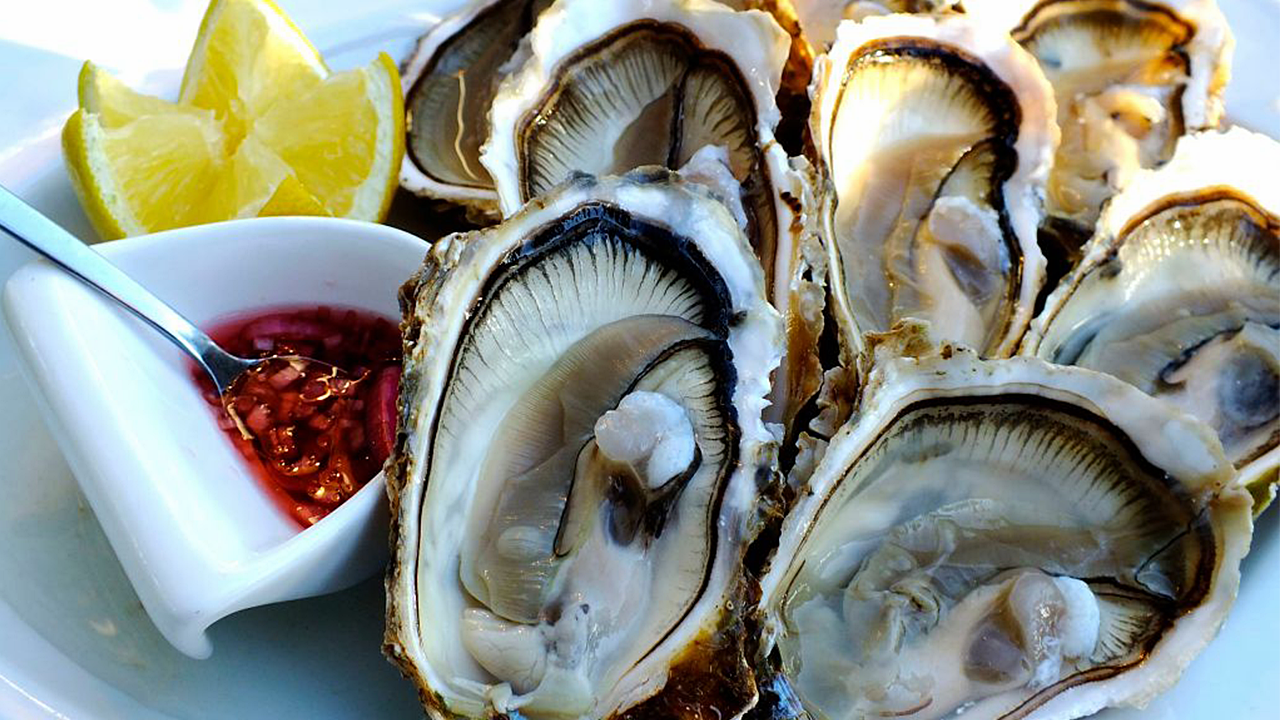
The U.S. Food and Drug Administration has announced a recall involving Manila clams and raw oysters harvested in Washington state after concerns that the shellfish may be contaminated with norovirus, a highly contagious virus that can cause gastrointestinal illness. According to the FDA, the affected clams were distributed to restaurants and retailers in at least nine states — Arizona, California, Florida, Georgia, Illinois, Nevada, New York, Oregon and Washington — while the recalled oysters were distributed in Washington state. The agency said distribution may have extended further as the investigation continues. Source: U.S. Food and Drug Administration.
The shellfish were harvested from Drayton Harbor, Washington, between February 13 and March 3. The FDA said restaurants and retailers should not serve or sell the products and should instead dispose of them or coordinate destruction through distributors. The agency also warned that shellfish can spread pathogens through cross-contamination if food preparation surfaces and equipment are not properly sanitized. That detail is significant because norovirus outbreaks often extend beyond the originally contaminated food when kitchens fail to contain spread. Source: FDA norovirus guidance.
Why norovirus remains one of the most disruptive foodborne illnesses
Norovirus is often referred to as the “stomach flu,” though it is not related to influenza. The Centers for Disease Control and Prevention says it is the leading cause of vomiting, diarrhea and foodborne illness in the United States. Symptoms typically begin 12 to 48 hours after exposure and can include nausea, vomiting, stomach pain, fever, headaches and body aches. Most people recover within one to three days, but the illness can be more severe for older adults, young children and people with weakened immune systems.
Raw or undercooked shellfish are a known transmission risk because oysters and clams can filter viruses and bacteria from contaminated water. The CDC has repeatedly warned that shellfish harvested from polluted waters can carry norovirus even when the product looks and smells normal. That is one reason recalls of this kind are treated seriously by health authorities: consumers cannot reliably detect contamination on their own. Source: CDC food safety guidance on raw shellfish.
Context: food recalls are becoming more visible, but rapid alerts can limit harm
This recall also reflects a broader trend in food safety communication. In recent years, federal and state health agencies have become faster and more public-facing in issuing alerts through online advisories, retailer notices and traceability investigations. That does not necessarily mean food risks are rising across the board; in many cases, it means agencies are improving how quickly they identify affected lots and notify the public. The FDA’s traceability initiatives and enforcement modernization have increased scrutiny across the food supply chain, especially in seafood, produce and ready-to-eat items. Background: FDA Food Traceability Rule.
For consumers, the latest shellfish recall is a reminder that foodborne illness prevention depends not just on regulators and distributors, but also on personal precautions. Public health experts generally advise avoiding raw shellfish if you are immunocompromised or at elevated risk of severe illness. Restaurants, meanwhile, face pressure to maintain strict sourcing records and sanitation standards so that recalls can be handled quickly and contamination does not spread inside kitchens.
What happens next
The FDA said it is still awaiting additional distribution details and will continue monitoring the situation. If more states, product lots or illnesses are identified, the advisory could expand. Consumers who believe they may have eaten the recalled shellfish and are now experiencing symptoms are being urged to contact a healthcare provider and notify their local health department. For now, the clearest takeaway is simple: recalled shellfish should not be eaten, sold or served, and anyone handling potentially affected products should take cross-contamination risks seriously.
Sources: