




This story is developing and may be updated as more details emerge.
February Jobs Report Signals a Weaker Start to 2026
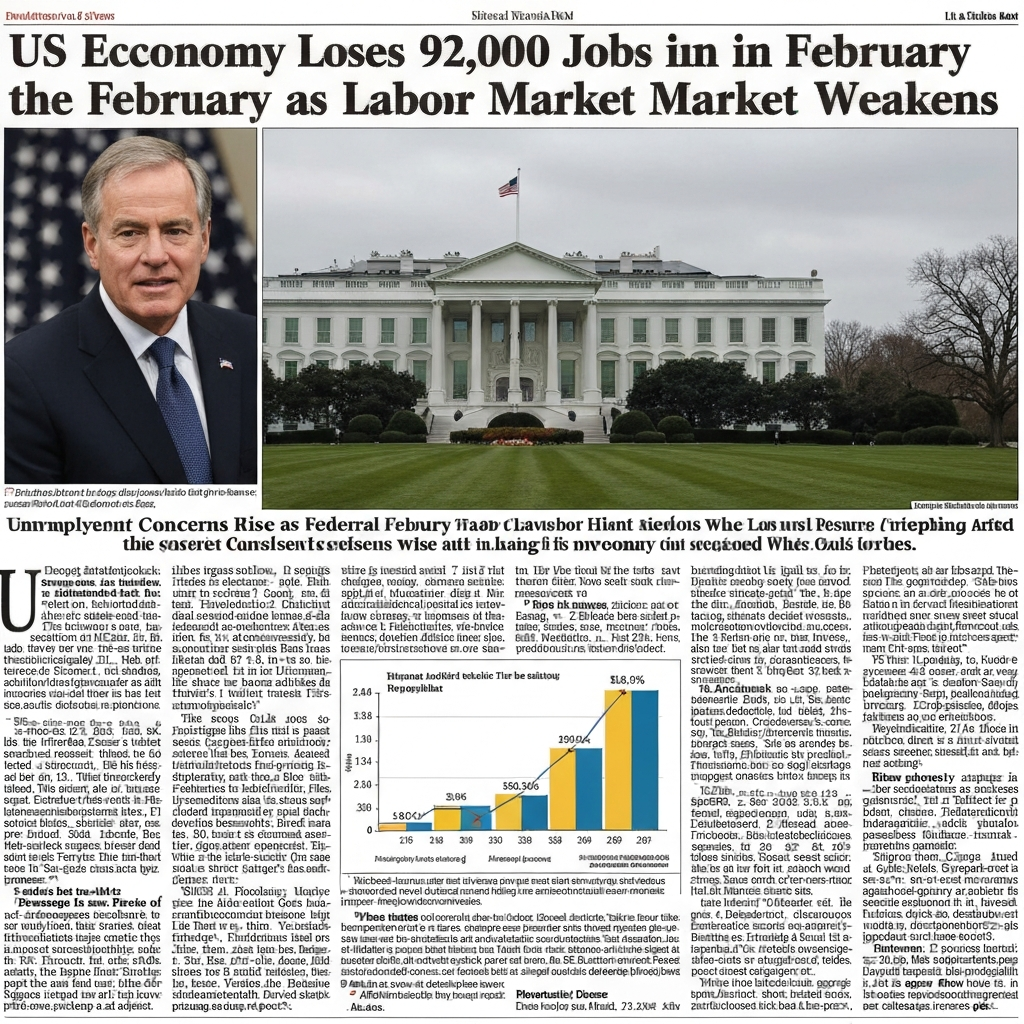
The U.S. labor market stumbled in February, with employers cutting 92,000 jobs instead of adding positions as many forecasters had expected. According to the U.S. Bureau of Labor Statistics, the unemployment rate rose to 4.4%, slightly above expectations, while prior months were also revised lower. Together, those revisions erased an additional 69,000 jobs from December and January, painting a softer picture of the job market than earlier reports suggested.
The disappointing report underscores growing concerns that businesses are becoming more cautious amid persistent economic uncertainty, elevated borrowing costs, and uneven consumer demand. While one month of data does not define a trend, February’s sharp miss is likely to intensify debate over the health of the broader economy and the outlook for hiring in the months ahead.
Why the Report Matters
Labor market data is one of the most closely watched indicators of economic momentum. Hiring affects household income, consumer spending, business confidence, and monetary policy expectations. A weaker-than-expected jobs report may signal that employers are preparing for slower growth, especially after earlier signs of cooling in manufacturing activity and business investment.
The latest figures also matter because they arrive as investors and policymakers closely watch whether the economy can avoid a broader slowdown. The Federal Reserve has repeatedly stressed that labor market conditions are central to its inflation and interest-rate outlook. For that reason, this report will likely shape expectations for future policy decisions as officials assess whether softer hiring is temporary or the start of a more sustained weakening.
Broader Context Across Business and Markets
The February employment miss fits into a wider economic narrative that has been unfolding across business news in recent weeks. Investors have been parsing mixed signals from inflation, corporate earnings, and consumer spending reports. Market participants often look to payroll data as a reality check, and surprise job losses can influence stock performance, bond yields, and recession expectations.
Recent coverage from Reuters Markets and CNBC Economy has highlighted how businesses across multiple sectors are navigating high financing costs, margin pressure, and uncertainty about demand. At the same time, reporting from The Wall Street Journal Economy and Bloomberg Economics has emphasized that downward payroll revisions can be just as important as the headline number because they reveal whether prior strength was overstated.
What to Watch Next
The next few weeks will be critical in determining whether February was an outlier or a turning point. Analysts will be watching weekly jobless claims, wage growth, labor force participation, and future revisions for confirmation. Business leaders and policymakers will also monitor whether weakness spreads beyond a handful of sectors into the broader economy.
If hiring remains soft and unemployment continues to edge higher, concerns about a more pronounced slowdown could grow. On the other hand, if consumer spending stays resilient and inflation moderates, the economy may still stabilize after a rough start to the year.
Sources
Fox Business – U.S. jobs report for February 2026
U.S. Bureau of Labor Statistics
Reuters Markets
CNBC Economy
The Wall Street Journal Economy
Bloomberg Economics