



The appropriate category for this RSS item is Business. While the story highlights a lavish real estate purchase by former Starbucks CEO Howard Schultz, its core angle is not celebrity lifestyle but the broader migration of wealth, capital and business leadership to South Florida. The article ties Schultz’s move to tax policy, executive relocation trends and the expansion of Miami as a hub for finance and luxury real estate.
Miami’s Business Magnetism Keeps Growing
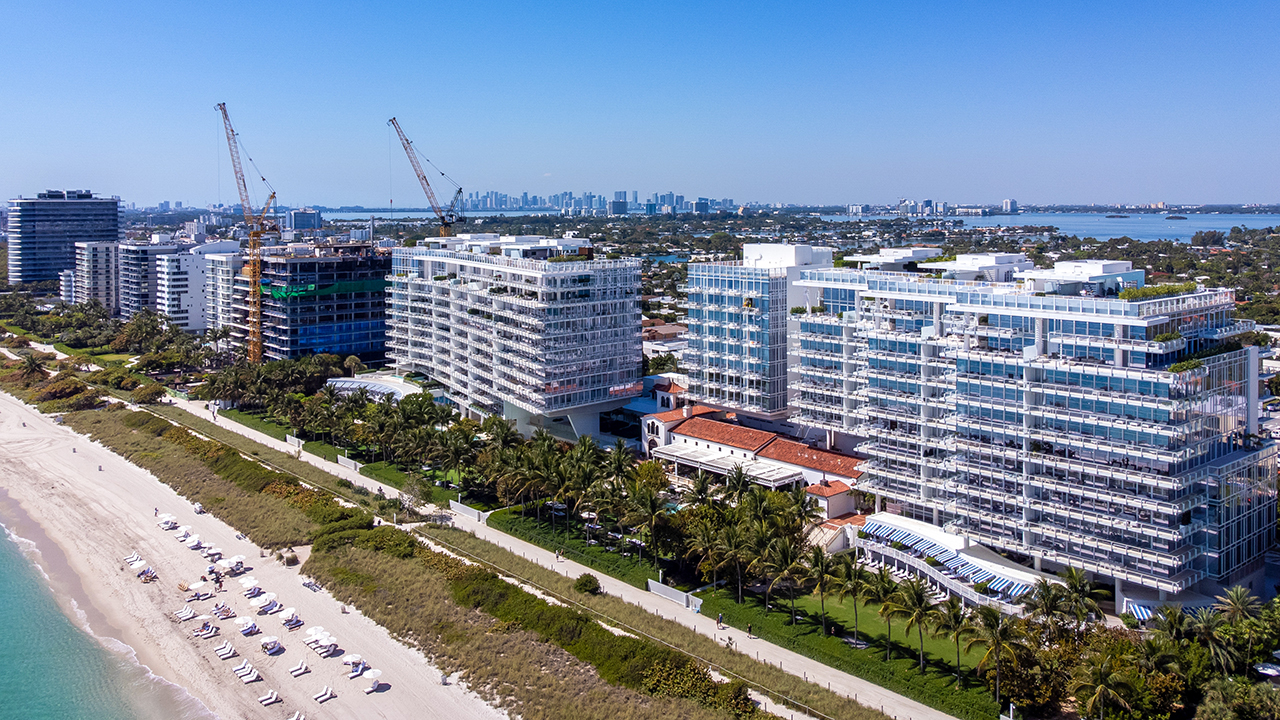
South Florida’s rise as a destination for executives, investors and high-net-worth individuals continues to shape the business conversation in 2026. Howard Schultz’s reported $44 million penthouse purchase at the Four Seasons Surf Club Residences is more than a headline-grabbing real estate deal — it reflects a deeper shift in where business leaders want to live, work and invest.
Over the past several years, Miami and nearby markets such as Palm Beach and Surfside have increasingly attracted firms, founders and financiers seeking lower taxes, warmer weather and a lifestyle that blends luxury with access to global business networks. This trend has often been described as the rise of “Wall Street South,” a phrase now used regularly by business media and real estate professionals alike.
According to the original Fox Business report, Schultz’s move comes amid renewed debate over taxation in Washington state, where lawmakers advanced a tax policy targeting high-income households. That context matters because tax exposure has become a major factor in relocation decisions for wealthy individuals and business operators.
The Bigger Story Behind the Penthouse
At first glance, the Surfside purchase looks like a luxury real estate feature. But beneath the architecture and ocean views sits a business story about capital flows. Wealthy buyers are not only purchasing homes in Florida — many are shifting residency, expanding investment footprints and bringing networks of advisors, service providers and business activity with them.
That broader pattern has been documented by multiple outlets. A recent Wall Street Journal report on luxury housing and wealth migration noted that South Florida remains one of the strongest markets for ultra-high-end residential demand, even as some national housing markets cool. Likewise, Bloomberg has reported that financial executives and investors continue to deepen their presence in Florida, strengthening the state’s position as a strategic base for both personal residency and professional operations.
From a business standpoint, this creates a multiplier effect. Luxury residential purchases drive brokerage activity, legal work, design and construction spending, private banking demand and local employment. In other words, marquee deals at the top of the market often feed a wider economic ecosystem below them.
Why Florida Still Holds the Advantage
Florida’s appeal is not difficult to understand. The state has no personal income tax, offers a comparatively business-friendly regulatory environment and has spent years branding itself as a haven for entrepreneurs and investors. Miami in particular has positioned itself as more than a vacation destination; it is now actively competing with New York, San Francisco and even parts of Texas for financial relevance.
That transformation accelerated after the pandemic, when remote work and flexible executive travel made it easier for business leaders to operate from anywhere. Since then, firms in finance, private equity, real estate and technology have expanded their footprint in South Florida. A CNBC analysis on business migration trends recently highlighted that Florida continues to benefit from this movement, particularly among top earners and company founders reevaluating where they want to base their lives and enterprises.
Of course, Florida is not without risks. Insurance costs, climate concerns and affordability pressures continue to challenge the long-term outlook in some areas. A number of housing analysts have also warned that parts of the Miami market remain vulnerable to volatility. Still, the ultra-luxury tier appears to be operating by its own rules, driven less by mortgage rates and more by scarcity, exclusivity and buyer liquidity.
A Market Separate From the Rest
That may be the most important takeaway from Schultz’s purchase. The top end of the market increasingly functions as a world of its own. Buyers in this category are often less affected by interest rates, more focused on wealth preservation and highly motivated by tax strategy, quality of life and status. Trophy properties in places like Surfside, Indian Creek and Palm Beach are not simply homes; they are strategic assets.
This separation between the ultra-luxury segment and the broader housing market is something analysts have observed across several global cities. In Miami, however, it is especially visible because of the city’s unique combination of finance, migration and branding power. When major executives buy in, they do more than move — they send a signal. They validate the market for others in their orbit.
That helps explain why one penthouse purchase can carry such outsized meaning. It is not just about Howard Schultz beginning retirement by the ocean. It is about what his move says to corporate America, to investors and to other wealthy households considering their next chapter.
What Comes Next
Looking ahead, Miami’s momentum in business relocation and ultra-luxury real estate seems likely to continue, especially if high-tax states keep debating new revenue measures and if Florida preserves its tax advantages. The biggest question is whether the city can convert this influx of wealth into durable economic growth that extends beyond elite enclaves.
For now, the answer appears to be partially yes. Capital migration brings jobs, development and broader economic activity, even if the benefits are unevenly distributed. And as long as top executives see South Florida as a place where they can blend lifestyle with dealmaking, the region will remain central to the national business story.
Sources: