
Closure after a fatal accident
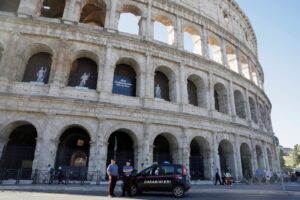
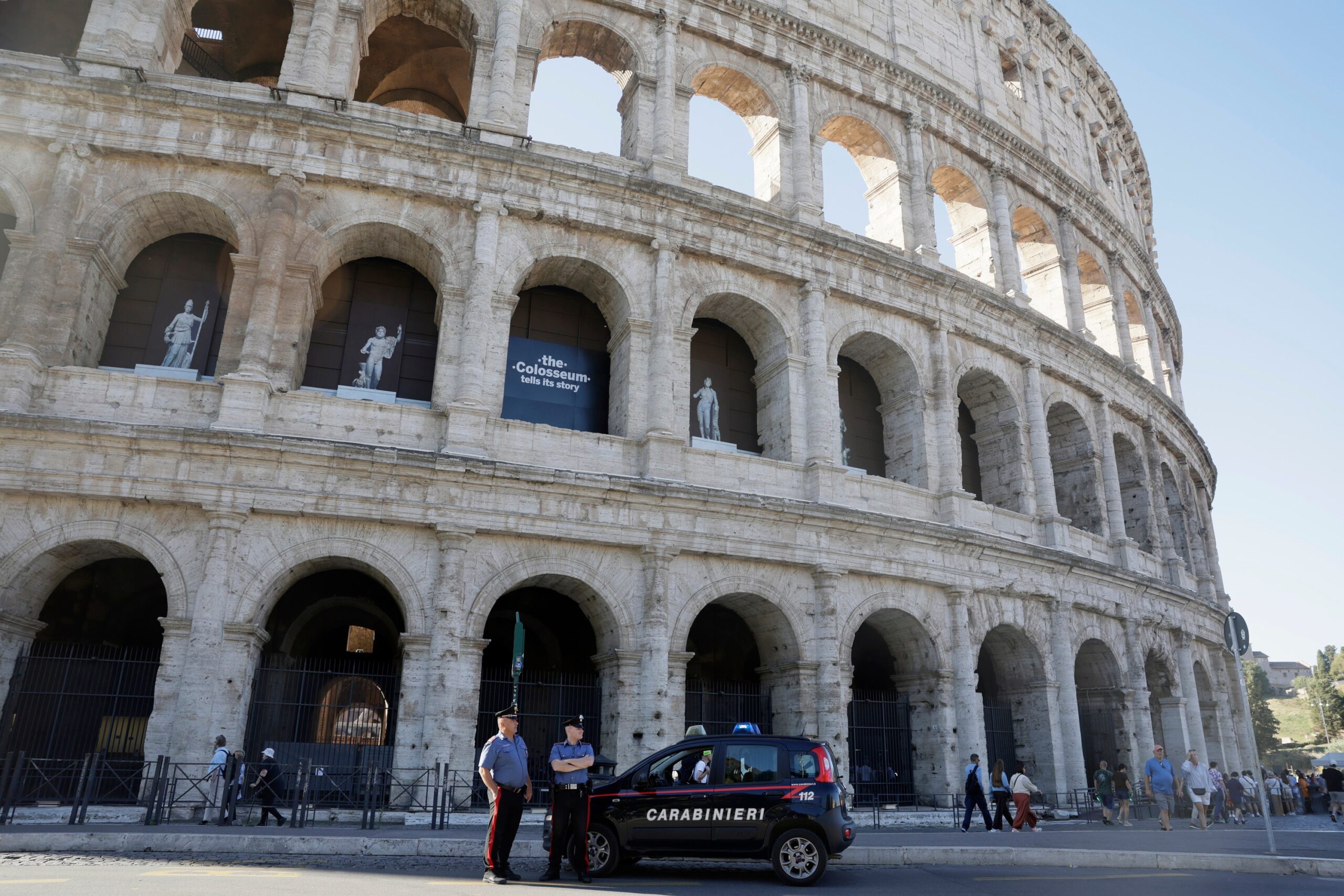
On Tuesday night a 22-year-old specialist rope worker fell roughly 10 meters while installing a new lighting system at Rome’s Colosseum, prompting the first full public closure of the site since the Covid-19 lockdowns, Italy’s Culture Ministry said. The closure was implemented after the night shift and the first group of visitors had already toured the monument; officials said closing immediate entrances earlier could have created dangerous crowds outside the site.
Immediate response and reactions
Italy’s Culture Minister Alessandro Giuli called the event “tragic” and offered condolences to the victim’s family. Prime Minister Giorgia Meloni said, “Dying at 22 is unacceptable, and even more so if it happens in the workplace,” and pledged to redouble efforts to prevent similar tragedies.
Why the whole Colosseum was closed
Initial plans reportedly called for only the top tier — where the worker was suspended — to be closed. Authorities extended the closure to the full venue to avoid large crowds gathering outside the monument, which could have posed safety and public-order risks. The Colosseum is normally open year-round except for a few official holidays (December 25 and January 1) and occasional short closures for dignitaries or special ceremonies.
Broader context: workplace safety in Italy
Workplace accidents remain a serious problem in Italy. Authorities and trade unions report that several workers die each day in workplace accidents across different sectors. The incident at the Colosseum has reignited debate about occupational safety standards, enforcement, and the protections given to contract and specialized workers who perform maintenance on historical monuments.
Heritage sites and contractor safety
Historic monuments like the Colosseum require ongoing maintenance that often involves contractors and specialists using ropes, lifts, and other high-risk methods. The combination of working at height, complex scaffolding or rigging, and irregular schedules (overnight work to avoid disrupting visitors) increases risks. Observers say the tragedy highlights the need for stricter oversight, clearer contractor safety protocols, and better communication between cultural-heritage administrations and companies that carry out maintenance.
What to watch next
Investigations are underway to establish the causes of the fall and whether safety protocols or equipment failures contributed. Results of those inquiries will determine potential prosecutorial action, administrative sanctions, and any regulatory changes. In the short term, visitors should expect temporary disruptions at major heritage sites while authorities review safety procedures for maintenance work.
Human cost and public reaction
Beyond regulatory responses, the death has had an emotional impact. The Colosseum is one of the world’s most-visited monuments; many tourists and Romans alike expressed shock and sadness at the news. Political leaders and labor groups have used the incident to call for a renewed focus on protecting workers, especially young employees and subcontracted specialists who may face precarious employment conditions.
Sources and further reading
- CNN — initial reporting on the Colosseum closure and incident
- Reuters — coverage of the accident, official statements, and investigation updates
- ANSA — Italian reporting on workplace safety and government reactions
- INAIL — Italy’s national institute for insurance against workplace accidents (data and reports on workplace fatalities)
- BBC News — context on heritage-site management and public safety
Editor’s note: This article synthesizes official statements and reporting from international and Italian news organizations to summarize the incident and its broader implications for worker safety and cultural-heritage management.