


What was announced
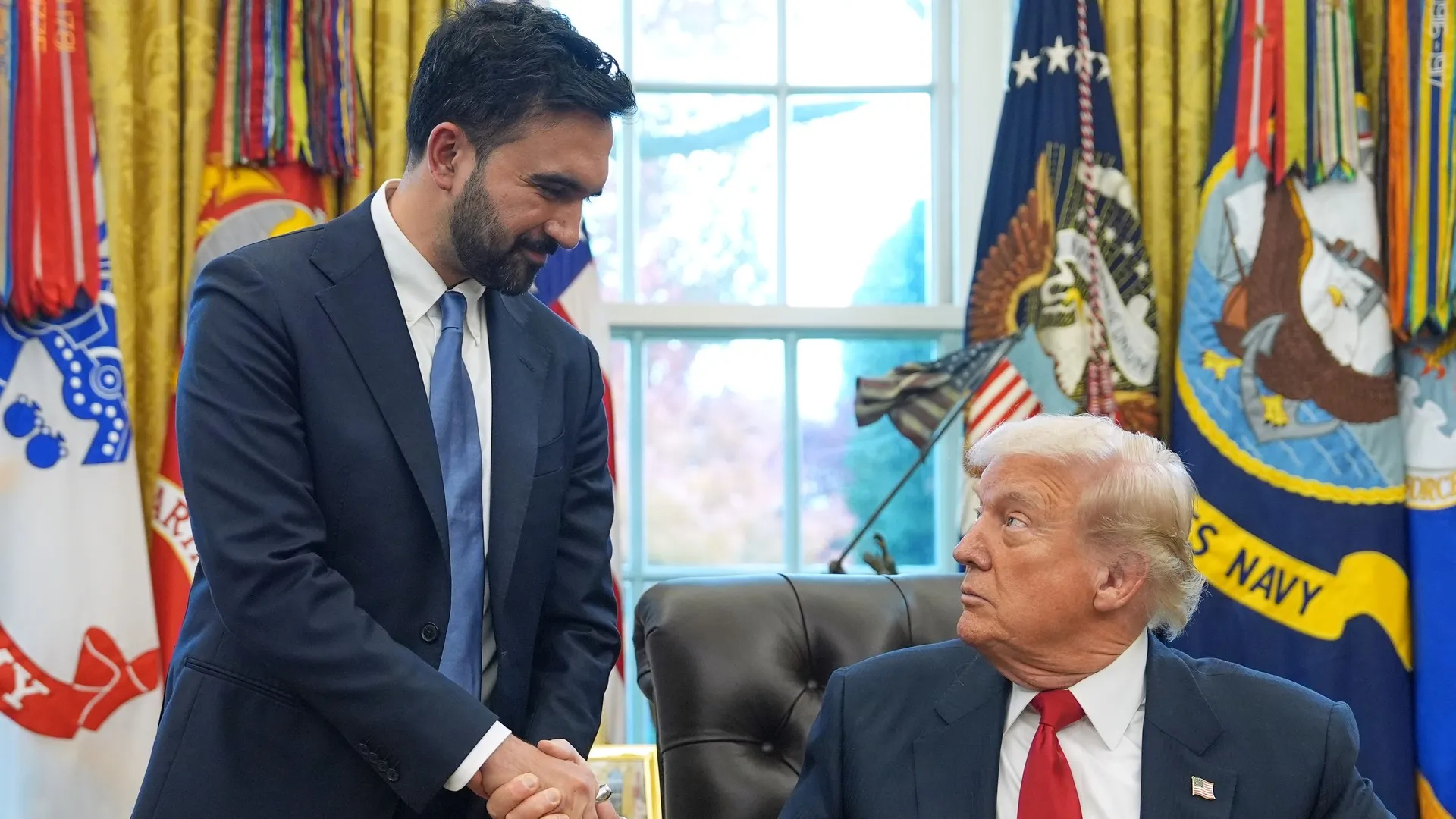
A spokesperson for Mamdani said a meeting at the mayor’s official residence will “focus on issues affecting New York City and New Yorkers.” While details about attendees and a formal agenda were limited, the announcement—coming from Gracie Mansion, the city’s official mayoral residence—signals an intent to tackle a set of high‑priority municipal issues that frequently top New Yorkers’ concerns: public safety, homelessness and housing, transit reliability, and the cost of living.
Why this meeting matters
Meetings at the mayor’s residence are traditionally used to convene elected officials, community leaders, agency heads, and outside stakeholders for frank discussions and potential policy coordination. The setting allows for private conversations that can lead to public initiatives or administrative action. Gracie Mansion’s role and upcoming meetings are described on the Mayor’s Office site: About Gracie Mansion.
Top issues likely to be discussed
1) Public safety
Public safety remains at the forefront of municipal politics. City officials regularly review recent crime trends, policing strategies, and community policing efforts with NYPD leadership and neighborhood representatives. For up‑to‑date statistics and precinct reports, the NYPD CompStat and reports page is a reference point: NYPD CompStat. Any high‑level meeting at Gracie Mansion will likely include conversation about resource allocation, prevention programs, and ways to restore public confidence in neighborhoods and on transit.
2) Homelessness and housing affordability
Homelessness and housing costs are perennial city crises that demand interagency coordination—housing, human services, health, and budget offices all play roles. The city’s Department of Homeless Services provides data and program descriptions used in policy discussions: NYC Department of Homeless Services. Expect discussion of shelter capacity, supportive housing pipeline, rental assistance programs, and tenant protections.
3) Transit and infrastructure
Transit reliability and affordability remain central to everyday life for millions of New Yorkers and often factor into municipal‑state‑regional negotiations. The Metropolitan Transportation Authority (MTA) publishes ridership, service change, and capital plan information that typically informs mayoral and city planning discussions: MTA. Policy outcomes can include calls for more state or federal resources, reallocation of city funds, or pilot projects for signal and station improvements.
4) Cost of living and household budgets
Inflation, rents, childcare, and food costs shape constituents’ day‑to‑day priorities and municipal budget conversations. National and local economic indicators (for example, the Bureau of Labor Statistics CPI data) often provide the backdrop for urgent policy measures and relief programs: BLS CPI. The city’s budget and program responses are coordinated through the Mayor’s Office and city budget offices: NYC Office of Management and Budget.
What to watch next
- Any formal agenda or press release from the Mayor’s Office or Mamdani’s team on the Mayor’s Office news page: Mayor’s Office News.
- Follow‑up reporting from local outlets for specifics about participants, commitments, or new initiatives (local journalism often surfaces details from anonymous sources or public records requests).
- Announcements from agencies (NYPD, DHS, MTA, NYC OMB) that reflect operational changes or funding reallocations discussed at the meeting.
Analysis: Why a focused Gracie Mansion session can matter
High‑level, cross‑sector gatherings in the mayor’s residence can accelerate action in three ways: (1) they create a forum for direct alignment between the mayor, agency leaders, and community representatives; (2) they allow the mayor’s team to test policy proposals privately before rolling them out publicly; and (3) they can generate political momentum for funding requests to the City Council or advocacy aimed at Albany or Washington.
However, meetings alone don’t resolve structural problems. Long‑term solutions require sustained funding, measurable program performance, and clear accountability. For example, addressing homelessness requires both immediate shelter capacity and a long‑term pipeline of affordable and supportive housing; improving transit reliability requires sustained capital investment and state‑federal collaboration; and improving public safety requires both enforcement strategies and community‑based prevention programs.
Sources & further reading
- About Gracie Mansion — Mayor’s Office: https://www1.nyc.gov/site/mayor/about/gracie-mansion.page
- NYPD CompStat and crime data: https://www.nyc.gov/site/nypd/stats/reports-analysis/compstat.page
- NYC Department of Homeless Services: https://www1.nyc.gov/site/dhs/index.page
- MTA (transit data and service notices): https://new.mta.info/
- Bureau of Labor Statistics — Consumer Price Index: https://www.bls.gov/cpi/
- Mayor’s Office — news and press releases: https://www1.nyc.gov/office-of-the-mayor/news
- NYC Office of Management and Budget: https://www1.nyc.gov/site/omb/index.page
New Yorkers will be watching whether the meeting announced by Mamdani’s spokesperson leads to concrete policy commitments, new interagency directives, or targeted budget proposals. Any follow‑up announcements from the Mayor’s Office or participating agencies will be important to gauge whether this convening moves from talk to tangible action.