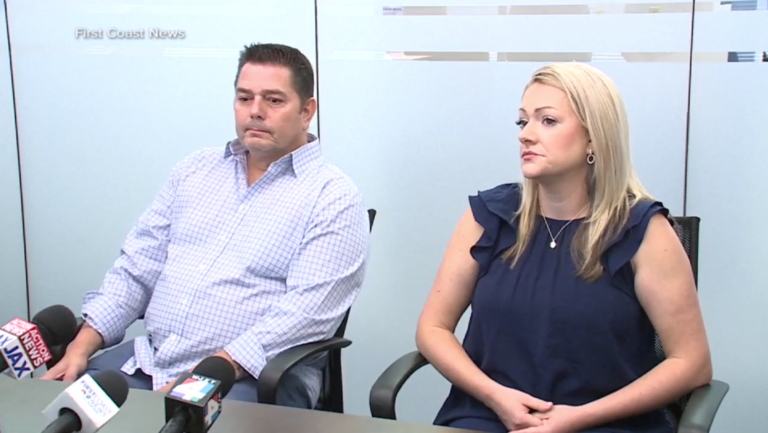
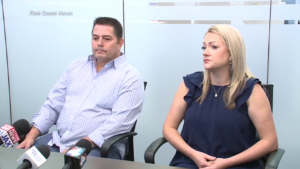


“They all had their civil rights violated by masked federal agents, and were unlawfully detained.” That charge—echoing the accounts of Portland residents, demonstrators and their lawyers—has remained a focal point in a broader national debate about the limits of federal law enforcement, the protections of the First and Fourth Amendments, and what accountability looks like when federal officers operate in cities during protests.
What happened and why it matters
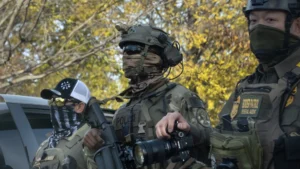
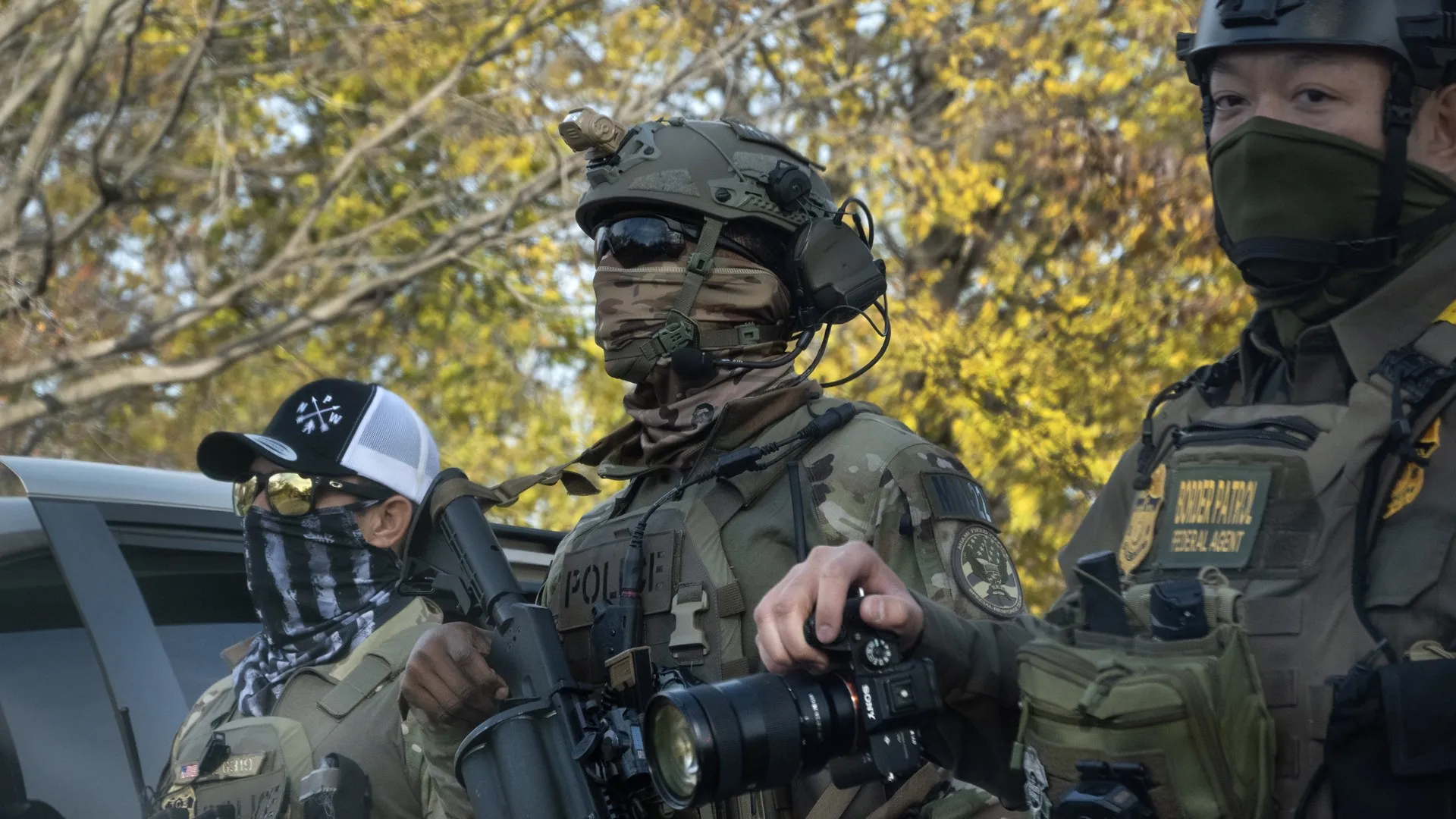
Beginning in mid-2020, the federal government deployed U.S. Department of Homeland Security personnel, Border Patrol units, U.S. Marshals and other federal agents to American cities that had sustained sustained demonstrations. Local residents and civil-rights advocates reported instances of officers in tactical gear and masks detaining people—sometimes in unmarked vehicles—without clear explanation or visible identification. Those actions prompted immediate outrage, multiple lawsuits, and long-running inquiries over whether federal tactics violated constitutional protections against unreasonable seizures and infringed on free-assembly rights.
Key developments and the state of litigation
Legal advocacy groups—including the ACLU—filed suits on behalf of protesters and residents alleging unlawful detentions, excessive force and lack of accountability. Early reporting documented the use of unmarked vehicles and masked officers that protesters said prevented them from understanding who was detaining them or why, a dynamic that civil-rights lawyers say contributed to constitutional violations and fear among residents (ACLU press release; New York Times, July 2020).
Those early incidents led to a cascade of legal and political reactions: lawsuits seeking injunctions on specific federal tactics, congressional questions and hearings about federal authorities’ roles in local public-safety response, and city and state pushback seeking to restrict or repurpose cooperation with federal law enforcement. Coverage and analyses from national outlets documented how the use of federal agents in some cities became emblematic of the balance between ensuring public order and safeguarding civil liberties (Washington Post analysis; Reuters coverage).
Policy and oversight
In response to complaints and litigation, federal agencies and oversight bodies faced pressure to justify deployments and clarify rules of engagement. Advocates and some lawmakers pushed for reforms: clearer identification requirements for federal officers, limits on the use of unmarked vehicles, transparent rules for detentions, and wider use of independent oversight mechanisms when federal personnel operate in municipal spaces. The Department of Justice and the Department of Homeland Security were asked repeatedly to produce records and to explain the legal authorities they relied on for those operations (NPR coverage).
Human impact
Beyond the legal technicalities, the episodes left long-lasting impressions on affected communities: people reporting anxiety about encountering law enforcement, confusion about who was responsible for detentions, and concern over the chilling effect on lawful protest. Lawyers representing residents—like the one quoted above—have characterized detention practices as violations of civil rights, seeking damages and declaratory relief, and urging clearer limits and remedies to prevent future occurrences.
What to watch next
- Ongoing litigation outcomes: Many civil-suit dockets and local lawsuits may produce rulings that clarify the legality of certain federal tactics and set precedents about remedies and damages for alleged constitutional violations.
- Congressional and federal oversight: Any renewed congressional hearings or inspector-general inquiries could produce reports that shape policy on federal support for state and local law enforcement during protests.
- Legislative reforms at the state and municipal levels: Cities and states may adopt rules governing interaction with federal officers or require stricter identification and reporting when federal assets are deployed locally.
Analysis: accountability requires clarity
The recurring tensions highlighted by masked federal detentions point to a structural problem: when multiple layers of law enforcement (local, state, federal) converge in a contested public space, responsibility can blur. That ambiguity creates opportunities for rights violations to occur and complicates post-incident fact-finding. Policy remedies therefore tend to fall into two categories: preventive rules (clear identification, transparent command protocols, limits on detention authority) and retrospective oversight (independent investigations, meaningful civil remedies, public disclosure of tactics and internal communications).
Practically, improving protections means requiring visible identification for federal officers operating in public spaces, documenting every detention with time/location/agency information, and ensuring local oversight bodies have timely access to federal records for independent review. Without these steps, communities may continue to experience encounters that lawyers describe as civil-rights violations—recreating the same grievances and legal fights years after the initial incidents.
Sources
- ACLU press release: ACLU sues over deployment of federal agents in Portland
- New York Times: How federal agents in Portland were used during protests (July 2020)
- Washington Post: Federal police and protests — visual reporting and analysis
- NPR: Questions about authority and accountability for federal troops in cities
- Reuters: Coverage of federal deployments to U.S. cities
For communities and policymakers alike, the central question remains: how to balance public-safety objectives with uncompromising protections for civil liberties. The lawsuits, reporting and policy debates that followed the deployments have not only sought answers but continue to shape the contours of that balance.