




What happened
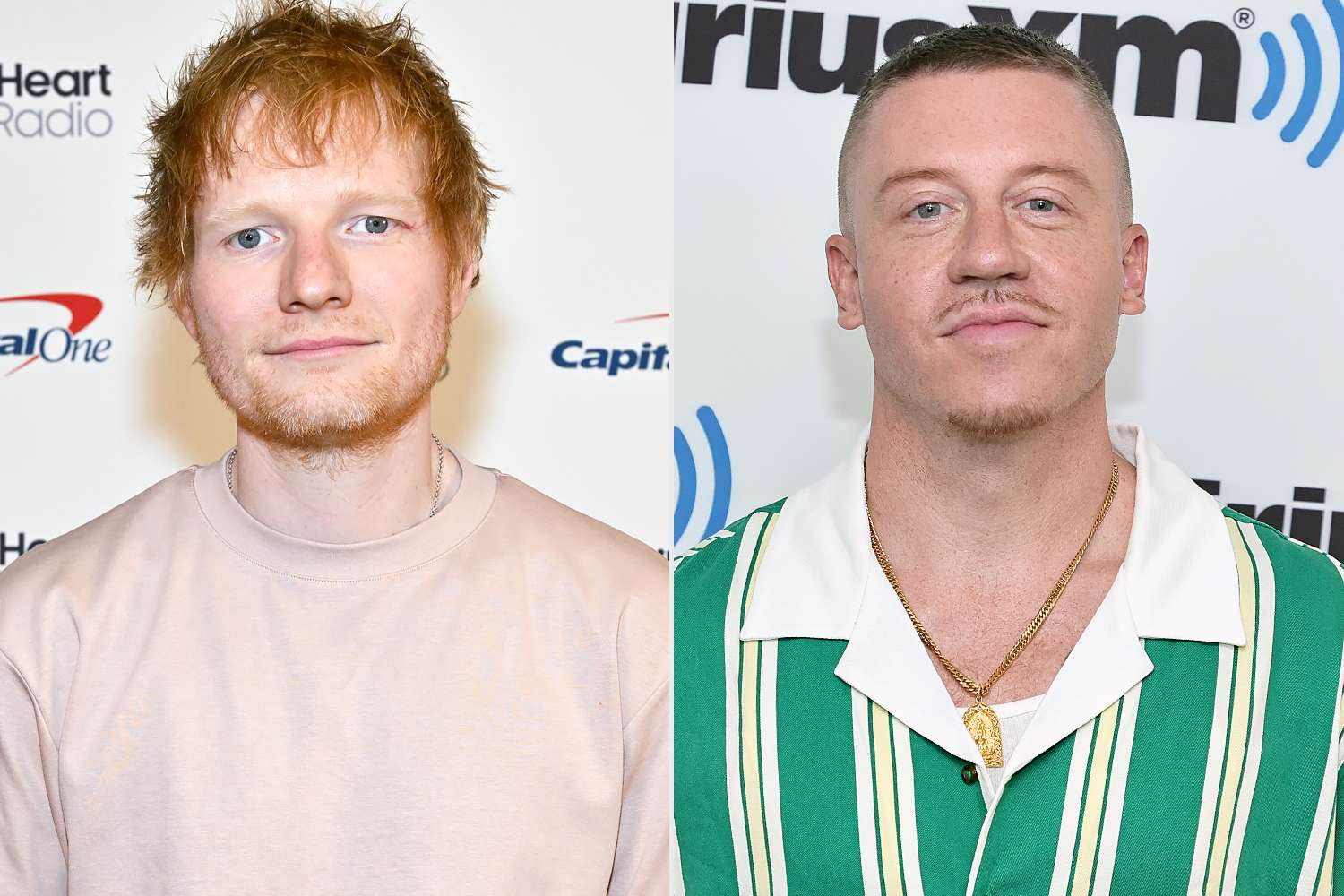
Guitar Center launched an “Open for Legends” contest offering a chance to open for Ed Sheeran on his Dec. 11 Mexico City show. The launch coincided with fallout from Macklemore’s removal from Sheeran’s Loop Tour after the rapper spoke in support of Palestine during a September performance. Within hours of the contest opening, the submission playlist on Guitar Center’s contest site was filled with memes, protest messages and non-musical entries critical of Sheeran rather than earnest audition videos.
Why submissions turned into protest
The contest required entrants to upload videos performing to a set playlist; the site’s playlist interface allowed public viewing and voting. Users quickly realized there was little verification preventing prank or protest uploads, and many used the platform to post messages that referenced the Macklemore controversy and the broader Israel–Palestine conflict. Some clips mocked Sheeran’s statement that he wanted his shows to be about “unity, joy, escapism, love, and a place for everyone to feel welcome.” Others used the contest to amplify pro-Palestine messages and links to relief organizations.
How the controversy unfolded
Macklemore was removed from the U.S. leg of Sheeran’s tour after venues reportedly told promoter Messina Touring Group they would not allow concerts to proceed with the rapper on the bill following comments he made from stage critical of Israel and supportive of Palestinian rights. The promoter’s communications, and coverage by outlets reporting on venue pressure, precipitated the official split and drew attention to how political speech by artists can ripple through touring logistics and corporate partnerships.
What this means for contests and fan platforms
The episode highlights a recurring tension for brands and promoters running open-call competitions: public, lightly moderated submission systems can be weaponized for political expression or disruption. For Guitar Center, the contest was intended as a discovery platform for unsigned singer-songwriters; instead it became a crowd-sourced billboard for dissent. That raises questions about contest design (verification and moderation), brand risk management, and the ethics of platforms that host user-generated content during politically charged moments.
Industry and artist fallout
The broader music industry has witnessed similar flashpoints where artists’ statements—political or otherwise—have led to rapid consequences: opening acts or session musicians withdrawing in solidarity, venues imposing contractual or safety conditions, and promoters recalibrating lineups. In this instance, multiple musicians reportedly pulled out of the Loop Tour in support of Macklemore, leaving gaps in Sheeran’s U.S. lineup and amplifying scrutiny on the decisions of promoters and venues.
Context and analysis
There are three overlapping dynamics at play:
- Artist speech vs. commercial infrastructure: An artist exercising political speech can trigger reactions across concert ecosystems—venues, promoters, sponsors—who may make decisions based on safety assessments, contractual language, or public pressure.
- Platform design and moderation: Open submission mechanics without identity verification are vulnerable to manipulation, especially when the platform reaches broad public attention. Brands running talent searches need clear rules and active moderation to preserve the intended purpose.
- Audience and activist creativity: Protesters increasingly use creative, low-cost tactics—like hijacking a contest—to amplify causes. That mix of humor, meme culture and political messaging is effective at drawing attention and sometimes forcing corporate responses.
Potential next steps
For Guitar Center and similar organizers, responses could include tightening submission requirements (verified accounts, proof of identity or past performance footage), temporarily pausing public playlists while vetting entries, or reframing the contest timeline to avoid peak controversy. For artists and promoters, the episode underscores the importance of prepared statements and contingency planning when political speech intersects with touring.
Where to read more
Initial coverage and ongoing reporting on the contest, Macklemore’s removal, and industry reactions were published by Entertainment Weekly and Rolling Stone. For primary materials and statements from promoters, see the links below.
Sources
- Entertainment Weekly, coverage of the Guitar Center contest and public submissions: https://ew.com/search/?q=Open%20for%20Legends%20Guitar%20Center%20Sheeran
- Rolling Stone, reporting on venue decisions and Macklemore’s removal from the tour: https://www.rollingstone.com/search/?q=Macklemore%20dropped%20Ed%20Sheeran%20tour
- Guitar Center contest landing and search (contest details and submission mechanics): https://www.guitarcenter.com/search?q=Open%20for%20Legends
- Coverage of artist and industry responses: Variety and Billboard have maintained ongoing reporting on tour lineup changes and musician-driven solidarity withdrawals: https://variety.com/?s=Ed+Sheeran+Macklemore, https://www.billboard.com/search/?q=Ed%20Sheeran%20Macklemore
If you are planning to publish this in WordPress: the HTML above is formatted for direct copy/paste into the editor. Replace or augment the placeholder search links with the specific article URLs you prefer from the cited outlets for final publication.