
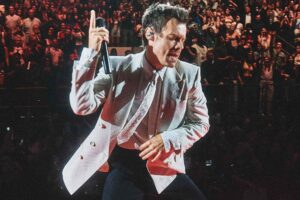

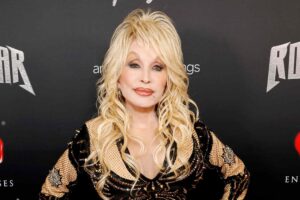
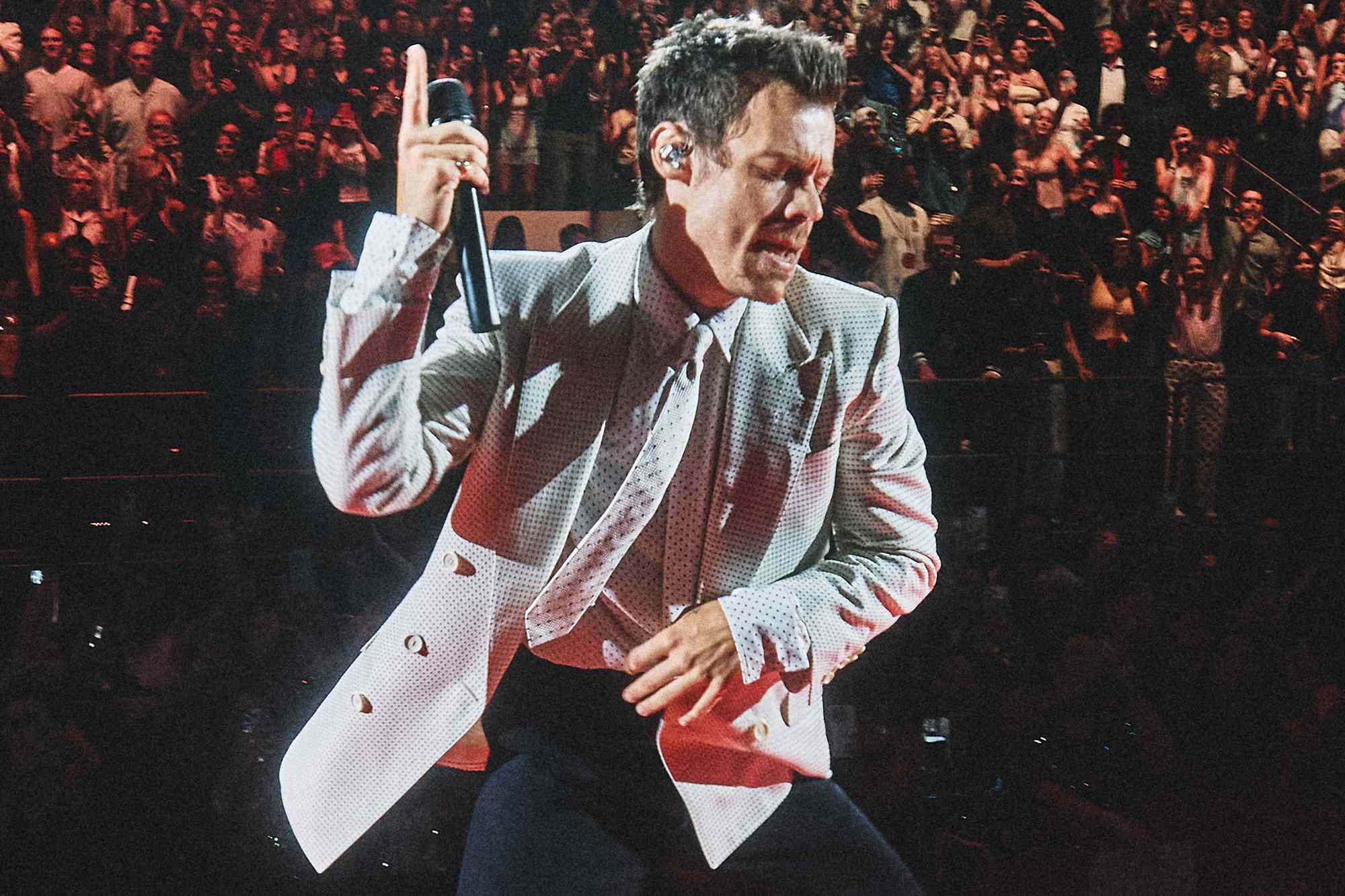
New York, NY — On the opening night of his sold-out 30-night Madison Square Garden residency, Harry Styles paused his Together, Together tour set to lead the crowd in an emotional tribute to country music legend Dolly Parton, who died Aug. 25 at age 80. Styles directed the audience in a sing-along of Parton’s “I Will Always Love You,” marking a quiet, poignant moment amid a night of high-energy performance.
What happened at MSG
Styles’ first MSG performance featured a largely familiar Together, Together tour setlist, with songs such as “As It Was,” “Watermelon Sugar,” and “Sign of the Times.” Between “Coming Up Roses” and “Sign of the Times,” Styles broke from his rehearsed flow, telling the crowd, “Sing it out, people,” and ushering the house into a collective rendition of Parton’s classic. The apparent intention was both a personal and public acknowledgment of Parton’s cultural impact and the grief many fans were feeling.
Why the moment mattered
While celebrity tributes at concerts are not uncommon, Styles’ decision to stop and invite the crowd to sing created a shared space of remembrance in a venue built for spectacle. The moment did three things:
- Centered a cross-genre homage: A pop star honoring a country icon emphasized the breadth of Parton’s reach across musical communities.
- Created communal grieving: Singing together turned private sorrow into a collective act, reinforcing live music’s power to unify audiences.
- Offered historical continuity: Parton’s songs—especially “I Will Always Love You”—have been carried across generations through covers and cultural references; having a contemporary pop figure lead the tune underscored her lasting influence.
Context: the residency and the tour
Styles’ 30-night Madison Square Garden stand is the centerpiece of his U.S. activity this year and is sold out. The residency represents the only U.S. dates on his Together, Together tour, which has already taken him to international cities including Amsterdam, London, Mexico City, and São Paulo, with additional international dates scheduled later in the year. The New York run features a mix of musical theater-like production, intimate storytelling moments, and guest appearances; special guests across select dates include Robyn, Shania Twain, Jorja Smith, Fousheé, and Jamie xx, who opened the opening-night show and is set to appear throughout the run.
Parton’s legacy and the cultural resonance
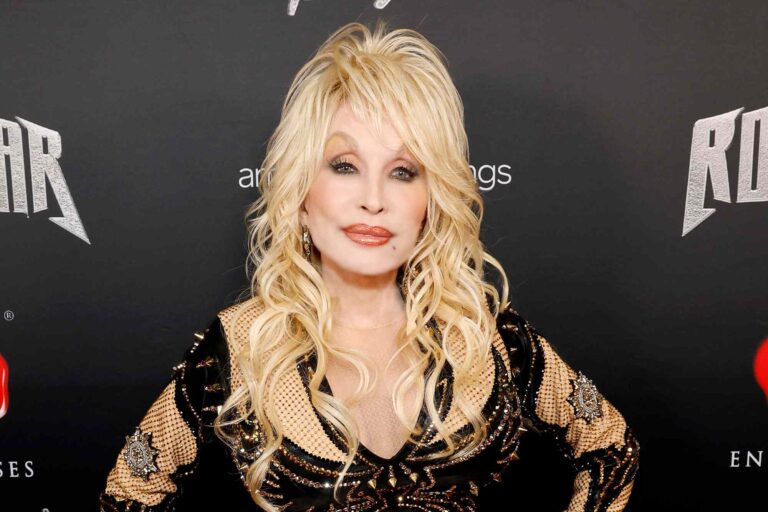
Dolly Parton’s passing prompted immediate tributes across the music world and beyond. Parton’s contributions spanned songwriting, philanthropy, film and television, and entrepreneurship—she crossed genre boundaries and became an emblematic figure in American music. Moments like Styles’ tribute signal how contemporary artists interpret and transmit that legacy to new audiences.
What this means for live music etiquette and memorials
Concert tributes raise questions for promoters and artists about how to balance planned performance with spontaneous memorializing. Styles’ brief, audience-led tribute serves as a model for integrating moments of remembrance without derailing a show’s overall arc: short, sincere, and participatory, allowing fans to express emotion while keeping the program moving.
Takeaway
Harry Styles’ sing-along for Dolly Parton at Madison Square Garden was a snapshot of how pop culture processes loss in real time—an intergenerational acknowledgment that both celebrates an artist’s life and demonstrates the communal power of live music. For fans at MSG, and for those watching coverage of the night, the moment offered a quiet, human counterpoint to an otherwise theatrical evening.
Sources
- Entertainment Weekly — Coverage of Harry Styles’ MSG performance and tribute
- Billboard — Tour dates and context for Harry Styles’ Together, Together tour
- Rolling Stone — Reporting on Dolly Parton’s legacy and public tributes
- The New York Times — Analysis of celebrity tributes and cultural impact
Note: This article synthesizes firsthand reporting from Entertainment Weekly on the Madison Square Garden opening night with broader coverage and analysis of Dolly Parton’s legacy and tour context from major music and news outlets.