

Overview
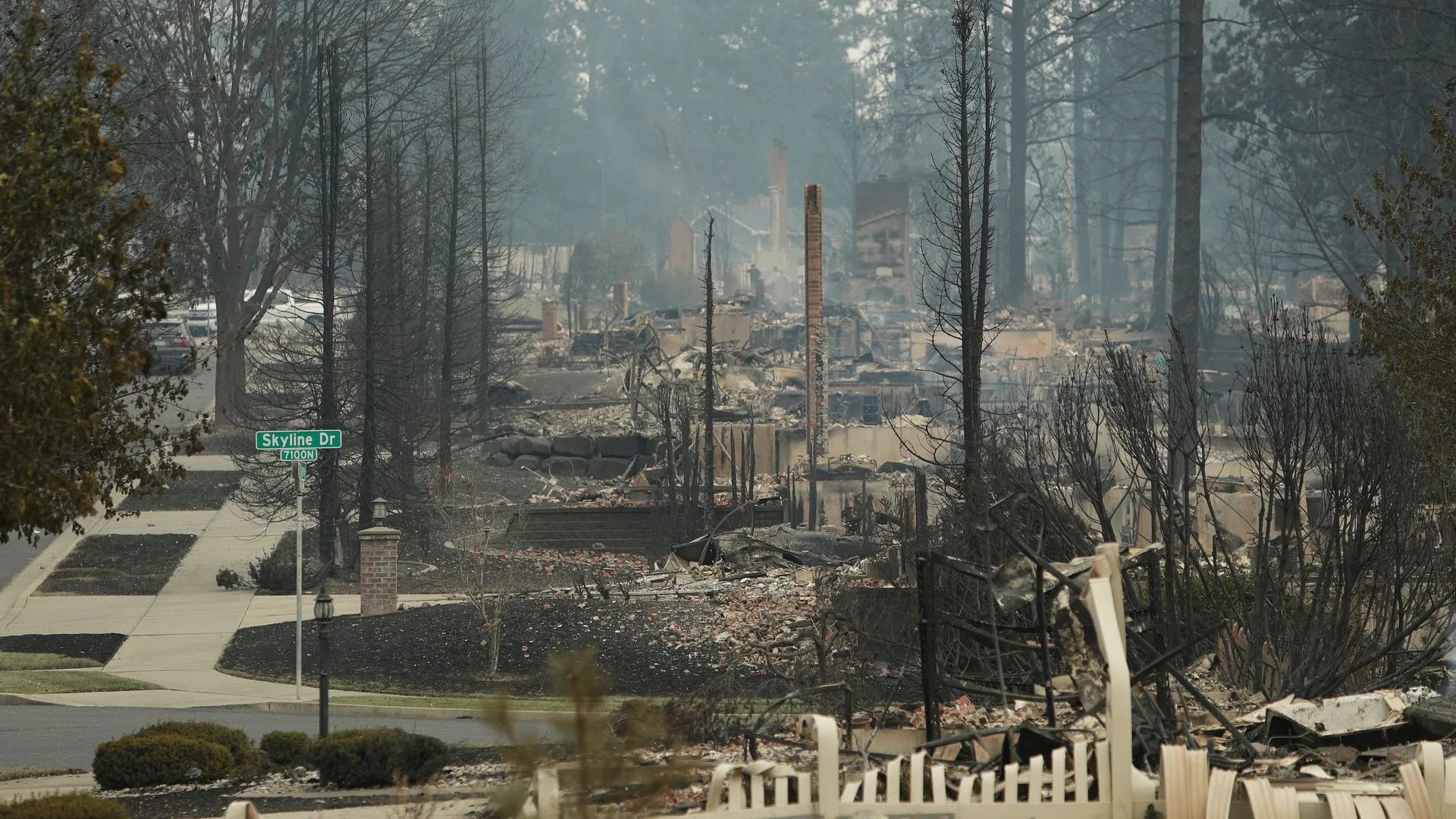
Rapidly spreading wildfires in eastern Washington have forced thousands of residents from their homes and destroyed scores of structures as crews work to contain multiple large blazes. Initial reports describe more than 5,000 homes under evacuation orders and roughly 600 structures—homes, businesses and outbuildings—destroyed in and around the Spokane region as a complex of fires continues to burn. State and federal officials have mobilized resources and declared emergency assistance as forecasts keep heat and dry conditions in place.
What happened
Firefighters are confronting a group of fast-moving, wind-driven fires across eastern Washington. According to field reports and early coverage, the largest incident is a complex of fires that combined and remains uncontained, with steep terrain, gusty winds and dry fuels driving rapid spread and making direct firefighting difficult. Local authorities have issued evacuation orders for thousands of homes and are prioritizing life safety and structure protection while aviation and ground crews work to slow the fires’ growth.
Response and resources
Washington’s governor declared a state of emergency to free additional state resources for firefighting and recovery. Federal assistance has also been approved to support response in affected counties. Multiple interagency teams and crews from neighboring states and federal partners have been assigned to the incident, and mutual aid systems are in use to bring engines, hand crews, aircraft and incident management teams to the hardest-hit areas.
Key national and regional response resources and information portals include the Washington State Emergency Management Division (mil.wa.gov/what-we-do/emergency-management), FEMA’s disaster assistance and incident updates (fema.gov), and the National Interagency Fire Center for coordinated federal wildfire information (nifc.gov).
Human impact
Officials say there have been no confirmed fatalities reported in initial updates, but hundreds of families face significant loss as structures burned. Evacuation centers and local relief organizations are assisting displaced residents with shelter, food and information. Residents in the evacuation zones are being urged to follow local emergency notifications, secure important documents and follow guidance from first responders about re-entry and recovery.
Fire behavior and hazards
Fire activity has been exacerbated by:
- Gusty winds that push flames and embers ahead of fire fronts.
- Very dry fuels and low humidity that increase flammability.
- Steep and inaccessible terrain that limits safe suppression efforts and slows firefighter access.
National Weather Service offices and local forecast centers have issued red flag warnings where wind, heat and low humidity combine to create high fire danger. For current fire-weather products and red-flag information, see the NWS fire weather page: weather.gov/fire.
Public health and air quality
Wildfire smoke can produce hazardous air quality locally and downwind. Health agencies recommend that people with respiratory or cardiovascular conditions, older adults, and young children limit outdoor activity while smoke persists. For guidance on air quality and smoke, see the EPA’s wildfire smoke information: epa.gov/wildfire-smoke-course.
Context and analysis
Large, fast-moving wildfire complexes are becoming more common in the western U.S. due to a combination of longer dry seasons, higher temperatures, and episodic wind events that promote rapid fire spread. Agencies including NOAA and climate science assessments note that a warming climate is lengthening fire seasons and changing fuel moisture dynamics in many regions (climate.gov, ipcc.ch).
At the operational level, wildfire response has been strained in recent years by overlapping major incidents, limited availability of specialized resources (air tankers, large hand crews and incident management teams), and growing complexity of protecting communities in wildland-urban interface zones. Analysts point out that sustained investments in prevention—such as targeted prescribed burns, defensible-space programs, vegetation management, and community preparedness—can reduce the scale of losses over time, but such programs require coordination and funding at federal, state and local levels.
What to watch next
- Containment progress and official incident updates from the state and local fire incident pages (check InciWeb for incident-specific pages: inciweb.nwcg.gov).
- Weather forecasts for wind shifts, humidity recovery or additional heat that could either worsen or help moderate fire behavior—see the National Weather Service local forecasts and fire-weather outlooks: weather.gov.
- Announcements from Washington state leadership and FEMA regarding additional assistance and recovery measures: fema.gov and governor.wa.gov.
How residents can prepare and stay informed
- Follow official evacuation orders and emergency alerts from county sheriff’s offices and local emergency management—do not return to evacuated areas until authorities say it is safe.
- Prepare an emergency kit containing medications, important documents, water, masks for smoke, and basic supplies; have multiple ways to receive alerts (phone, radio, NOAA weather radio).
- Use N95 or equivalent masks when smoke levels are high and indoor air filtration is not available; keep windows and doors closed and use HVAC recirculation if possible.
- Document damage for insurance and assistance purposes—if safe, photograph destroyed or damaged structures and keep records of communications with authorities.
Sources and further reading
- Associated Press reporting and local wire coverage on the Washington wildfires: apnews.com.
- National Interagency Fire Center (national wildfire coordination and statistics): nifc.gov.
- InciWeb—Interagency Incident Information System for active incident pages and updates: inciweb.nwcg.gov.
- Federal Emergency Management Agency resources on wildfire response and assistance: fema.gov.
- National Weather Service fire-weather products and red flag warnings: weather.gov/fire.
- U.S. EPA guidance on wildfire smoke and health: epa.gov/wildfire-smoke-course.
- NOAA Climate and research context on trends in wildfire seasonality and climate links: climate.gov and the IPCC: ipcc.ch.
If you are in or near the affected area, follow local emergency management and law enforcement channels for the latest evacuation and safety information.