




Overview
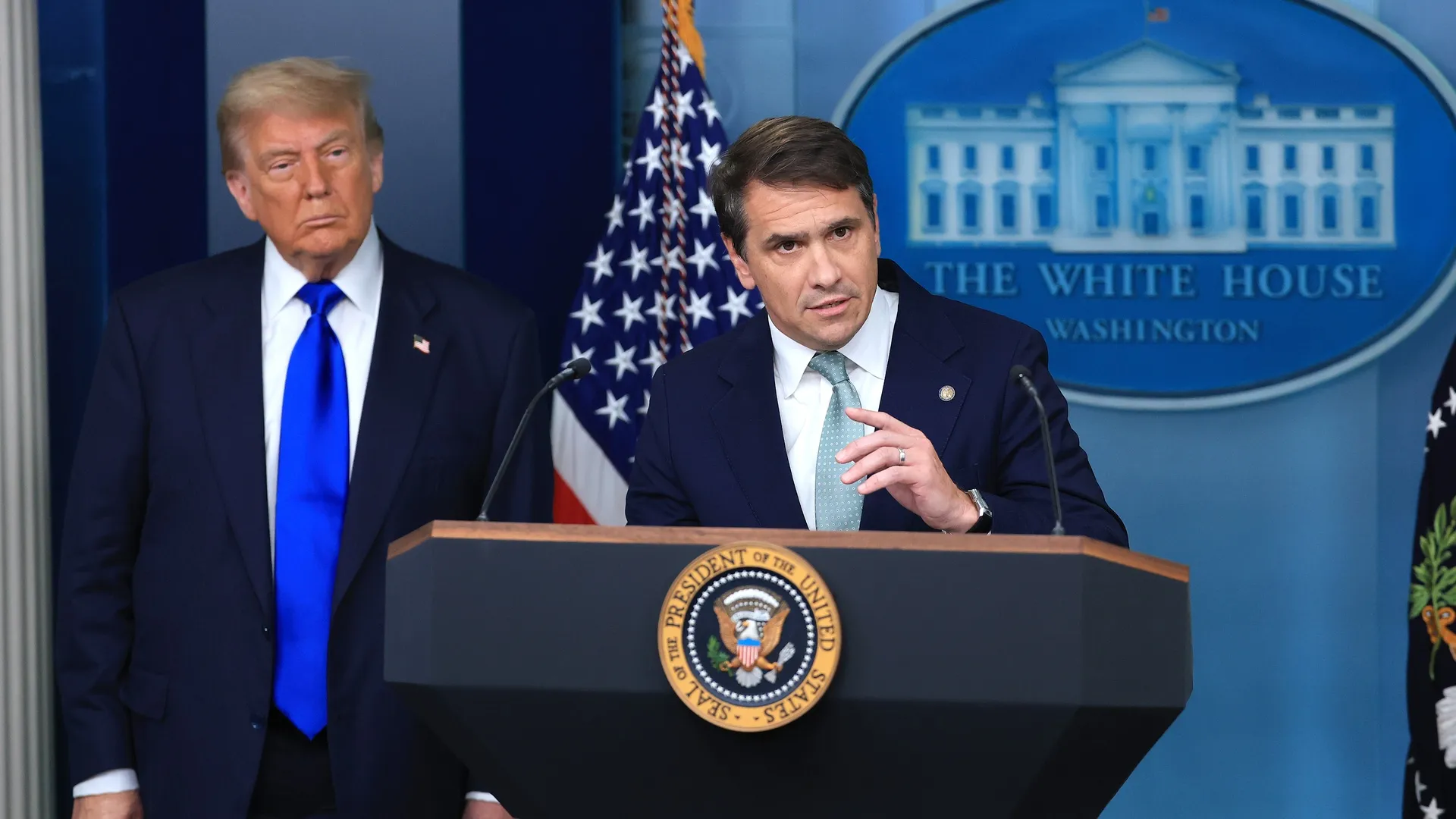
President Donald Trump has warned he may withdraw the nomination of Deputy Attorney General Todd Blanche for confirmation as attorney general rather than accede to demands from Republican Sens. John Cornyn (Texas) and Thom Tillis (North Carolina), according to reporting from Reuters and coverage in other outlets. The standoff follows objections from the senators over provisions in a proposed Justice Department settlement connected to a tax-related lawsuit. If the nomination is withdrawn, Blanche would continue to lead the Justice Department in an acting capacity, having already served as deputy attorney general and moved into the top role after the firing of the prior attorney general.
What prompted the dispute
Senators Cornyn and Tillis have pressed the administration to put certain commitments in writing before they will advance Blanche’s nomination. Their requests reportedly include a formal removal of a proposed $1.776 billion Anti-Weaponization Fund and narrowing of language related to tax protections. The senators have said Blanche helped negotiate to resolve the controversy but did not ultimately have authority to finalize the agreement — creating a political and procedural snag for the nomination process. Reporting on this matter appeared in major outlets; see reporting by Reuters for original coverage (Reuters).
Trump’s response and posture
President Trump publicly defended Blanche, characterizing him as a strong nominee and criticizing the two senators on social platforms. At the same time, the president indicated he would prefer to leave Blanche in an acting role than accept written concessions demanded by Cornyn and Tillis, and suggested he might temporarily withdraw the nomination and resubmit it after the senators leave office next year. Coverage of the president’s statements and reactions can be found at Truth Social and in mainstream reporting such as The Washington Post.
Legal and procedural implications
If the White House withdraws the nomination, Blanche would not necessarily lose operational control of the Justice Department. Federal succession norms and the department’s internal lines of succession place the deputy attorney general as the first in line to serve as acting attorney general, allowing Blanche to continue running the department while the administration considers its next steps. That arrangement raises questions about the political and governance implications of confirming versus leaving senior officials in acting roles, including limitations on Senate oversight and potential public-confidence concerns.
Political dynamics and consequences
The dispute highlights several political tensions: (1) the leverage Senate Republicans can exert even over nominees from their own party when specific policy details are at stake; (2) the administration’s calculus about whether to make binding commitments in writing that could limit future options; and (3) the optics of keeping a high-ranking official in an acting status rather than securing Senate confirmation. For the president, the choice to withdraw and refile a nomination after anticipated personnel changes in the Senate is a tactical move that shifts the timeline but may not resolve deeper disagreements over the underlying settlement provisions.
Why written commitments matter
Written guarantees matter to senators because they provide enforceable records of administration commitments. Without written language, skeptics worry that previously negotiated provisions could be revived or reinterpreted later. For those concerned about the specific settlement language — especially provisions tied to large funds or tax protections — a simple assurance in testimony or statements may not offer the lasting protection that a written and legally enforceable change would provide.
What to watch next
- Whether the White House formally withdraws Blanche’s nomination and, if so, the exact timing of any resubmission.
- Whether Cornyn and Tillis (or other senators) secure written changes to the settlement language, and what those changes look like.
- How the Justice Department handles operational continuity while Blanche continues in an acting capacity if the nomination is withdrawn.
- Broader Republican caucus reactions: if more senators raise concerns, the administration’s options may narrow.
Context and analysis
This episode is emblematic of a broader pattern in recent years: contentious confirmation fights that hinge as much on policy details and political signaling as on qualifications. Leaving senior officials to serve in acting roles can allow an administration to maintain continuity while avoiding politically costly confirmation battles — but it also can reduce transparency and deny the Senate its constitutional advice-and-consent role. For lawmakers who face pressure from constituents or interest groups, demanding written commitments is a tangible way to hold the executive branch accountable for specific policy outcomes.
Sources
Primary reporting informing this article included coverage from Reuters (https://www.reuters.com) and reporting and images aggregated by The Washington Post (https://www.washingtonpost.com). Public statements by President Trump were distributed via Truth Social (https://truthsocial.com), and official Senate communications are available from Senator John Cornyn (https://www.cornyn.senate.gov) and Senator Thom Tillis (https://www.tillis.senate.gov).
Note: This article synthesizes the reporting provided in the supplied RSS excerpt and publicly available statements and outlet coverage to summarize developments and provide context. For the primary, contemporaneous news account, see Reuters’ reporting on the Blanche nomination dispute.