

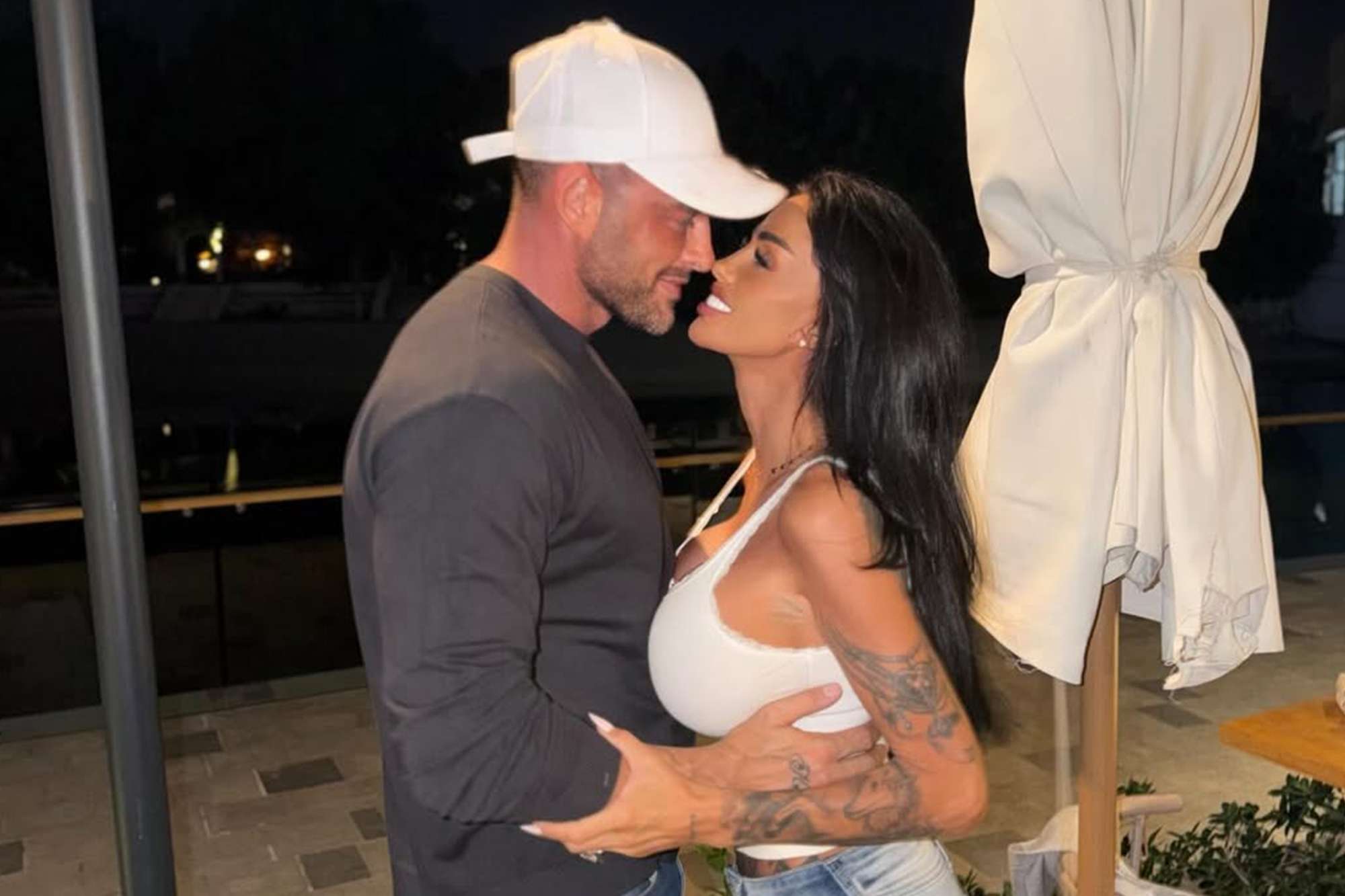
British media personality Katie Price says the search for her missing husband, Lee Andrews, is “real” and not a publicity stunt, as concern grows around his reported disappearance near the Dubai-Oman border.
Why this belongs in Pop Culture
The story centers on a high-profile celebrity figure, public reaction, social-media messaging, and entertainment-media coverage. While the circumstances involve an alleged disappearance, the news value here is being driven primarily by Price’s celebrity status and the entertainment press ecosystem following her updates.
What happened
According to Price’s public statements, she has not heard from Andrews for several days and claims his last contact was a troubling FaceTime call in which he appeared in the back of a van with a hood over his head and restraints on his hands. She says the matter has been reported to authorities, including the British Embassy, and has publicly rejected online claims that the situation is staged for attention.
Entertainment outlets have amplified the story because of Price’s longstanding public profile in British tabloid and reality-TV culture. Her repeated appeals through YouTube and Instagram have also turned the case into a social-media-driven celebrity news story, with fans and critics debating the credibility of the claims in real time.
The bigger picture in entertainment news
This story fits into a broader trend in pop culture coverage: celebrities increasingly break major personal news directly to followers rather than through formal press statements. That shift gives stars more control over the narrative, but it also blurs the line between private crisis, brand management, and public spectacle. In Price’s case, the intense reaction reflects both her fame and the skepticism that often surrounds reality-TV personalities whose personal lives have long unfolded in public.
Another reason the story resonates is that celebrity culture now runs on platform immediacy. A YouTube video, an Instagram clip, or a screenshot of text messages can instantly become headline material across entertainment sites. That speed often outpaces independent verification, which is why audiences should distinguish between what has been publicly alleged and what authorities have officially confirmed.
Latest Pop Culture context
Across entertainment media, one of the clearest recent trends is the growing overlap between celebrity identity, direct-to-fan publishing, and platform-driven news cycles. Outlets such as Entertainment Weekly, Variety, and The Hollywood Reporter continue to track how stars use personal channels to shape narratives before traditional media can fully report them. At the same time, social platforms remain central to celebrity storytelling, as seen across updates from creators and public figures on Instagram and YouTube.
The Price-Andrews case reflects that environment perfectly: a celebrity crisis is no longer covered only by tabloids or TV segments. It unfolds live across creator platforms, fan communities, and entertainment outlets, where emotion, speculation, and reporting all compete for attention.
Analysis
For now, the most important distinction is between verified facts and celebrity-issued updates. Price’s statements have made the case highly visible, but official confirmation from authorities remains critical. Until more is independently established, the story stands as both a serious personal claim and a revealing example of how modern celebrity news works: instantly public, heavily debated, and shaped as much by audience reaction as by reporting itself.
Sources:
Entertainment Weekly
Variety
The Hollywood Reporter
Instagram
YouTube