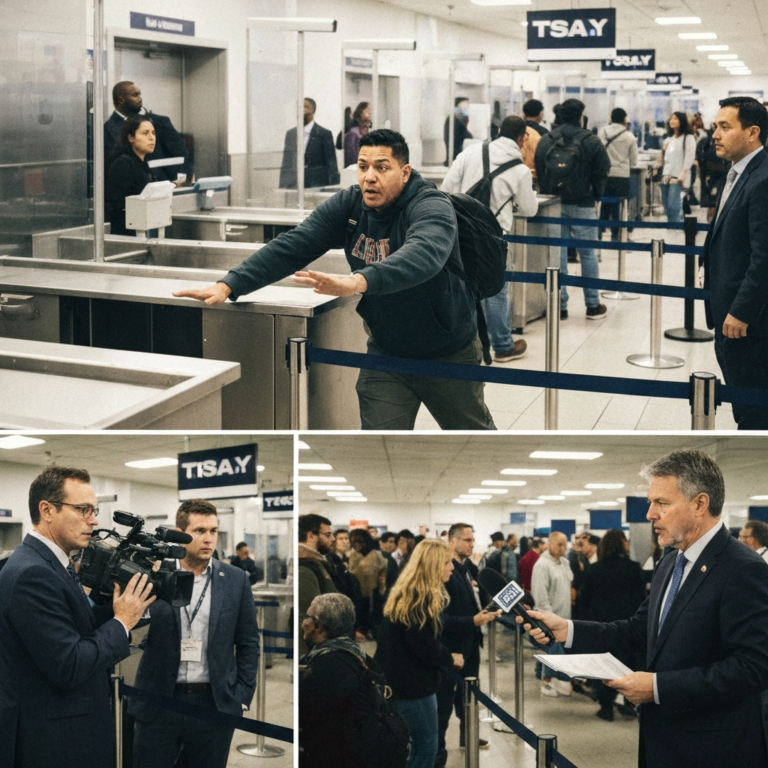



Nintendo’s lawsuit against the Trump administration is best categorized as Politics because the core of the story centers on presidential tariff policy, executive authority, federal agencies, and a legal challenge to government action.
Why this fits Politics
While Nintendo is a gaming company and the case has clear business implications, the central issue is political: whether President Donald Trump lawfully used emergency powers to impose sweeping tariffs. The lawsuit directly challenges federal policy decisions and names multiple government departments and officials. That makes Politics the strongest category choice.
Nintendo challenges tariff powers in court
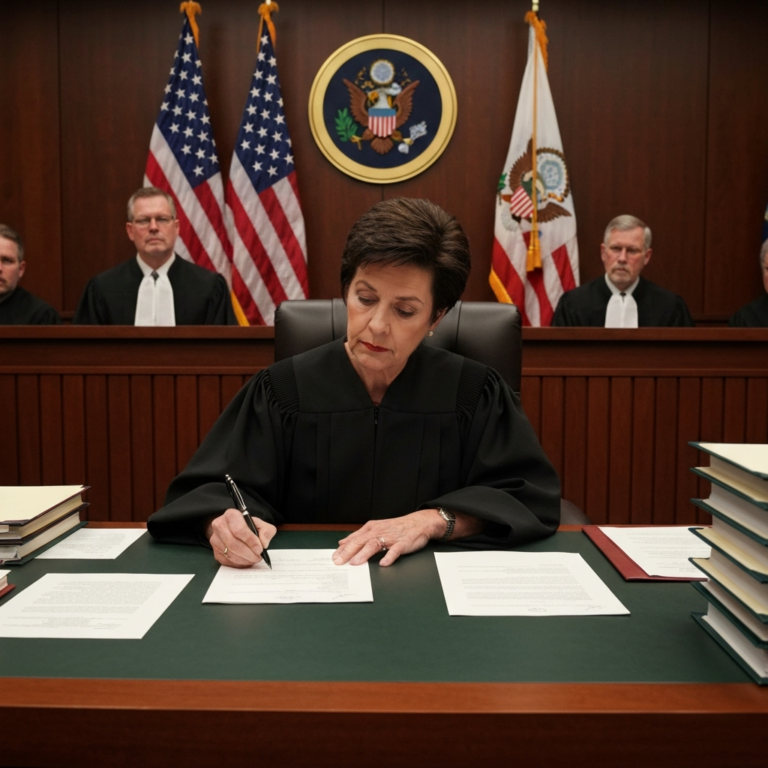
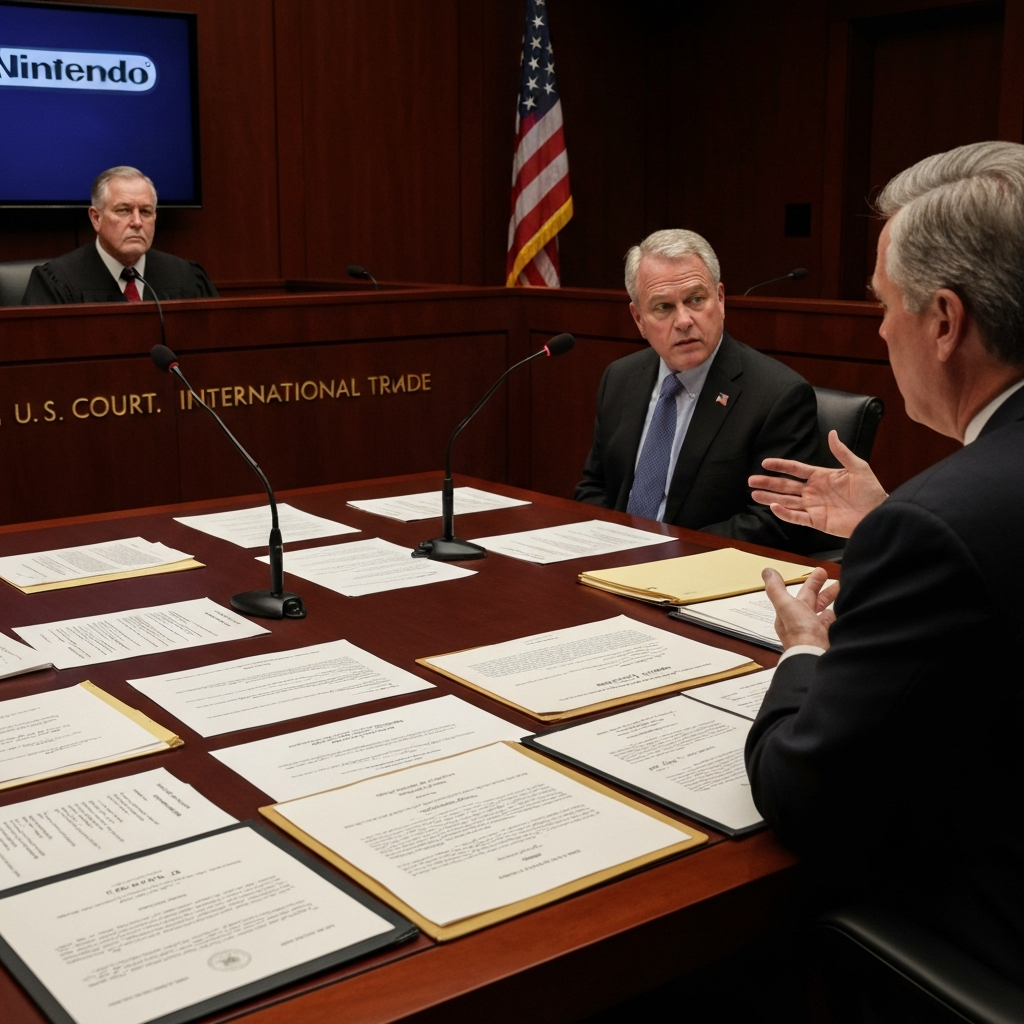
Nintendo has filed suit in the U.S. Court of International Trade, arguing that tariffs imposed under the International Economic Emergency Powers Act were unlawful and seeking refunds with interest on duties already paid. The company’s complaint adds to a growing wave of legal and political resistance to broad tariff actions that have affected importers across industries.
According to the feed item from Entertainment Weekly, Nintendo argues that the administration’s use of the IEEPA did not lawfully justify the scope of tariffs imposed on imports from multiple countries. The complaint reportedly seeks judicial relief and reimbursement of tariff payments made since February. Source: Entertainment Weekly.
The bigger political story: tariff power and executive authority
The broader political significance of the lawsuit is not just about one company’s balance sheet. It raises a deeper question that has increasingly shaped Washington battles in recent years: how far a president can go in using emergency authorities to reshape trade policy without Congress.
Tariffs have become one of the most visible tools in modern economic nationalism. Supporters argue they can protect domestic industries, pressure foreign governments, and reduce reliance on overseas manufacturing. Critics counter that they function as taxes on importers, raise costs for businesses and consumers, and create legal uncertainty for companies planning investments.
Nintendo’s case lands in the middle of that debate. Because the company relies on global manufacturing and supply chains, import duties can have an outsized effect on product pricing, hardware margins, and release strategy. But the legal claim itself is political in nature: whether the executive branch exceeded its statutory authority.
Courts are becoming a central battleground
The article also points to a wider trend: states, companies, and trade groups are increasingly turning to the courts to contest executive trade actions. That reflects a political reality in which many of the biggest policy fights no longer stop at legislation or campaign rhetoric. They move quickly into litigation.
Trade and tariff litigation has become especially consequential because it can affect industries far beyond traditional manufacturing. Gaming, film, consumer electronics, retail, and logistics all feel the effects of import policy. When a company like Nintendo sues, it underscores how tariff decisions are not abstract geopolitical tools; they ripple into entertainment, technology, and consumer markets.
Why this matters beyond Nintendo
For consumers, the practical issue is simple: tariffs can contribute to higher prices on imported goods. For businesses, the concern is strategic instability. Companies making long-term decisions about sourcing, manufacturing, and inventory need predictable policy. Rapid tariff shifts can disrupt all three.
For politics, however, the stakes are even larger. Cases like this test the limits of presidential authority and may help define how much unilateral power future administrations can claim in trade disputes. If courts narrow the use of emergency powers, presidents could face greater constraints. If the administration prevails, the executive branch may emerge with even broader leverage over global commerce.
Analysis
Nintendo’s lawsuit is a reminder that trade policy is no longer confined to economists and diplomats. It now sits at the crossroads of consumer life, corporate planning, and constitutional power. A dispute that begins with tariffs on imported goods can quickly become a referendum on how modern presidents govern.
That is why Politics is the right category here. The headline may feature Nintendo, but the underlying story is about government power, legal accountability, and the political consequences of aggressive trade policy.