


The appropriate category for this RSS item is Pop Culture, since it is an Entertainment Weekly television recap focused on AMC’s Dark Winds, its characters, performances, and unfolding plotlines.
Latest Pop Culture News: The 2026 Oscars Put Independent Storytelling Back at the Center
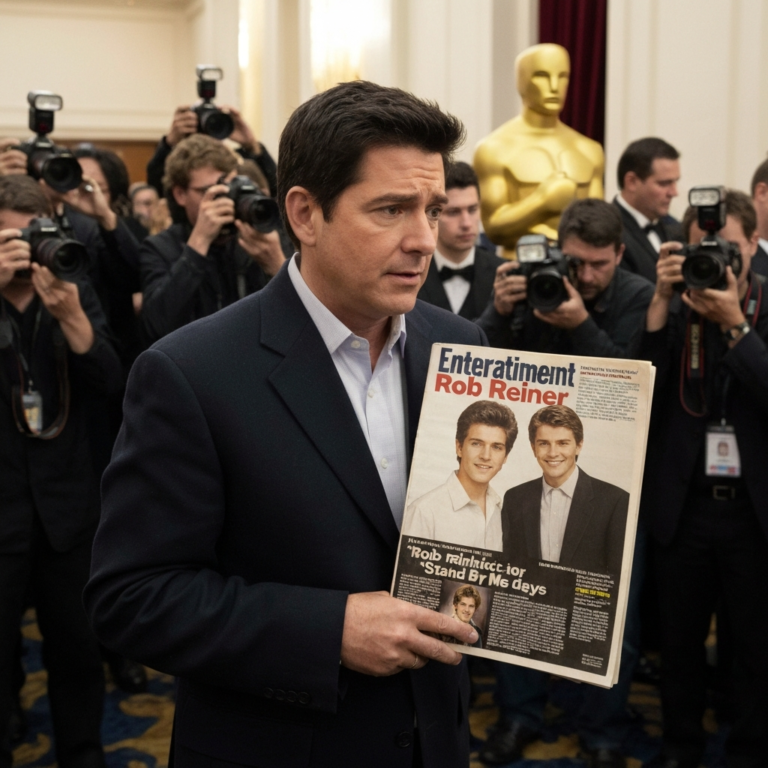
One of the biggest current stories in pop culture is the continuing fallout and analysis from the 98th Academy Awards, where this year’s ceremony underscored a major shift in the entertainment landscape: smaller, filmmaker-driven projects and globally resonant stories are commanding the same cultural attention once reserved mainly for franchise spectacles. Industry coverage in the days following the ceremony has focused on how awards momentum, audience behavior, and streaming economics are reshaping what gets made and what gets celebrated.
According to the Academy of Motion Picture Arts and Sciences, this year’s ceremony highlighted a broad range of films and performances, reinforcing how international talent and original storytelling continue to play a larger role in the awards conversation. Coverage from outlets such as Reuters, The Associated Press, and Variety has emphasized that the post-Oscars discussion is no longer just about who won. It is also about what the winners reveal regarding the future of Hollywood.
Why the story matters
The larger takeaway from this year’s awards cycle is that prestige and popularity are no longer as sharply divided as they once were. Films with distinctive directorial voices, unconventional structures, or international production roots are finding broader audiences through a mix of theatrical buzz, social media visibility, and streaming discovery. Analysts across entertainment trades have pointed out that studios and streamers alike are now under pressure to prove they can still create cultural “events” without relying entirely on sequels and superhero IP.
That makes the Oscars a useful snapshot of where pop culture is headed. Recognition from the Academy can still drive renewed box office interest, premium video-on-demand sales, and streaming viewership. But perhaps more importantly, it influences what executives greenlight next. When original and artist-led films break through, they can shift the balance of power in an industry often accused of being too risk-averse.
A changing industry behind the headlines
The post-ceremony reporting also fits into a broader entertainment-industry recalibration. After years of streaming-first expansion, many media companies have become more selective about spending, focusing on profitability rather than subscriber growth at any cost. As reported in ongoing industry coverage from The Hollywood Reporter and Deadline, that environment has made awards recognition more valuable, not less. Prestige can help a film stand out in a crowded market and extend its lifespan well beyond opening weekend.
The global nature of the conversation matters too. In recent years, audiences have become more comfortable with subtitles, cross-border fandoms, and international stars moving fluidly between local cinema and Hollywood. That trend has been reinforced by digital distribution and recommendation algorithms, but it is also cultural: viewers increasingly want stories that feel fresh, specific, and reflective of a wider world.
What it means for audiences
For audiences, the latest pop culture moment is a reminder that awards season still serves as a discovery engine. Many viewers use the Oscars as a watchlist guide, catching up on acclaimed films after the ceremony. That means “winning” in modern pop culture extends beyond trophies. It includes long-tail visibility, meme-ability, streaming performance, and the ability to remain part of the cultural conversation days or even months later.
At the same time, the reaction to this year’s winners shows that fans increasingly engage with entertainment as both art and industry. Social platforms light up not only with opinions about performances and speeches, but with debates about distribution, campaigning, representation, and the economics of filmmaking. Pop culture is no longer consumed passively; it is discussed as a real-time ecosystem.
The bigger picture
The strongest insight from the latest entertainment news is that pop culture is becoming more plural, not less. Big-budget franchises still matter enormously, but they are sharing space with niche hits, international breakouts, prestige television, and critically embraced films that can build momentum through word of mouth rather than brand familiarity alone.
That helps explain why a series like Dark Winds can command substantial attention through recap culture and fan discussion, while the broader entertainment industry simultaneously looks to awards season for clues about what stories resonate now. In both cases, the lesson is similar: audiences still respond to specificity, strong character work, and storytelling that feels personal rather than manufactured.
As the entertainment business moves deeper into 2026, expect this tension to remain central. Studios want scale, platforms want retention, creators want freedom, and audiences want something worth talking about. The latest Oscars conversation suggests the projects best positioned to succeed may be the ones that can deliver all four.